
Custom Manufacturing, Project Outsourcing, your Trusted Partner from China
The breathtaking visual fidelity of modern OLED displays is a testament to decades of scientific innovation in organic electronics. At the core of this technology lies a sophisticated understanding of molecular design and material properties, where specific chemical compounds play indispensable roles. (4-Bromophenyl)diphenylphosphine Oxide (CAS: 5525-40-6) is one such compound, a vital intermediate whose unique chemical structure underpins the performance and longevity of many OLED devices. For scientists and engineers in the field, understanding its scientific contributions is key to further innovation.
The functional core of an OLED device relies on a stack of thin organic layers, each meticulously designed to manage the flow of electrons and holes, and ultimately, to emit light. (4-Bromophenyl)diphenylphosphine Oxide contributes significantly to this architecture. Its phosphine oxide moiety (-P(=O)(R)2) is inherently electron-withdrawing. This property is crucial for designing materials that can efficiently accept and transport electrons. In host materials for phosphorescent emitters, the phosphine oxide group helps to achieve a high triplet energy level. This high triplet energy is essential to confine the energy of the excited state within the emitter molecule, thereby maximizing the efficiency of light emission and preventing undesirable energy loss mechanisms. The precise energy level tuning is a cornerstone of OLED science, and this intermediate provides a powerful tool for achieving it.
Furthermore, the bromophenyl substituent on (4-Bromophenyl)diphenylphosphine Oxide is not merely decorative. The bromine atom acts as an excellent leaving group in various palladium-catalyzed cross-coupling reactions, such as Suzuki, Stille, or Buchwald-Hartwig couplings. This synthetic handle allows chemists to attach a wide array of functional groups to the molecule, enabling the systematic modification of its electronic and optical properties. This is fundamental to the rational design of new OLED materials with tailored characteristics, such as specific emission colors, improved charge mobility, or enhanced thermal stability. By enabling the synthesis of complex molecular architectures, it directly impacts the performance metrics of OLED devices, such as brightness, color purity, and efficiency. Researchers looking to buy this compound for material development are seeking this inherent synthetic flexibility.
Beyond its role in charge transport and synthesis, the phosphine oxide group itself can contribute to the overall thermal stability and morphological integrity of the organic films. OLED devices operate at elevated temperatures, and materials need to withstand these conditions without degrading or crystallizing, which can lead to device failure. The robust nature of the phosphine oxide structure helps to create amorphous films with good thermal stability, contributing to the operational lifespan of the OLED. For manufacturers, ensuring the quality and purity of this intermediate is paramount; even minor impurities can disrupt these delicate electronic processes. Therefore, sourcing from a manufacturer like us, who is committed to high purity (≥99.0%) and rigorous quality control, is essential for scientific advancement and commercial success in OLED technology.
In summary, (4-Bromophenyl)diphenylphosphine Oxide is a molecule that embodies key scientific principles crucial for OLED technology. Its electron-withdrawing capabilities, synthetic accessibility via its bromine substituent, and contribution to material stability make it an indispensable intermediate for developing efficient and durable organic electronic devices. We are proud to be a supplier of this scientifically significant compound, empowering researchers and manufacturers to create the future of display technology. If you are interested in the science behind OLEDs and wish to buy high-quality (4-Bromophenyl)diphenylphosphine Oxide, please contact our expert team.
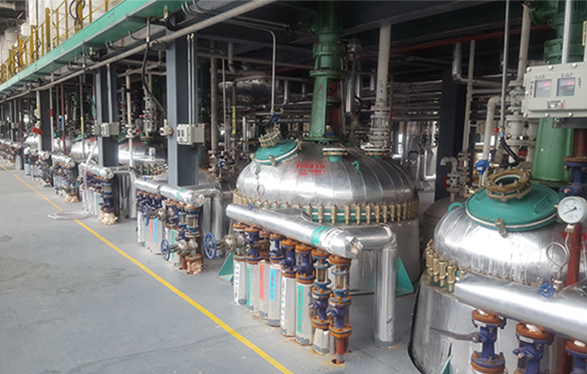
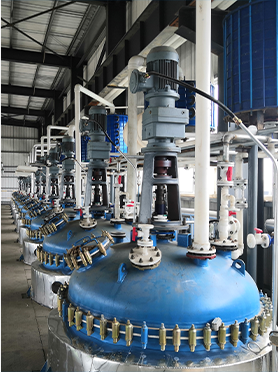
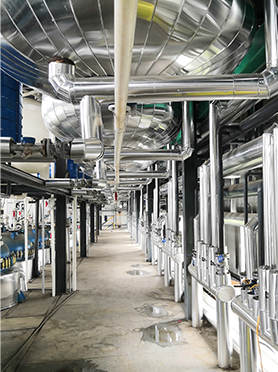
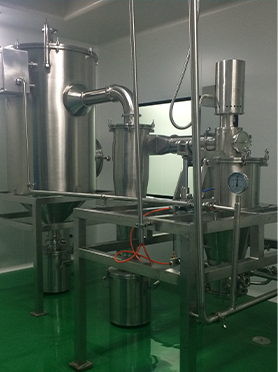
Manufacturing Facilities
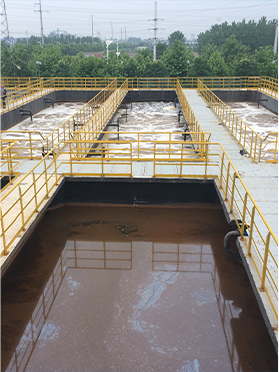
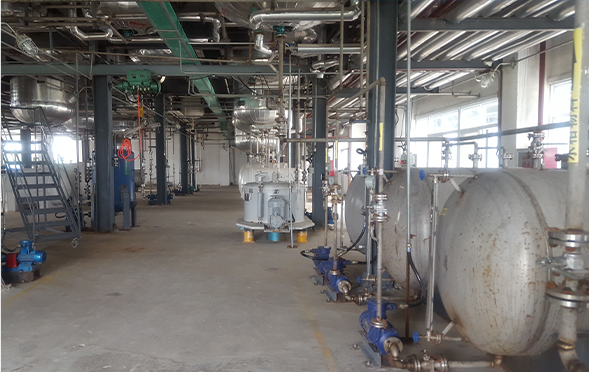
Professional Export Experience
to Global Customers
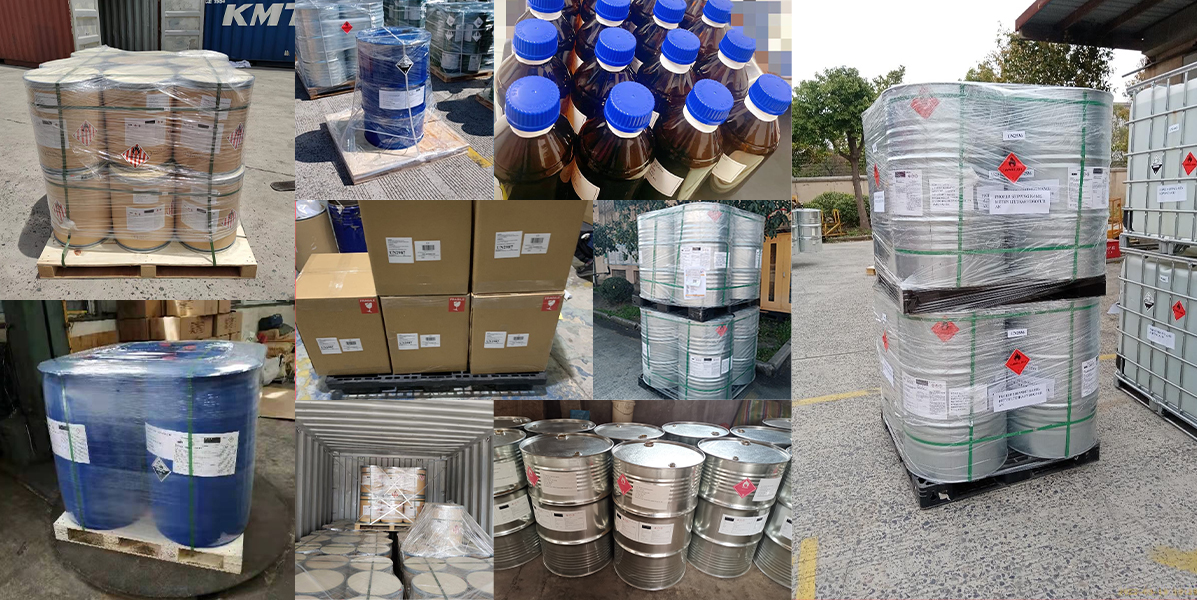
1. 20 years of R&D, manufacturing and sales experience, serving customers in 60 countries and regions around the world;
2. Own R&D laboratory, pilot platform and large-scale production workshop, which can meet the audit requirements of global customers;
3. We can satisfy customers' perfect transition from small scale lab requirements (gram level) to commercialization requirements (hundred tons level).
A: We don't have Minimum Order Quantity, exact quantity should be provided before quotation for us to calculate the exact cost.
A: We don't provide free samples due to lots of request and expensive international courier's cost, we can deduct the sample charge after commercial order placed.
A: Our payment terms: Small or sample order: T/T IN ADVANCE. Commercial order: First order should be by T/T IN ADVANCE or L/C at sight, and following orders T/T 30~90days is acceptable subject to approval of credit application.