
Custom Manufacturing, Project Outsourcing, your Trusted Partner from China
Oseltamivir, widely known by its brand name Tamiflu, has been a cornerstone in the global response to influenza outbreaks. Its effectiveness as an antiviral agent stems from its precise molecular structure and the complex synthetic pathways required for its production. Understanding the chemistry behind Oseltamivir reveals the critical role of specialized intermediates, each contributing to the successful assembly of the final drug molecule.
At the heart of Oseltamivir's synthesis lies a series of sophisticated organic reactions. One of the pivotal compounds in this process is Ethyl (3R,4S,5S)-4,5-Epoxy-3-(1-ethylpropoxy)cyclohex-1-ene-1-carboxylate (CAS 204254-96-6). This chiral molecule serves as a foundational building block, containing key functional groups and stereochemical arrangements that are essential for constructing the neuraminidase inhibitor structure of Oseltamivir.
The journey from basic chemical feedstocks to a potent antiviral drug involves meticulous chemical transformations. The synthesis of Ethyl (3R,4S,5S)-4,5-Epoxy-3-(1-ethylpropoxy)cyclohex-1-ene-1-carboxylate itself is a testament to advanced organic synthesis techniques. Once produced, it undergoes further reactions to introduce the necessary amino and acetamido functionalities, ultimately leading to the formation of Oseltamivir phosphate. The efficiency and yield of these subsequent steps are highly dependent on the purity and stereochemical integrity of the starting intermediate.
For researchers and manufacturers involved in antiviral drug development, sourcing high-quality intermediates like this one is paramount. The ability to buy a consistent and pure supply from a reliable manufacturer or supplier directly impacts research timelines and production feasibility. When looking for such compounds, specifying the exact chemical name, CAS number (204254-96-6), and desired purity (e.g., ≥98.0%) is crucial for obtaining accurate quotes and ensuring the material meets stringent pharmaceutical requirements.
The development of effective antiviral therapies is a continuous endeavor. Innovations in synthetic chemistry, including the development of efficient routes to key intermediates, play a vital role in making these medicines accessible and affordable. By understanding the science behind molecules like Ethyl (3R,4S,5S)-4,5-Epoxy-3-(1-ethylpropoxy)cyclohex-1-ene-1-carboxylate, the pharmaceutical sector can continue to advance its capabilities in combating infectious diseases. Exploring options from reputable manufacturers who offer competitive prices and reliable service is a strategic step for any organization engaged in this field.
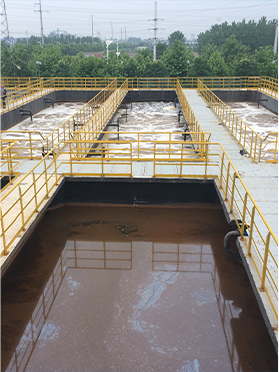
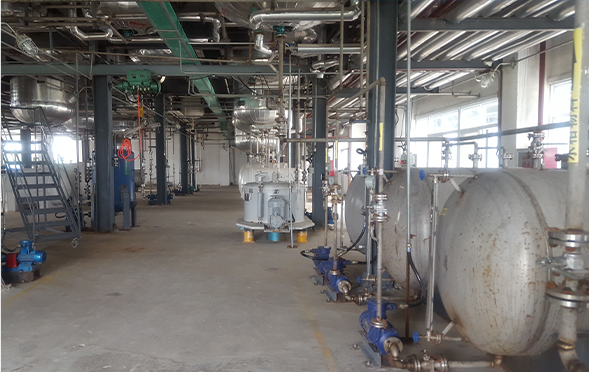
Manufacturing Facilities
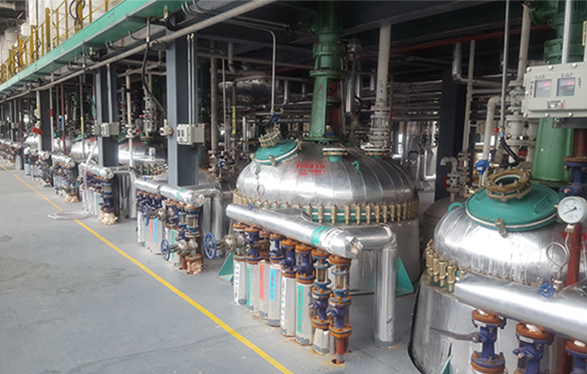
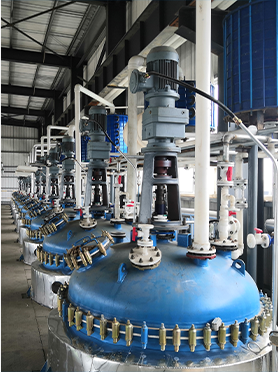
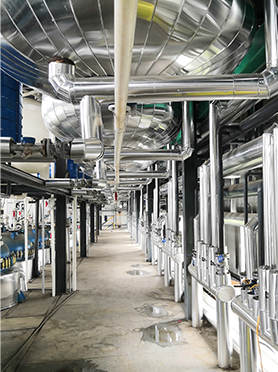
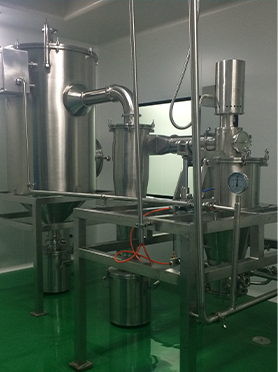
Professional Export Experience
to Global Customers
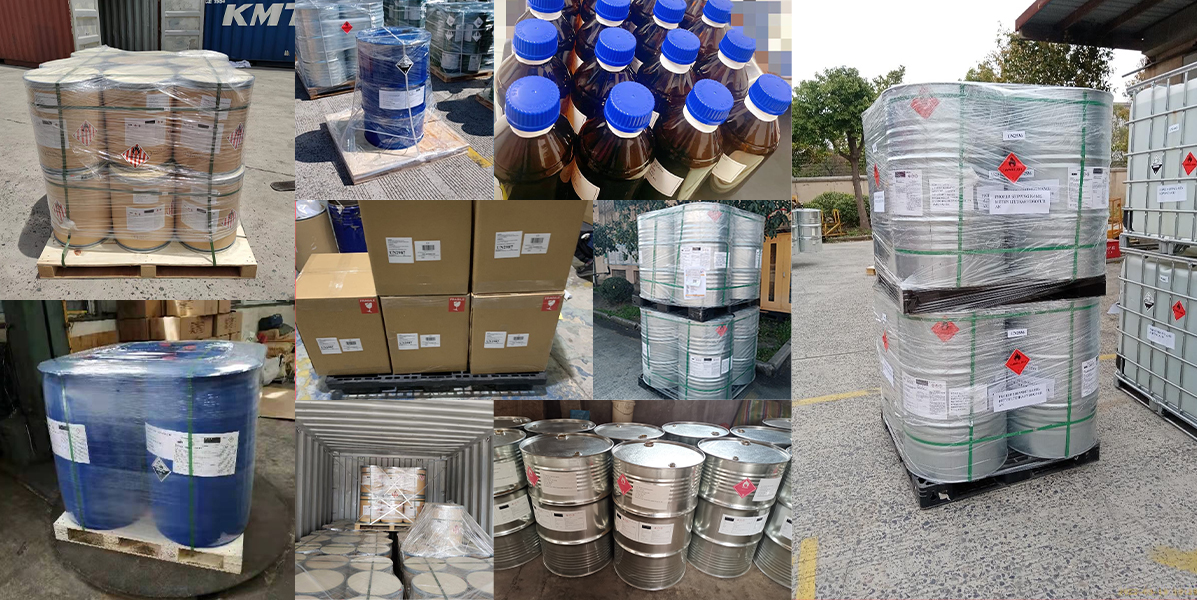
1. 20 years of R&D, manufacturing and sales experience, serving customers in 60 countries and regions around the world;
2. Own R&D laboratory, pilot platform and large-scale production workshop, which can meet the audit requirements of global customers;
3. We can satisfy customers' perfect transition from small scale lab requirements (gram level) to commercialization requirements (hundred tons level).
A: We don't have Minimum Order Quantity, exact quantity should be provided before quotation for us to calculate the exact cost.
A: We don't provide free samples due to lots of request and expensive international courier's cost, we can deduct the sample charge after commercial order placed.
A: Our payment terms: Small or sample order: T/T IN ADVANCE. Commercial order: First order should be by T/T IN ADVANCE or L/C at sight, and following orders T/T 30~90days is acceptable subject to approval of credit application.