
Custom Manufacturing, Project Outsourcing, your Trusted Partner from China
Trichloroisocyanuric Acid (TCCA) is a chlorine-based disinfectant that plays a vital role in swimming pool maintenance. When dissolved in water, TCCA releases hypochlorous acid (HOCl), the active agent responsible for killing bacteria, viruses, algae, and other harmful microorganisms. The concentration of TCCA in pool water is meticulously managed to ensure optimal disinfection without causing adverse effects. Recent studies have begun to explore not just the chemical efficacy of TCCA, but also its impact on the physical properties of water, such as its electrical conductivity.
The electrical conductivity of water is a measure of its ability to conduct electricity, which is directly related to the concentration of dissolved ions. In swimming pool water, these ions can originate from various sources, including the disinfectant itself, salts added for water balance, sweat, urine, and other contaminants introduced by swimmers. TCCA, upon dissociation in water, contributes to the ion concentration. Specifically, the breakdown of TCCA leads to the formation of chloride ions and other charged species. As the concentration of TCCA increases, it is expected that the overall ion concentration in the water will also rise, consequently increasing the water's electrical conductivity. This relationship is an important area of study for optimizing water treatment processes.
Researchers have employed sophisticated techniques like impedance spectroscopy to investigate these subtle changes. By applying an electrical signal across a range of frequencies and measuring the water's response, scientists can derive parameters like DC conductivity and relaxation times. These studies have demonstrated a clear correlation: as the concentration of TCCA increases, the DC conductivity of the pool water generally rises. This rise in conductivity can be attributed to the increased availability of charge carriers – the ions introduced by TCCA and its subsequent reactions. Understanding this effect of TCCA concentration on water conductivity allows for more precise monitoring and adjustment of disinfectant levels, ensuring both effective sanitation and efficient use of chemicals.
Furthermore, the study of electrical properties provides deeper insights into the complex dynamics of water treatment. The way ions and molecules interact within the water, influenced by the disinfectant, can be modeled using equivalent electrical circuits. These models help researchers understand phenomena like relaxation times, which indicate how quickly the water's electrical state responds to changes. For pool managers, this translates to a better understanding of how the disinfectant is behaving in the water and how to best maintain optimal conditions. It highlights the importance of using reliable pool chemicals and employing scientific methods for water analysis.
In conclusion, Trichloroisocyanuric Acid is a cornerstone of effective swimming pool sanitation. Its impact on water conductivity is a key indicator of its presence and activity. By leveraging techniques such as impedance spectroscopy, we gain a more profound understanding of how TCCA functions, enabling more informed decisions for water treatment and the overall health of swimming environments. Continuous research in this area promises even more refined methods for ensuring clean, safe, and enjoyable pool experiences for everyone.
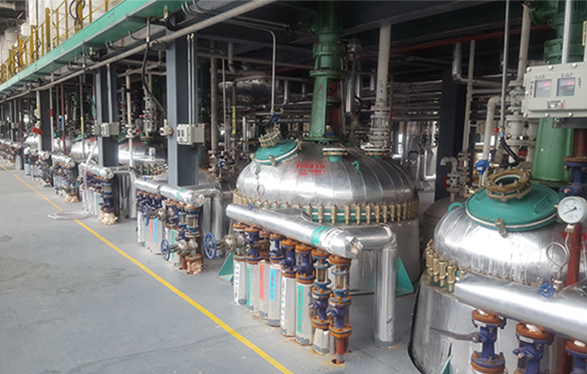
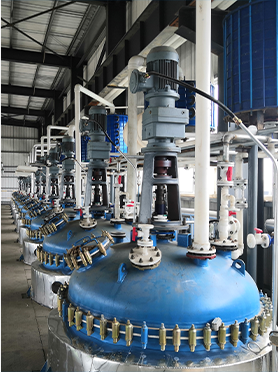
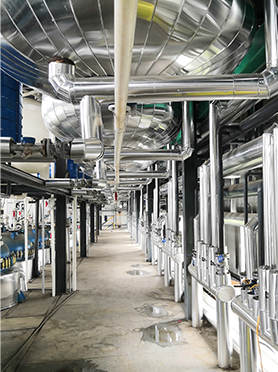
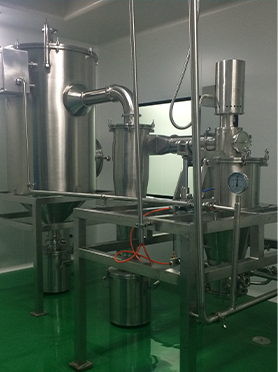
Manufacturing Facilities
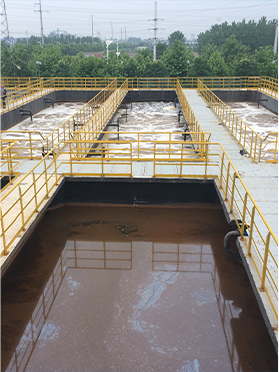
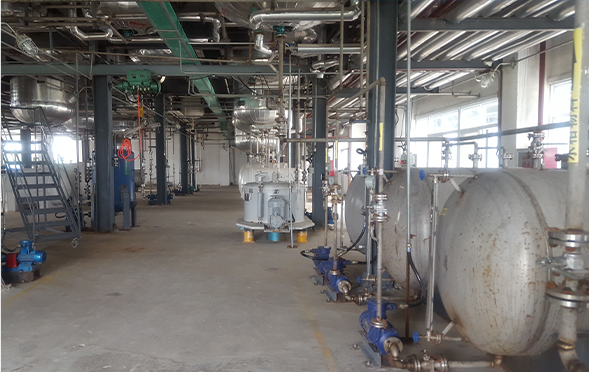
Professional Export Experience
to Global Customers
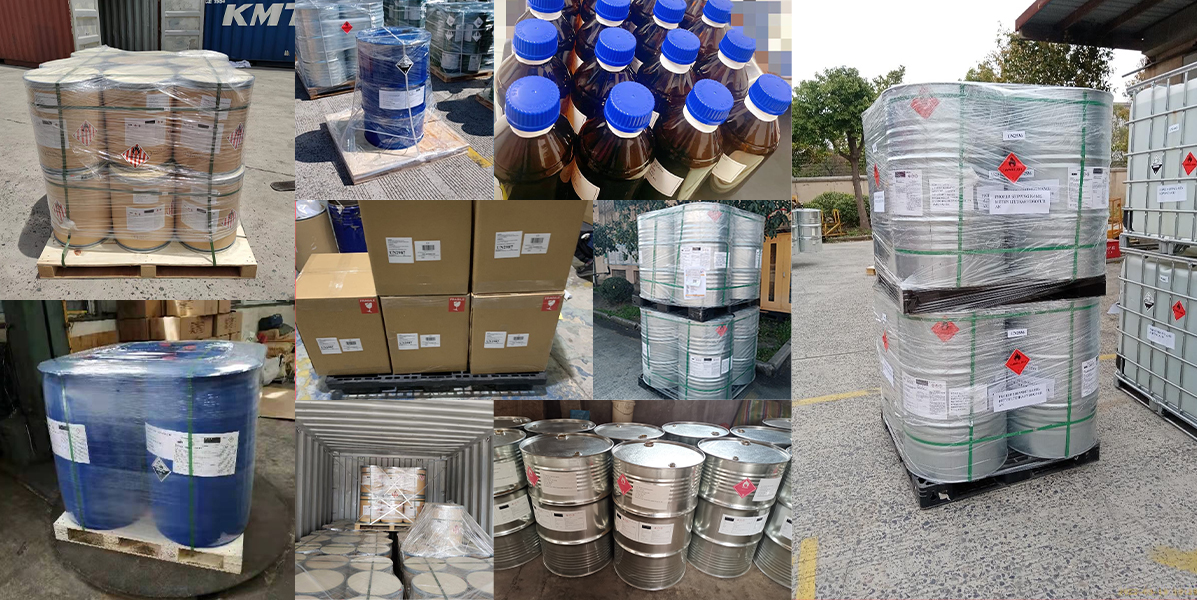
1. 20 years of R&D, manufacturing and sales experience, serving customers in 60 countries and regions around the world;
2. Own R&D laboratory, pilot platform and large-scale production workshop, which can meet the audit requirements of global customers;
3. We can satisfy customers' perfect transition from small scale lab requirements (gram level) to commercialization requirements (hundred tons level).
A: We don't have Minimum Order Quantity, exact quantity should be provided before quotation for us to calculate the exact cost.
A: We don't provide free samples due to lots of request and expensive international courier's cost, we can deduct the sample charge after commercial order placed.
A: Our payment terms: Small or sample order: T/T IN ADVANCE. Commercial order: First order should be by T/T IN ADVANCE or L/C at sight, and following orders T/T 30~90days is acceptable subject to approval of credit application.