
Custom Manufacturing, Project Outsourcing, your Trusted Partner from China
Tricresyl Phosphate (TCP) is a fascinating organophosphate compound that plays a crucial role in enhancing the performance and safety of numerous materials across various industries. Its unique chemical structure, derived from phosphoric acid and cresols, grants it a versatile set of properties that make it an indispensable additive. For researchers, formulators, and B2B buyers, a deep understanding of TCP's scientific underpinnings is essential for leveraging its full potential. This article explores the science behind TCP, detailing its properties and diverse applications.
At its molecular level, Tricresyl Phosphate exists as a mixture of isomers, primarily tris(2-methylphenyl) phosphate, tris(3-methylphenyl) phosphate, and tris(4-methylphenyl) phosphate. This isomeric nature contributes to its varied physical and chemical characteristics. Typically appearing as a colorless to light yellow, transparent liquid with an aromatic odor, TCP is characterized by its low volatility, high flash point (often above 225°C), and good thermal stability. Its chemical formula, C21H21O4P, and molecular weight of approximately 368.37 g/mol, are important identifiers for chemists and formulators. Sourcing high-quality TCP from a reputable manufacturer ensures these precise chemical identities are maintained.
One of the most significant applications of Tricresyl Phosphate stems from its excellent flame-retardant capabilities. When incorporated into polymer matrices, TCP works by releasing non-flammable gases upon heating, which dilutes combustible gases and forms a char layer that insulates the underlying material. This makes it a vital additive for PVC products, including electrical cables, flooring, and artificial leather, where fire safety is critical. Industrial buyers looking to procure flame retardant solutions often turn to trusted Tricresyl Phosphate manufacturers for effective and reliable products.
As a plasticizer, TCP enhances the flexibility, elongation, and toughness of polymers. It achieves this by reducing the intermolecular forces between polymer chains, allowing them to move more freely. This property is highly valued in the production of synthetic rubbers, adhesives, lacquers, and varnishes. In paints, TCP specifically improves film flexibility, preventing cracking and enhancing durability. For companies seeking to improve the physical properties of their materials, the value proposition of buying Tricresyl Phosphate, especially from suppliers offering competitive pricing, is substantial.
The scientific formulation of TCP also leads to desirable resistance properties, including mildew resistance, abrasion resistance, stain resistance, and weather resistance. These attributes contribute to the longevity and performance of products in demanding environments. Its compatibility with a wide range of resins, including vinyl, polystyrene, and synthetic rubber, further underscores its utility. For those in research and development or production, understanding these properties is key to selecting the optimal chemical intermediate for their specific needs. Whether you are looking to buy industrial grade TCP or require specialized formulations, consulting with knowledgeable chemical manufacturers is a crucial step towards achieving optimal product outcomes.
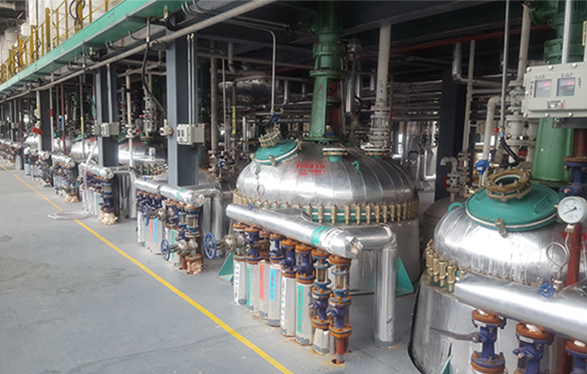
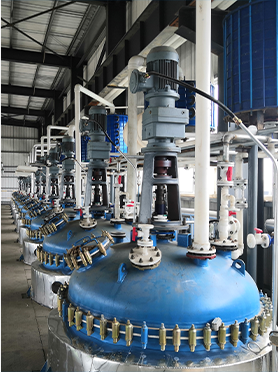
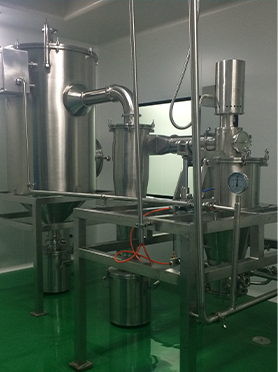
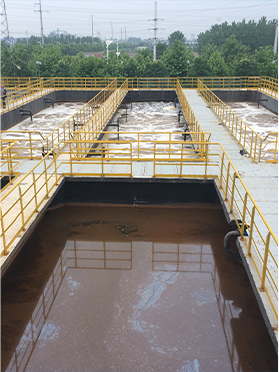
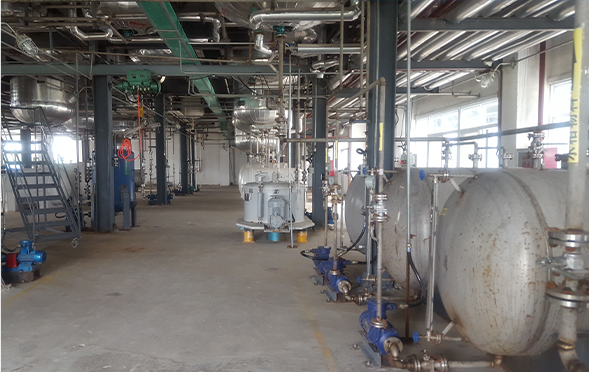
Manufacturing Facilities

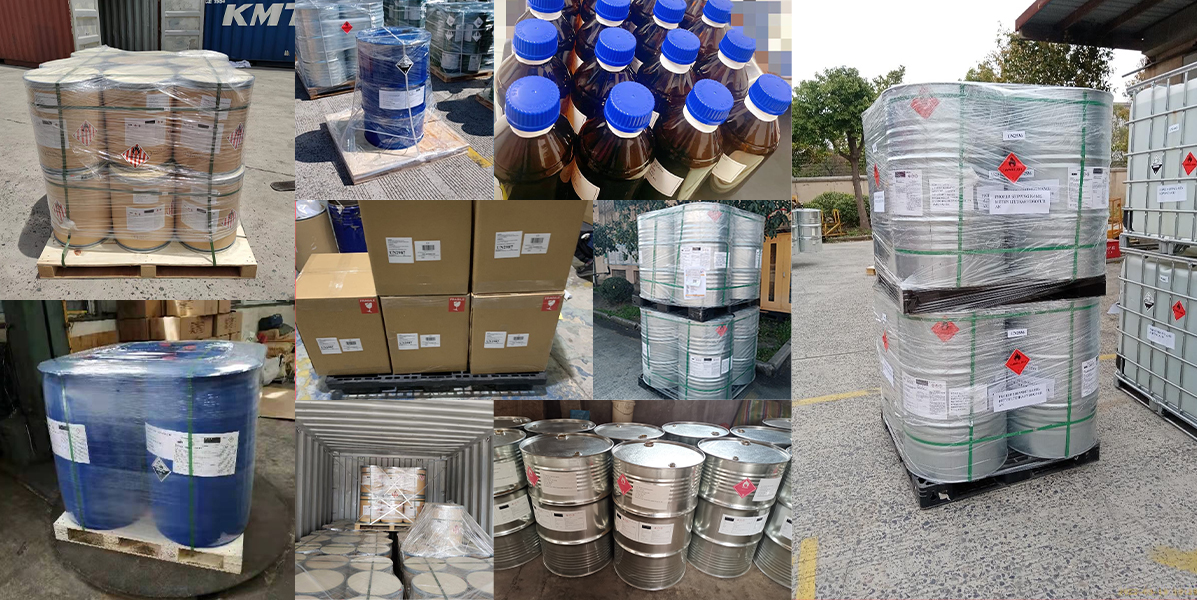
Professional Export Experience
to Global Customers
1. 20 years of R&D, manufacturing and sales experience, serving customers in 60 countries and regions around the world;
2. Own R&D laboratory, pilot platform and large-scale production workshop, which can meet the audit requirements of global customers;
3. We can satisfy customers' perfect transition from small scale lab requirements (gram level) to commercialization requirements (hundred tons level).
A: We don't have Minimum Order Quantity, exact quantity should be provided before quotation for us to calculate the exact cost.
A: We don't provide free samples due to lots of request and expensive international courier's cost, we can deduct the sample charge after commercial order placed.
A: Our payment terms: Small or sample order: T/T IN ADVANCE. Commercial order: First order should be by T/T IN ADVANCE or L/C at sight, and following orders T/T 30~90days is acceptable subject to approval of credit application.