
Custom Manufacturing, Project Outsourcing, your Trusted Partner from China
The technology of UV curing has transformed industries ranging from printing and coatings to electronics and 3D printing. Its appeal lies in its speed, energy efficiency, and reduced environmental impact. Central to this process are photoinitiators, specialized molecules that act as the catalyst for rapid polymerization. This guide explores the science behind UV curing and the indispensable role of compounds like trans-4-Morpholinocyclohexanol.
What is UV Curing?
UV curing, or ultraviolet curing, is a photochemical process where high-intensity ultraviolet light is used to instantly solidify (cure) inks, coatings, and adhesives. This process relies on formulations containing monomers and oligomers that can polymerize when exposed to UV radiation. Unlike traditional thermal curing, which can be slow and energy-intensive, UV curing offers near-instantaneous results, leading to increased production speeds and reduced energy consumption.
The Critical Role of Photoinitiators
The magic of UV curing happens thanks to photoinitiators. These molecules are the unsung heroes that absorb UV light energy and convert it into chemical energy, initiating the polymerization process. Without photoinitiators, the monomers and oligomers would not react under UV exposure.
There are primarily two types of free-radical photoinitiators:
Introducing Trans-4-Morpholinocyclohexanol (CAS 1228947-14-5)
Trans-4-Morpholinocyclohexanol (CAS 1228947-14-5) is a sophisticated photoinitiator that finds application in various UV-curable systems. Its specific chemical structure allows it to effectively absorb UV light and participate in the radical generation process. When incorporated into a formulation by R&D scientists, it helps to ensure efficient and controlled curing, contributing to the final properties of the cured material. Sourcing this compound from reputable manufacturers ensures its quality and consistent performance.
Benefits in Application
The use of high-quality photoinitiators like trans-4-Morpholinocyclohexanol can lead to:
For businesses looking to innovate and improve their product offerings, understanding the role of photoinitiators and choosing the right ones is crucial. Partnering with reliable suppliers who can provide high-purity trans-4-Morpholinocyclohexanol (CAS 1228947-14-5) is a vital step towards achieving optimal UV curing performance.
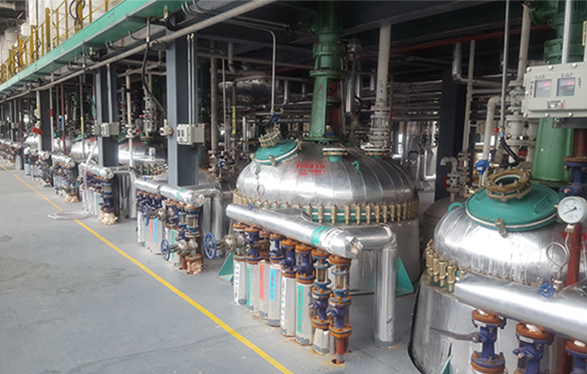
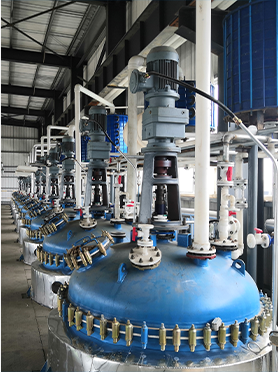
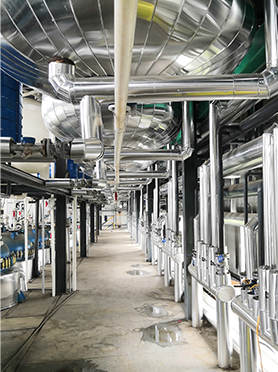
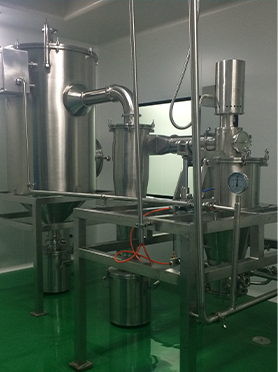
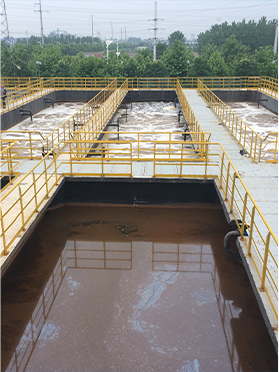
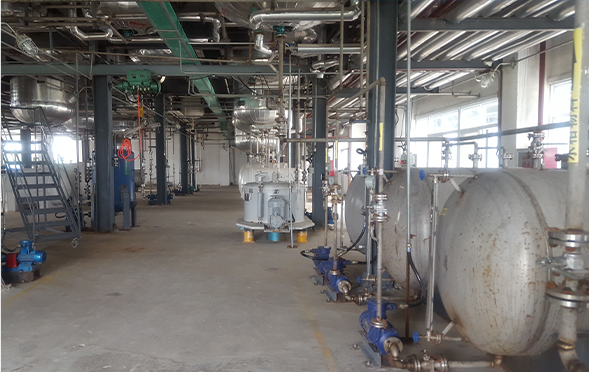
Manufacturing Facilities
Professional Export Experience
to Global Customers
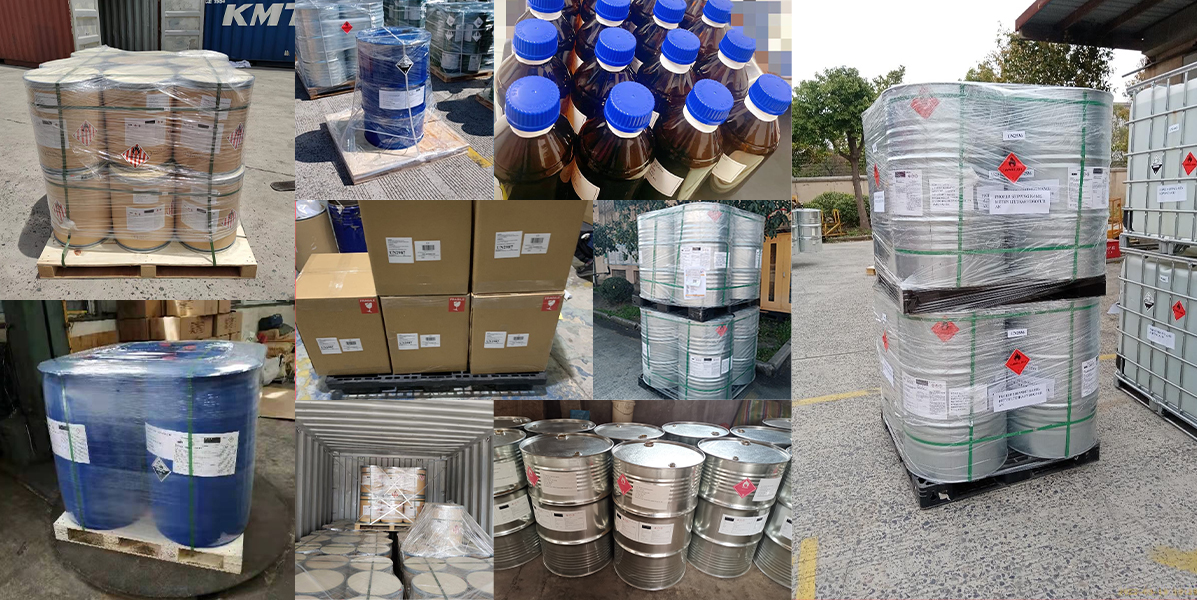
1. 20 years of R&D, manufacturing and sales experience, serving customers in 60 countries and regions around the world;
2. Own R&D laboratory, pilot platform and large-scale production workshop, which can meet the audit requirements of global customers;
3. We can satisfy customers' perfect transition from small scale lab requirements (gram level) to commercialization requirements (hundred tons level).
A: We don't have Minimum Order Quantity, exact quantity should be provided before quotation for us to calculate the exact cost.
A: We don't provide free samples due to lots of request and expensive international courier's cost, we can deduct the sample charge after commercial order placed.
A: Our payment terms: Small or sample order: T/T IN ADVANCE. Commercial order: First order should be by T/T IN ADVANCE or L/C at sight, and following orders T/T 30~90days is acceptable subject to approval of credit application.