
Custom Manufacturing, Project Outsourcing, your Trusted Partner from China
Understanding the 'how' behind the products we use is essential for effective application and informed purchasing. For professionals in material science, polymer engineering, and product development, grasping the scientific principles of UV protection is key to selecting the most effective additives. This article delves into the science behind 2,4-Dihydroxybenzophenone (CAS 131-56-6), a cornerstone UV absorber, explaining its mechanism of action and why it's a preferred choice for many applications.
At its core, 2,4-Dihydroxybenzophenone is a small molecule designed to interact with ultraviolet light. UV radiation, a component of sunlight, carries sufficient energy to break chemical bonds within polymers. This energy absorption initiates a chain of degradation reactions, leading to undesirable changes such as discoloration (yellowing), loss of gloss, surface cracking, and a reduction in mechanical strength. As a benzophenone derivative, 2,4-Dihydroxybenzophenone functions by absorbing these high-energy UV photons before they can interact with and damage the polymer backbone.
The key to its efficacy lies in its molecular structure. The compound contains a benzophenone core with two hydroxyl groups in the 2 and 4 positions. These hydroxyl groups, particularly when strategically placed, enable tautomerization and efficient dissipation of absorbed energy as heat through a process known as excited-state intramolecular proton transfer (ESIPT) or similar photophysical pathways. Essentially, the molecule absorbs a UV photon, enters an excited state, undergoes a rapid internal rearrangement to dissipate the energy safely as heat, and returns to its ground state, ready to absorb another photon. This cyclic process allows a single molecule to neutralize a large number of UV photons over its lifetime.
This inherent capability makes 2,4-Dihydroxybenzophenone an excellent light stabilizer for a wide range of polymers and materials. When considering a purchase, knowing its absorption spectrum, typically peaking in the 280-340 nm range, is vital. This range covers much of the damaging UV-A and UV-B radiation that affects most organic materials. Its broad compatibility, meaning it mixes well and doesn't easily migrate out of polymer matrices, further enhances its performance. For procurement managers, this translates to greater confidence in product longevity and reduced warranty claims.
As a manufacturer and supplier, we ensure that our 2,4-Dihydroxybenzophenone is produced with high purity (≥99%) to maximize its photostability and UV absorption efficiency. The physical properties, such as its appearance as a white or light yellow crystalline powder and a melting point of 142-146°C, are indicative of its quality. For scientists and formulators, understanding these scientific underpinnings allows for precise formulation design, ensuring that materials are adequately protected. If you are seeking to enhance the UV resistance of your products, understanding the scientific efficacy of 2,4-Dihydroxybenzophenone is the first step towards a successful and durable solution. Contact us to learn more about how this advanced chemical can benefit your specific applications.
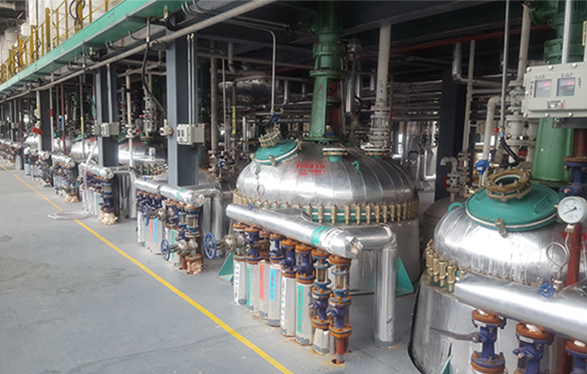
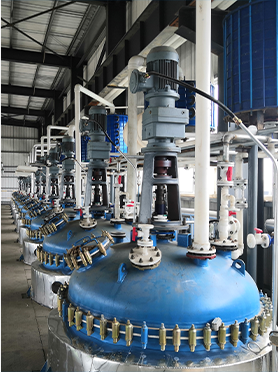
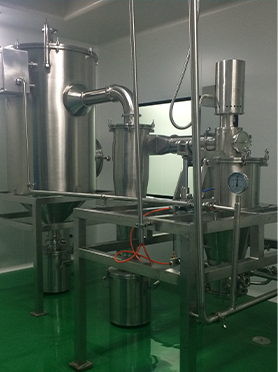
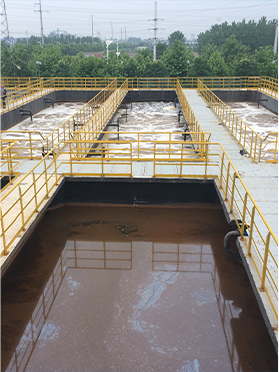
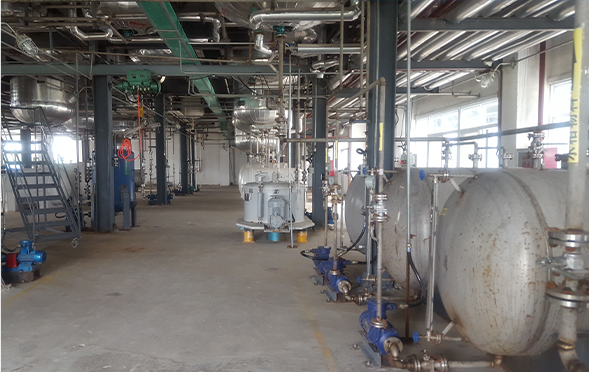
Manufacturing Facilities

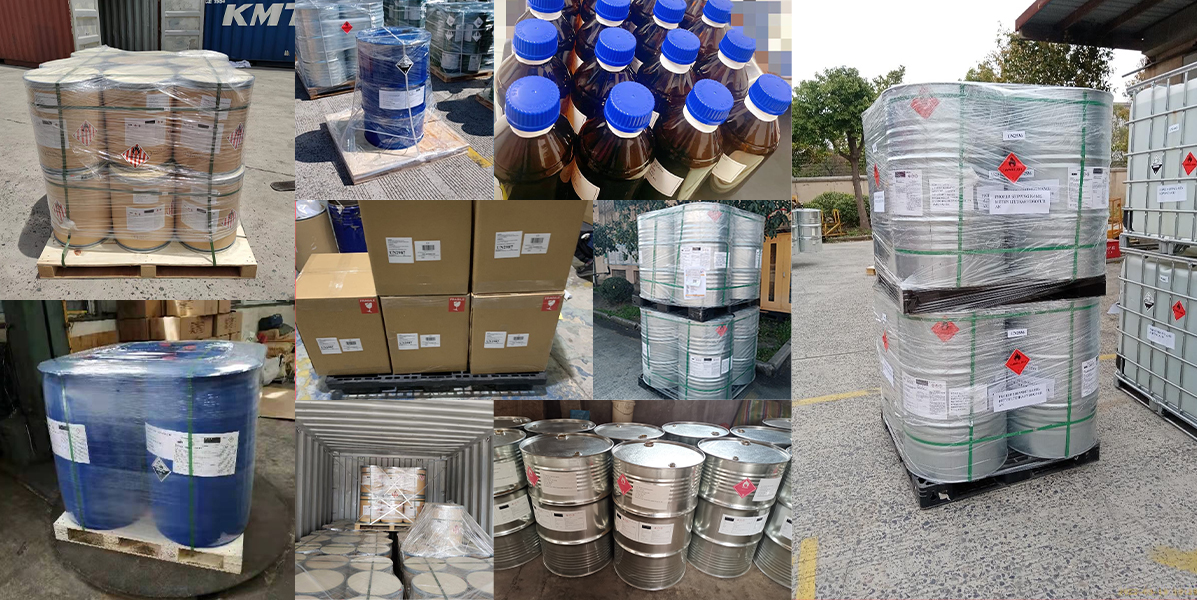
Professional Export Experience
to Global Customers
1. 20 years of R&D, manufacturing and sales experience, serving customers in 60 countries and regions around the world;
2. Own R&D laboratory, pilot platform and large-scale production workshop, which can meet the audit requirements of global customers;
3. We can satisfy customers' perfect transition from small scale lab requirements (gram level) to commercialization requirements (hundred tons level).
A: We don't have Minimum Order Quantity, exact quantity should be provided before quotation for us to calculate the exact cost.
A: We don't provide free samples due to lots of request and expensive international courier's cost, we can deduct the sample charge after commercial order placed.
A: Our payment terms: Small or sample order: T/T IN ADVANCE. Commercial order: First order should be by T/T IN ADVANCE or L/C at sight, and following orders T/T 30~90days is acceptable subject to approval of credit application.