
Custom Manufacturing, Project Outsourcing, your Trusted Partner from China
In the realm of cosmetic science, few ingredients command the respect and attention that Hyaluronic Acid (HA) does, particularly concerning hydration and anti-aging. Its unique molecular structure allows it to act as a powerful humectant, drawing moisture to the skin and providing a plump, dewy appearance. For cosmetic formulators and chemists, understanding the intricate science behind HA is key to developing high-performance products that deliver tangible results. This exploration delves into the mechanisms, molecular variations, and formulation considerations of Hyaluronic Acid, highlighting its indispensable role in modern skincare.
At its core, Hyaluronic Acid is a linear polysaccharide composed of repeating disaccharide units of glucuronic acid and N-acetylglucosamine. Its remarkable ability to bind water is attributed to its hydrophilic nature and the formation of a viscous gel-like matrix when hydrated. This characteristic makes it an exceptional moisturizer, capable of holding up to 1,000 times its weight in water. When applied to the skin, HA saturates the upper layers of the epidermis, effectively reducing transepidermal water loss (TEWL) and maintaining optimal hydration levels. This is fundamental for skin barrier function, elasticity, and a smooth texture.
The impact of Hyaluronic Acid on the skin is significantly modulated by its molecular weight. Generally, HA molecules are categorized into high, medium, and low molecular weights, each offering distinct benefits:
Formulating with Hyaluronic Acid involves careful consideration of its solubility and potential for thickening. HA powder is typically dispersed in water or water-based formulations under constant, high-speed stirring to prevent clumping and ensure uniform dissolution. The concentration used can vary from 0.1% to 2%, depending on the desired effect and other ingredients in the formulation. Combining different molecular weights can create synergistic effects, offering both immediate surface hydration and long-term epidermal benefits. Furthermore, HA can be formulated with other active ingredients, such as ceramides, peptides, and antioxidants, to enhance its anti-aging and skin-rejuvenating properties.
For cosmetic manufacturers seeking to leverage the science of hydration, sourcing high-quality, pure Hyaluronic Acid raw material is paramount. Understanding the molecular weight profile and its implications for skin penetration and efficacy allows for the creation of sophisticated formulations that meet the evolving demands of consumers for visibly hydrated and youthful-looking skin. As a trusted supplier, we offer pure, fermentation-derived Hyaluronic Acid ready to be integrated into your next groundbreaking cosmetic innovation.
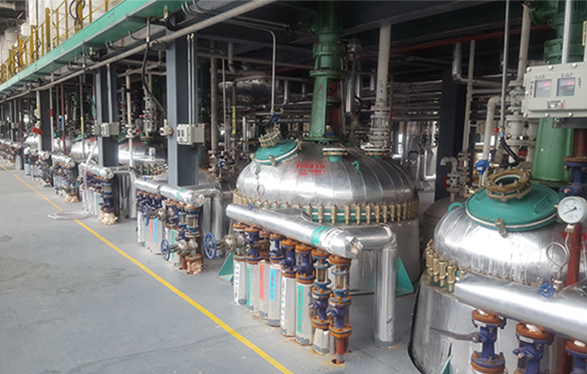
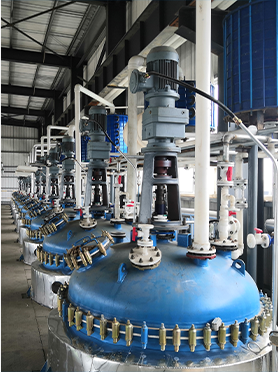
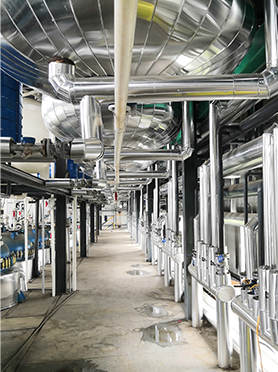
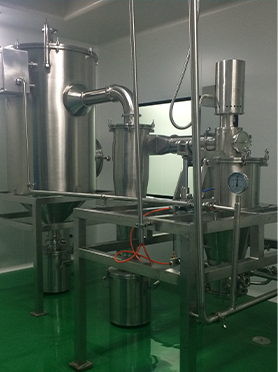
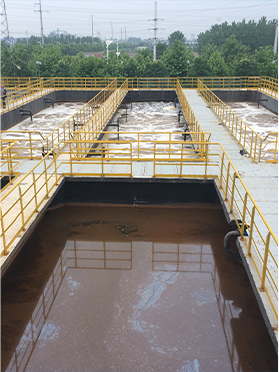
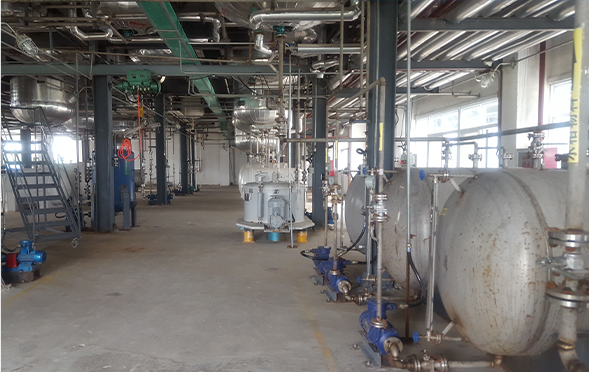
Manufacturing Facilities
Professional Export Experience
to Global Customers
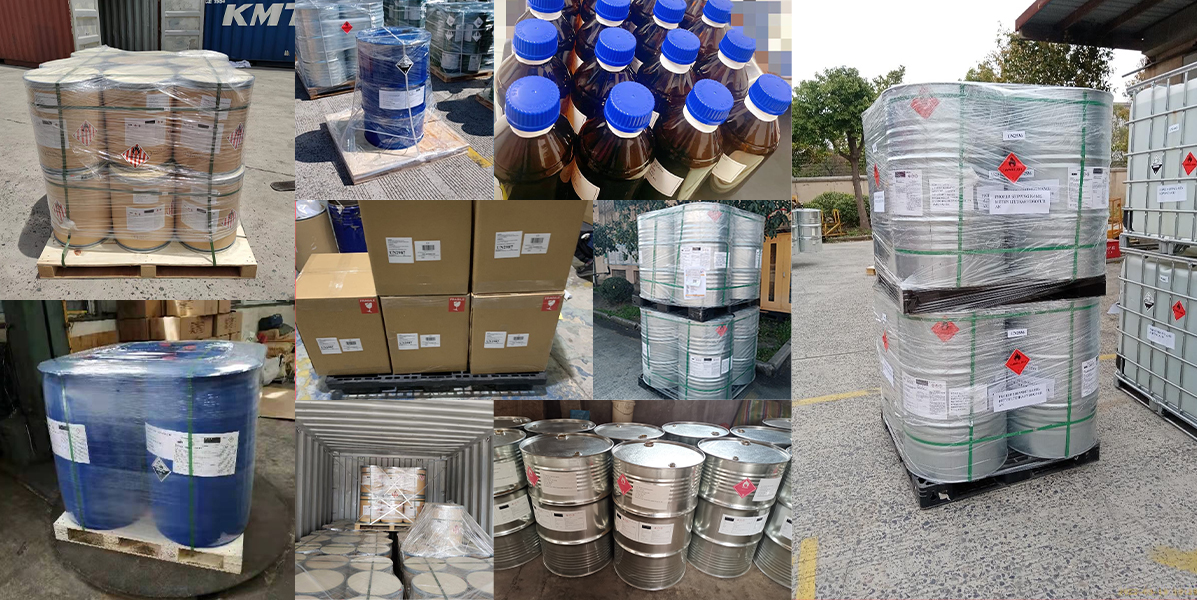
1. 20 years of R&D, manufacturing and sales experience, serving customers in 60 countries and regions around the world;
2. Own R&D laboratory, pilot platform and large-scale production workshop, which can meet the audit requirements of global customers;
3. We can satisfy customers' perfect transition from small scale lab requirements (gram level) to commercialization requirements (hundred tons level).
A: We don't have Minimum Order Quantity, exact quantity should be provided before quotation for us to calculate the exact cost.
A: We don't provide free samples due to lots of request and expensive international courier's cost, we can deduct the sample charge after commercial order placed.
A: Our payment terms: Small or sample order: T/T IN ADVANCE. Commercial order: First order should be by T/T IN ADVANCE or L/C at sight, and following orders T/T 30~90days is acceptable subject to approval of credit application.