
Custom Manufacturing, Project Outsourcing, your Trusted Partner from China
Trichloroisocyanuric Acid (TCCA) is a potent chemical compound widely used for its disinfecting and sanitizing capabilities in swimming pools. Its primary mechanism involves releasing active chlorine into the water, which effectively neutralizes bacteria, viruses, and algae. However, the presence and concentration of TCCA also influence the water's inherent electrical characteristics. Scientific studies are increasingly focusing on these electrical properties as a means to gain a deeper understanding of water quality and disinfectant performance.
One of the fundamental electrical properties measured is conductivity. Electrical conductivity in water is a direct consequence of the presence of dissolved ions. When TCCA dissolves, it breaks down into charged particles, thereby increasing the overall ion concentration. Consequently, a higher concentration of TCCA generally leads to higher electrical conductivity. This correlation is significant because conductivity can serve as an indirect indicator of the disinfectant level in the water, aiding in more precise dosing and management. The effect of TCCA concentration on water conductivity is a key finding in studies aiming to refine water treatment protocols.
To explore these phenomena further, researchers often employ impedance spectroscopy. This advanced technique involves applying an alternating electrical current to the water sample across a range of frequencies and measuring the impedance, which is the opposition to current flow. The resulting data can be complex, revealing multiple relaxation processes within the water. These processes are influenced by various factors, including the concentration of dissolved substances like TCCA, the formation of byproducts, and interactions at the water-electrode interface. By analyzing these responses, scientists can develop accurate models, often using equivalent electrical circuits, to represent the water's behavior.
The study of these electrical properties offers several advantages. It provides a non-destructive and potentially real-time method for assessing water quality. Furthermore, it can reveal subtle changes that might not be captured by traditional chemical tests. For instance, analyzing relaxation times can offer insights into the speed at which the water's electrical state responds to changes in TCCA concentration or other chemical conditions. This detailed understanding is crucial for optimizing pool sanitation with TCCA, ensuring that the disinfectant is working efficiently and effectively.
In summary, Trichloroisocyanuric Acid is not only a powerful disinfectant but also a factor that influences the measurable electrical characteristics of swimming pool water. By investigating these properties through methods like impedance spectroscopy, we can unlock a more scientific approach to water management. This advanced analysis allows for better monitoring, more precise chemical adjustments, and ultimately, the maintenance of exceptionally clean and safe swimming environments. As a reliable supplier, we are dedicated to providing high-quality TCCA that supports these advancements in water care.
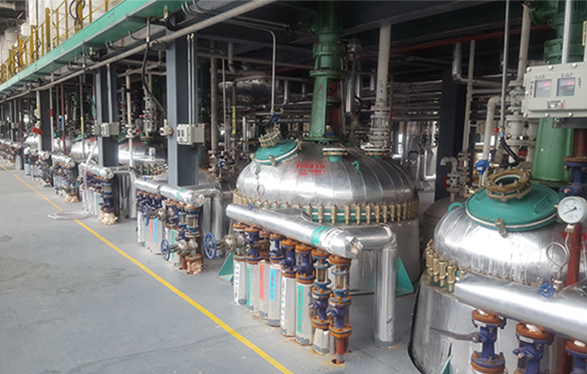
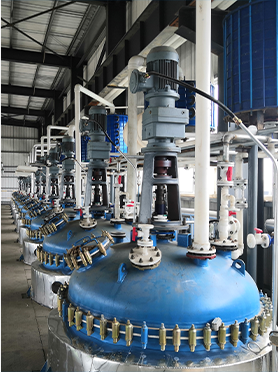
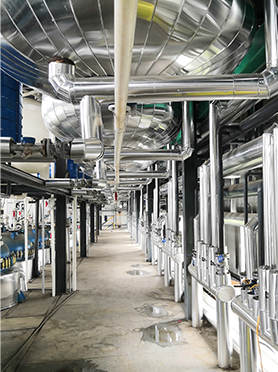
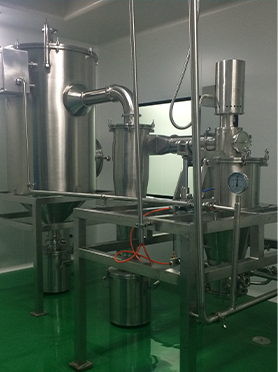
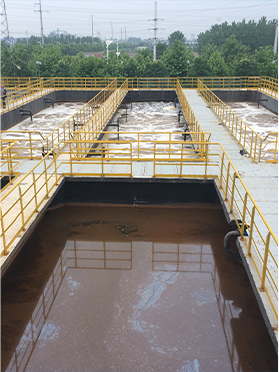
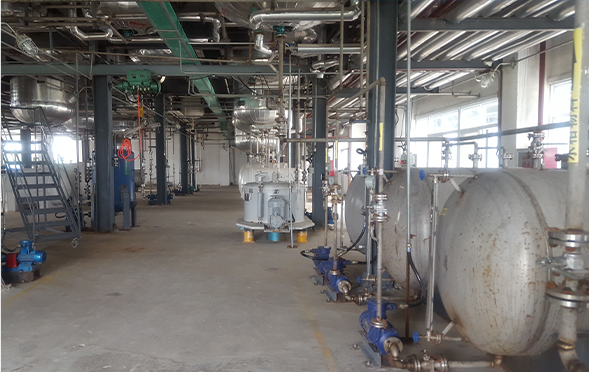
Manufacturing Facilities
Professional Export Experience
to Global Customers
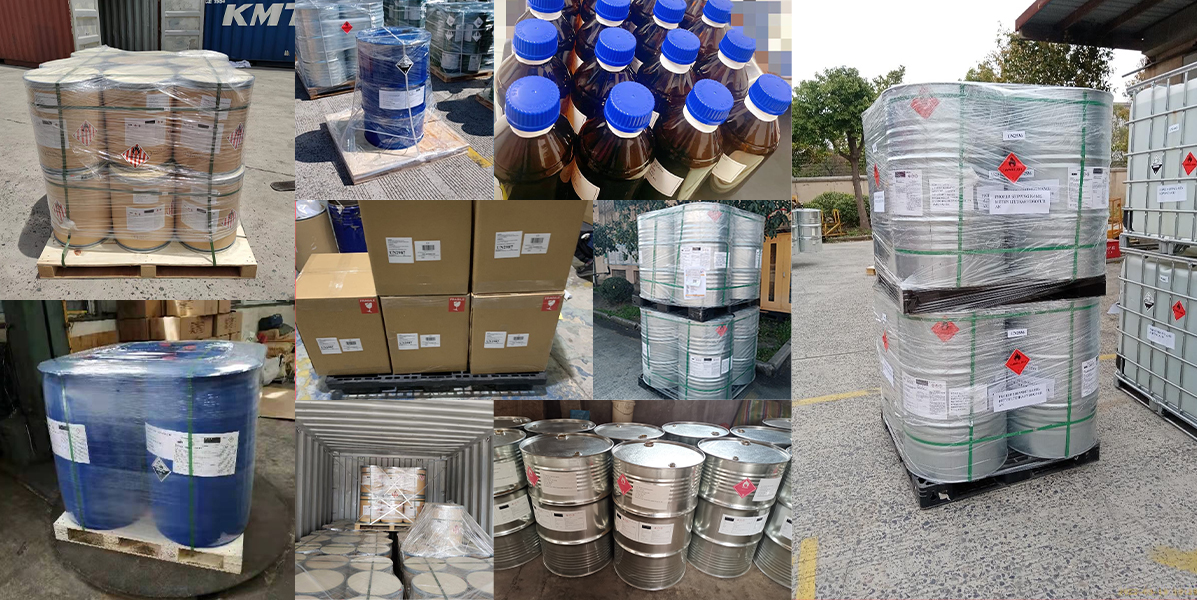
1. 20 years of R&D, manufacturing and sales experience, serving customers in 60 countries and regions around the world;
2. Own R&D laboratory, pilot platform and large-scale production workshop, which can meet the audit requirements of global customers;
3. We can satisfy customers' perfect transition from small scale lab requirements (gram level) to commercialization requirements (hundred tons level).
A: We don't have Minimum Order Quantity, exact quantity should be provided before quotation for us to calculate the exact cost.
A: We don't provide free samples due to lots of request and expensive international courier's cost, we can deduct the sample charge after commercial order placed.
A: Our payment terms: Small or sample order: T/T IN ADVANCE. Commercial order: First order should be by T/T IN ADVANCE or L/C at sight, and following orders T/T 30~90days is acceptable subject to approval of credit application.