
Custom Manufacturing, Project Outsourcing, your Trusted Partner from China
Corrosion is a ubiquitous electrochemical process that leads to the degradation of metallic materials. It is responsible for billions of dollars in damages annually across various industries, from infrastructure to manufacturing. Fortunately, the science of corrosion inhibition offers effective strategies to mitigate this degradation, extending the lifespan and ensuring the reliability of metal components.
At its core, corrosion inhibition involves reducing the rate of either the anodic (metal dissolution) or cathodic (reduction of an oxidizing agent) electrochemical reactions. Corrosion inhibitors are chemical compounds that, when added in small concentrations to a corrosive environment, significantly slow down or prevent the corrosion process. Their effectiveness is largely dependent on their ability to interact with the metal surface.
The primary mechanism through which most corrosion inhibitors function is adsorption. Inhibitor molecules adsorb onto the metal surface, forming a protective layer or film. This layer acts as a barrier, physically blocking corrosive species from reaching the metal and interfering with the electrochemical reactions. The nature of this adsorption can vary:
Corrosion inhibitors can be broadly classified based on their chemical structure or mechanism of action:
The effectiveness of an organic inhibitor is often linked to its molecular structure and the presence of specific functional groups. For instance, the nitrogen, oxygen, and phosphorus atoms in DAMP provide lone pairs of electrons that can readily coordinate with metal atoms, forming stable protective films. The aromatic rings contribute to surface coverage through π-electron interactions.
Understanding the adsorption mechanism and the nature of the protective film is crucial for selecting the right inhibitor for a specific application. Factors such as the type of metal, the nature of the corrosive environment (pH, presence of specific ions), and operating conditions (temperature, flow rate) all influence inhibitor performance. Through rigorous testing, including electrochemical methods and surface analysis techniques, the optimal corrosion inhibitors are identified and applied to ensure the longevity and integrity of metal structures and components.
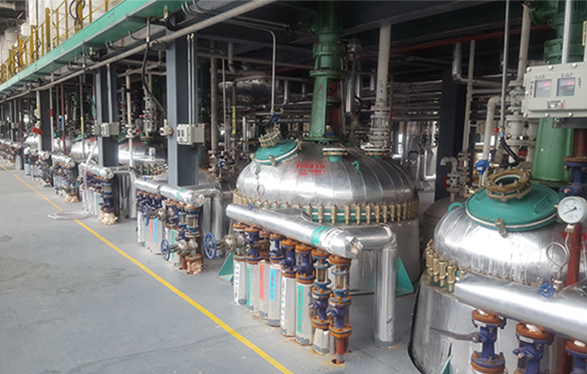
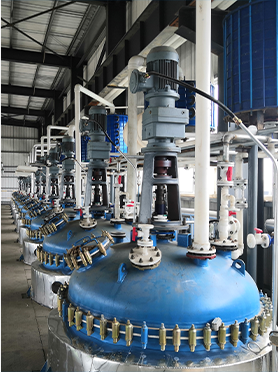
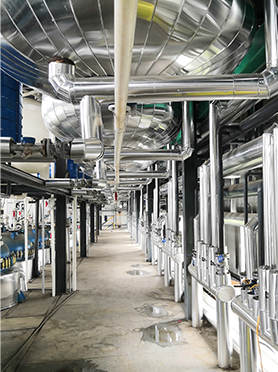
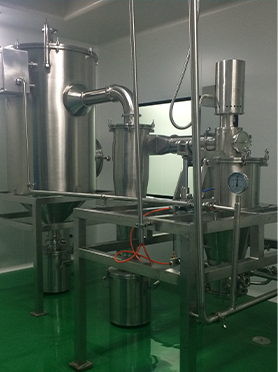
Manufacturing Facilities
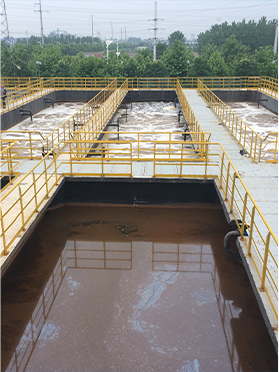
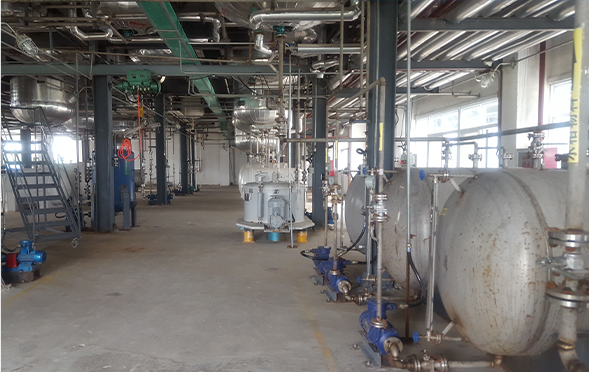
Professional Export Experience
to Global Customers
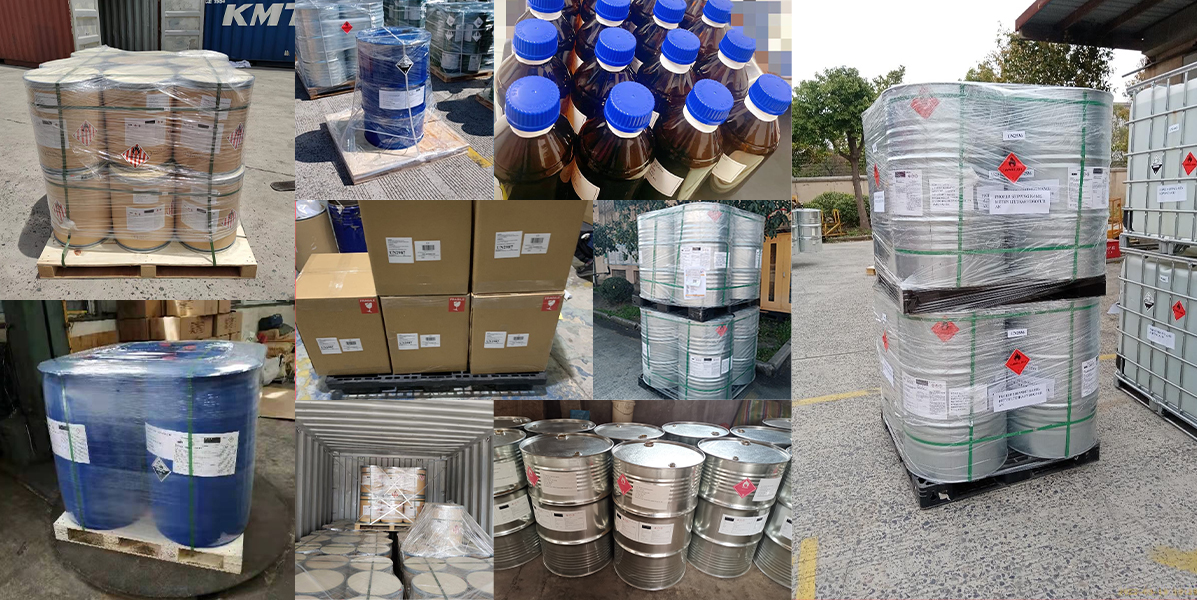
1. 20 years of R&D, manufacturing and sales experience, serving customers in 60 countries and regions around the world;
2. Own R&D laboratory, pilot platform and large-scale production workshop, which can meet the audit requirements of global customers;
3. We can satisfy customers' perfect transition from small scale lab requirements (gram level) to commercialization requirements (hundred tons level).
A: We don't have Minimum Order Quantity, exact quantity should be provided before quotation for us to calculate the exact cost.
A: We don't provide free samples due to lots of request and expensive international courier's cost, we can deduct the sample charge after commercial order placed.
A: Our payment terms: Small or sample order: T/T IN ADVANCE. Commercial order: First order should be by T/T IN ADVANCE or L/C at sight, and following orders T/T 30~90days is acceptable subject to approval of credit application.