
Custom Manufacturing, Project Outsourcing, your Trusted Partner from China
Tartaric acid is intrinsically linked to the world of wine, playing a multifaceted role from the vineyard to the bottle. It is one of the primary organic acids found naturally in grapes, contributing significantly to the wine's overall flavor profile and stability. NINGBO INNO PHARMCHEM CO.,LTD. understands the importance of high-quality tartaric acid for both winemaking and related industries.
Tartaric Acid's Role in Winemaking:
Production and Sourcing:
Historically, tartaric acid was primarily sourced from the by-products of wine fermentation, such as lees and argol (crude potassium bitartrate). Modern production still relies on these natural sources, processed to yield high-purity tartaric acid for various applications, including the food and pharmaceutical industries.
NINGBO INNO PHARMCHEM CO.,LTD. is committed to providing high-quality tartaric acid, understanding its critical importance in processes such as winemaking. Whether used in its pure form or as its salts, tartaric acid remains a fundamental component in preserving and enhancing the character of wine.
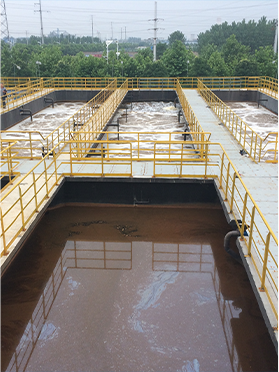
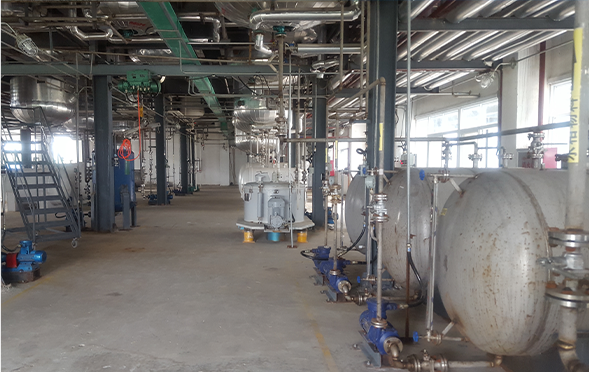
Manufacturing Facilities
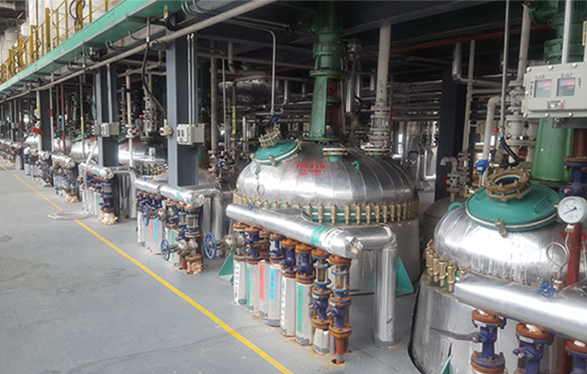
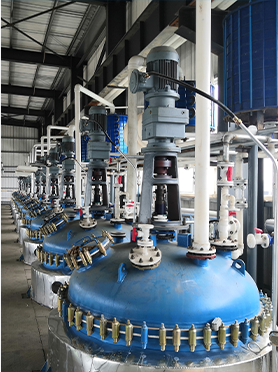
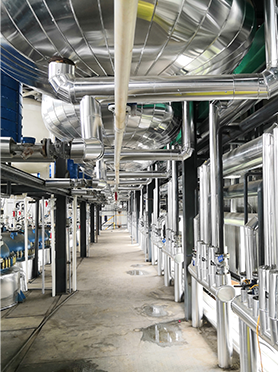
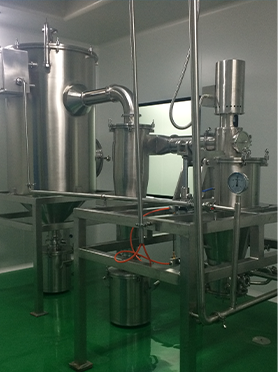
Professional Export Experience
to Global Customers
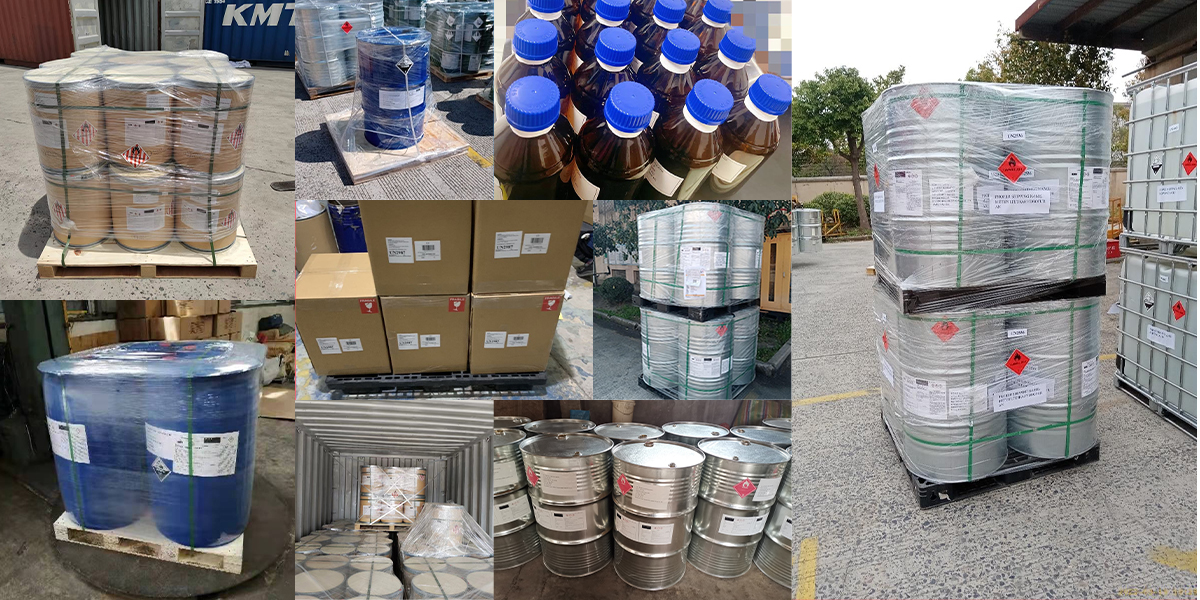
1. 20 years of R&D, manufacturing and sales experience, serving customers in 60 countries and regions around the world;
2. Own R&D laboratory, pilot platform and large-scale production workshop, which can meet the audit requirements of global customers;
3. We can satisfy customers' perfect transition from small scale lab requirements (gram level) to commercialization requirements (hundred tons level).
A: We don't have Minimum Order Quantity, exact quantity should be provided before quotation for us to calculate the exact cost.
A: We don't provide free samples due to lots of request and expensive international courier's cost, we can deduct the sample charge after commercial order placed.
A: Our payment terms: Small or sample order: T/T IN ADVANCE. Commercial order: First order should be by T/T IN ADVANCE or L/C at sight, and following orders T/T 30~90days is acceptable subject to approval of credit application.