
Custom Manufacturing, Project Outsourcing, your Trusted Partner from China
Thiamphenicol, a significant synthetic antibiotic, has carved a vital niche in both human and veterinary medicine due to its potent antibacterial properties. Its therapeutic efficacy is primarily attributed to its precise thiamphenicol mechanism of action, which involves the inhibition of bacterial protein synthesis. This fundamental process is essential for bacterial survival and replication, making it a prime target for antimicrobial agents.
The core of Thiamphenicol's action lies in its binding to the 50S ribosomal subunit of bacteria. This interaction disrupts the peptidyl transferase activity, a critical step in the elongation of protein chains during translation. By arresting protein synthesis, Thiamphenicol effectively renders bacteria incapable of producing vital enzymes and structural components necessary for their growth and multiplication. This targeted approach makes it a powerful weapon against a wide spectrum of bacterial pathogens, particularly Gram-negative and anaerobic bacteria.
Beyond its mechanism, understanding the diverse therapeutic applications of Thiamphenicol is crucial. In human medicine, it is utilized to treat various infections, including respiratory tract infections, urinary tract infections, and certain sexually transmitted diseases. Its effectiveness in combating these conditions underscores its importance in clinical practice. The article's focus on thiamphenicol for respiratory infections provides insight into its targeted use cases.
In the veterinary field, Thiamphenicol serves as a key veterinary antibiotic, playing a role in maintaining the health of livestock and poultry. It is instrumental in managing infections that can lead to significant economic losses in the agricultural sector. The reliable performance of Thiamphenicol contributes to the overall health and productivity of animal populations.
When considering Thiamphenicol, its favorable thiamphenicol safety profile is a noteworthy aspect. Compared to Chloramphenicol, it exhibits reduced toxicity, particularly concerning bone marrow depression, making it a safer alternative for patients who might be sensitive or require extended treatment courses. Responsible pharmaceutical companies like NINGBO INNO PHARMCHEM CO.,LTD. emphasize the importance of this improved safety profile in their product offerings.
Furthermore, awareness of potential thiamphenicol drug interactions is essential for healthcare professionals to ensure safe and effective treatment regimens. A comprehensive understanding of how Thiamphenicol interacts with other medications allows for the optimization of therapeutic outcomes and the minimization of adverse effects. This commitment to providing safe and effective pharmaceutical solutions is a hallmark of quality.
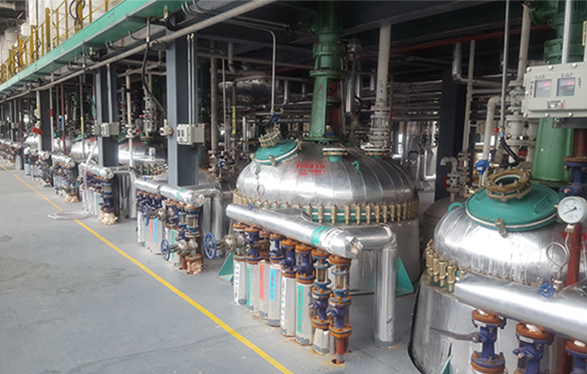
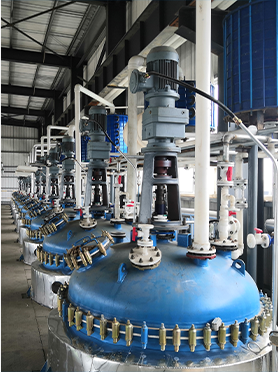
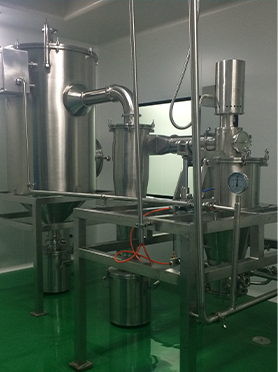
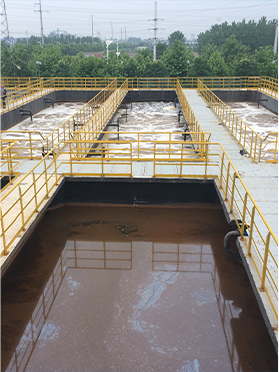
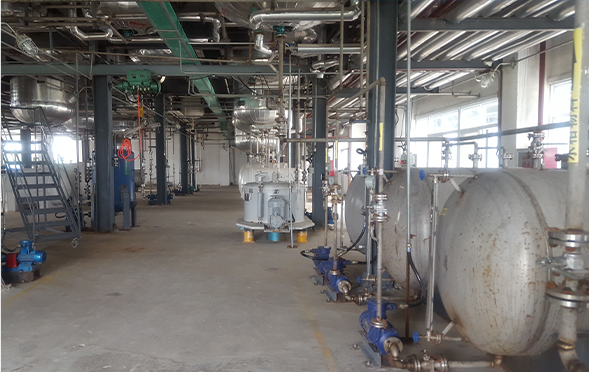
Manufacturing Facilities

Professional Export Experience
to Global Customers
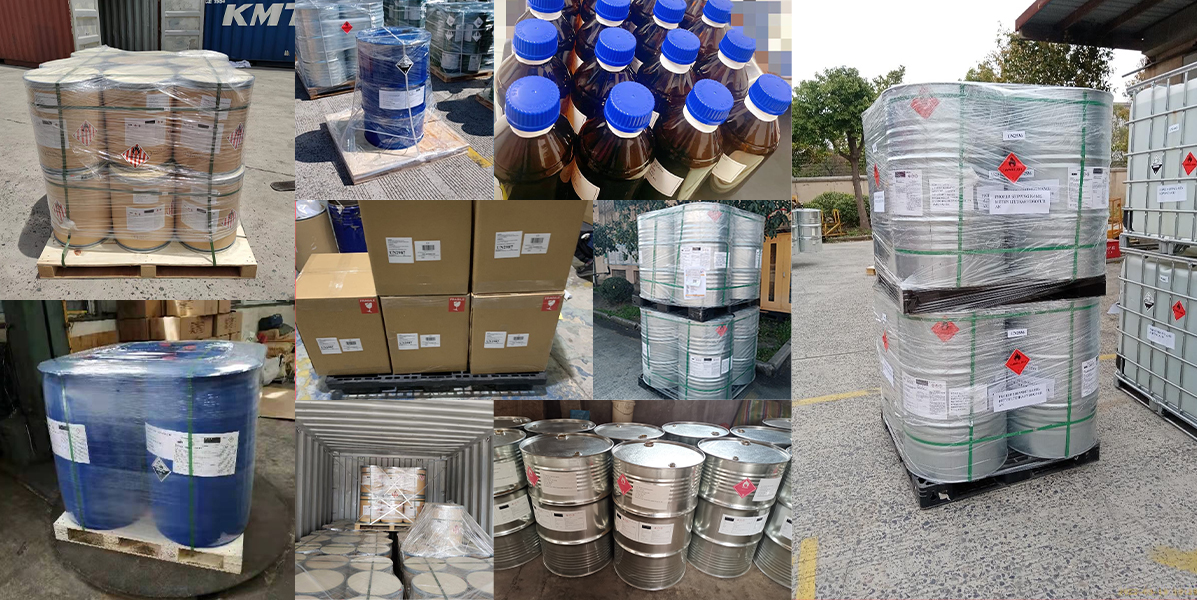
1. 20 years of R&D, manufacturing and sales experience, serving customers in 60 countries and regions around the world;
2. Own R&D laboratory, pilot platform and large-scale production workshop, which can meet the audit requirements of global customers;
3. We can satisfy customers' perfect transition from small scale lab requirements (gram level) to commercialization requirements (hundred tons level).
A: We don't have Minimum Order Quantity, exact quantity should be provided before quotation for us to calculate the exact cost.
A: We don't provide free samples due to lots of request and expensive international courier's cost, we can deduct the sample charge after commercial order placed.
A: Our payment terms: Small or sample order: T/T IN ADVANCE. Commercial order: First order should be by T/T IN ADVANCE or L/C at sight, and following orders T/T 30~90days is acceptable subject to approval of credit application.