Custom Manufacturing, Project Outsourcing, your Trusted Partner from China
Revolutionizing Agricultural Insecticide Production Through Chemistry
Scientists have developed an environmentally sustainable synthesis process for thiodicarb, a vital broad-spectrum carbamate insecticide. This novel method replaces toxic sulfur dichloride (SCl₂) with cheaper, sulfur monochloride (S₂Cl₂), eliminates water-intensive purification, and utilizes pyridine as a dual-purpose solvent and catalyst. The breakthrough tackles long-standing industrial challenges: excessive wastewater generation (>5 m³ per ton of product), high impurity levels affecting thermal stability, and inconsistent product quality.
Flaws in Conventional Thiodicarb Synthesis
Existing processes rely heavily on SCl₂, complex multi-solvent systems (pyridine/toluene/xylene), and mandatory water washing with huge water-to-methomyl molar ratios (55:1 to 16:1). This generates vast, difficult-to-treat wastewater streams containing organics. Purification requires intricate steps to remove catalysts and impurities like elemental sulfur, which undermine product stability. Solid-solid reactions in non-polar solvents cause inconsistent particle size and coloration.
The Groundbreaking Green Protocol
The core innovation involves three key shifts. Firstly, sulfur monochloride (S₂Cl₂) replaces sulfur dichloride (SCl₂), reducing raw material costs. Secondly, all water washing phases are erased. Instead, excess pyridine dissolves crucial impurities – elemental sulfur and pyridinium hydrochloride – generated during the reaction. Thirdly, a targeted two-stage methanol wash precisely purifies the product. Molar ratios are optimized: methomyl : S₂Cl₂ : pyridine = 1 : (0.6-0.8) : (6-7). Pyridine acts as the sole solvent and organic base catalyst, eliminating the need for and later removal of additional catalysts like DMAP.
Optimized Synthesis Steps:
Closed-Loop Solvent & Resource Recovery
The process achieves near-zero liquid waste through aggressive recycling:
Unexpected Performance Advantages
Beyond addressing waste, the pyridine single-solvent system creates a liquid reaction environment. This ensures exceptional product uniformity – yielding white, fine powder (D90 ~25.49μm) with consistent coloration across batches – impossible under conventional solid-liquid conditions. Using methanol instead of water enhances purity and thermal stability. Products exhibit narrower melting point ranges (165.2°C to 169.6°C vs. 155.6°C to 166.9°C traditionally) and reduced decomposition rates (<2.4%).
Economic & Environmental Impact
This protocol offers decisive advantages: Cost Reduction: S₂Cl₂ cost savings + eliminated wastewater treatment + near-total solvent recovery lowers overall costs ~10%. Radical Waste Reduction: Cuts wastewater volume by over 80% (saving ≥288kg water per 162.2kg methomyl). Main process generates negligible wastewater. High Performance: Methomyl conversion reaches 98.5%; Thiodicarb purity routinely exceeds 97.6% with yields consistently above 91.2% (average 92.1%). All parameters meet or exceed stringent standards. Scalability Demonstrated: Six successful examples validate robustness under varying batch scales, yielding pure white powder meeting all quality specifications, demonstrating industrial viability.
A Paradigm Shift for Sustainable Agrochemicals
This green synthesis method fundamentally challenges entrenched practices favoring SCl₂ and water washing. By leveraging fundamental chemistry understanding – excess pyridine's dual solvent/catalyst role effectively dissolving impurities and replacing water with optimized methanol washing – it delivers a commercially viable, environmentally responsible pathway for producing essential crop protection chemistry. This advancement substantially reduces the environmental burden of thiodicarb production while maintaining high efficiency and superior product quality.
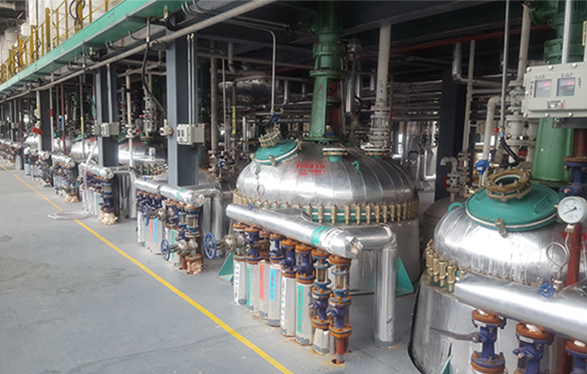
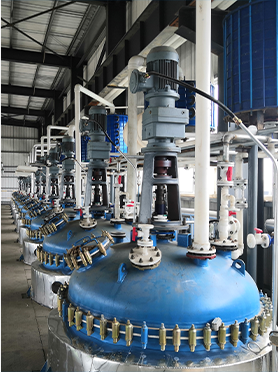
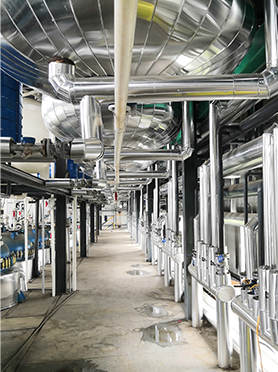
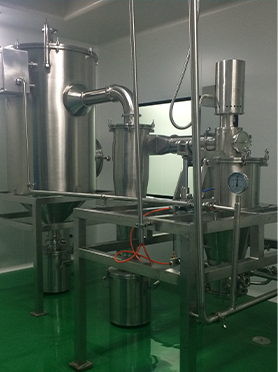
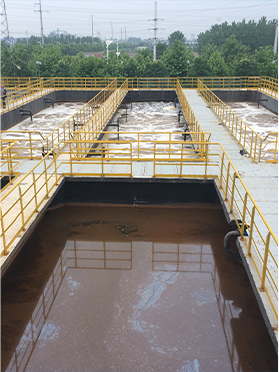
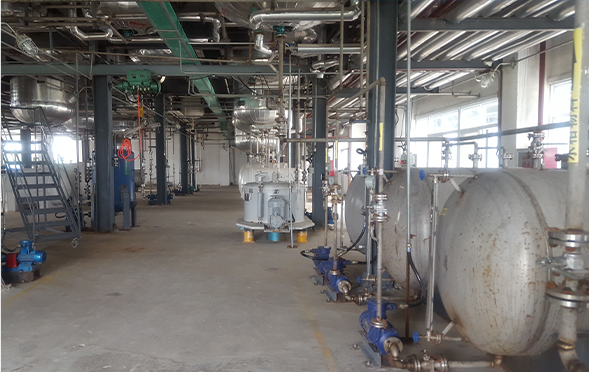
Manufacturing Facilities
Professional Export Experience
to Global Customers
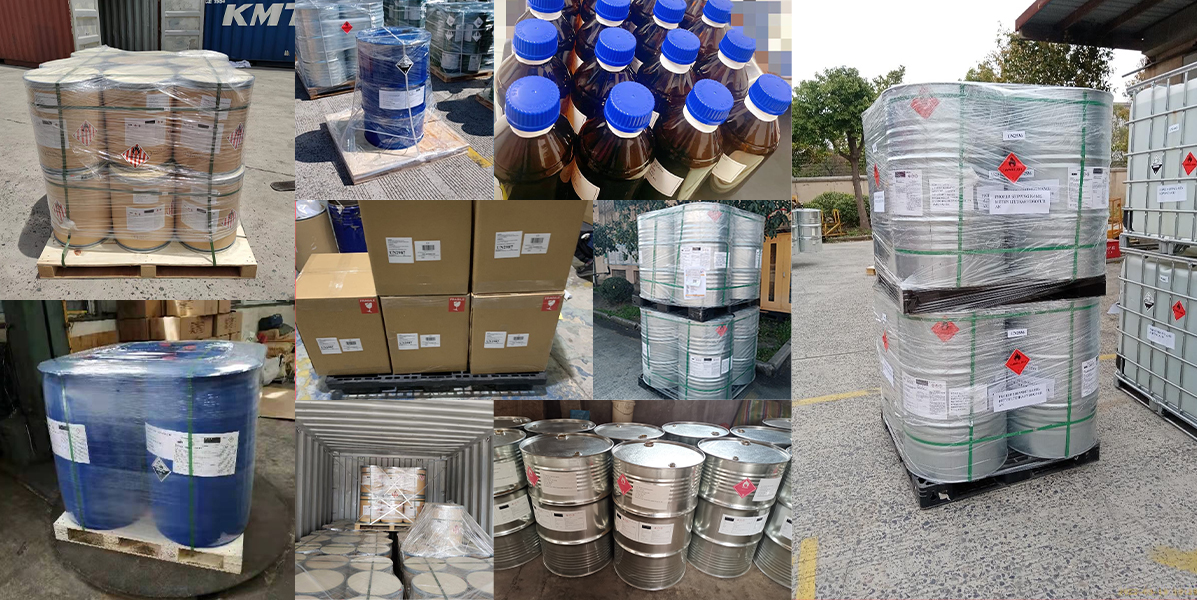
1. 20 years of R&D, manufacturing and sales experience, serving customers in 60 countries and regions around the world;
2. Own R&D laboratory, pilot platform and large-scale production workshop, which can meet the audit requirements of global customers;
3. We can satisfy customers' perfect transition from small scale lab requirements (gram level) to commercialization requirements (hundred tons level).
A: We don't have Minimum Order Quantity, exact quantity should be provided before quotation for us to calculate the exact cost.
A: We don't provide free samples due to lots of request and expensive international courier's cost, we can deduct the sample charge after commercial order placed.
A: Our payment terms: Small or sample order: T/T IN ADVANCE. Commercial order: First order should be by T/T IN ADVANCE or L/C at sight, and following orders T/T 30~90days is acceptable subject to approval of credit application.