
Custom Manufacturing, Project Outsourcing, your Trusted Partner from China
For any B2B procurement professional in the chemical industry, understanding product specifications is the cornerstone of making informed purchasing decisions. Triphenyl Phosphate (TPP), a widely used flame retardant and plasticizer, is no exception. With CAS number 115-86-6, TPP's effectiveness hinges on its purity and adherence to specific technical parameters. This guide aims to demystify these specifications and highlight why sourcing high-quality TPP from reputable manufacturers is crucial for optimal industrial application.
The primary specification for TPP is its purity, often stated as an 'Assay.' For most industrial applications, an assay of 99% minimum is standard and highly desirable. This high purity ensures that the TPP performs its intended functions effectively without introducing unwanted side reactions or compromising the properties of the final product. When you buy Triphenyl Phosphate, always verify this assay percentage. Low purity TPP might contain higher levels of impurities, which can negatively impact its flame retardant efficacy or plasticizing properties.
The appearance of TPP is typically described as a 'White flake solid.' This physical form is important for handling, storage, and ease of incorporation into various formulations. Deviations from this appearance, such as discoloration or the presence of significant foreign matter, could indicate quality issues or improper handling during manufacturing or transit. A clean, white appearance is a good initial indicator of quality from a trusted supplier.
Beyond purity and appearance, several other key parameters define the quality of TPP:
For businesses looking to procure Triphenyl Phosphate, particularly in bulk quantities, sourcing from a reliable manufacturer in China is often the most cost-effective strategy. These suppliers typically offer competitive Triphenyl Phosphate price structures and can provide the necessary documentation to verify product specifications. When requesting a quote for TPP, always ensure that the supplier can clearly state these key parameters.
The selection of a TPP supplier should also consider their ability to provide technical support and ensure consistent availability. Companies that sell Triphenyl Phosphate should be transparent about their production processes and quality control measures. This diligence ensures that the TPP you purchase will consistently meet the demands of your application, whether it's for flame retardant plasticization of engineering plastics, resins, or rubber.
In summary, when considering Triphenyl Phosphate for your industrial needs, pay close attention to its purity and key specifications. High assay, controlled impurity levels, and appropriate physical properties are vital for ensuring product efficacy and safety. Partnering with a reputable Triphenyl Phosphate manufacturer ensures you receive a quality product that meets your exact requirements, backed by competitive pricing and reliable supply from China.
Manufacturing Facilities
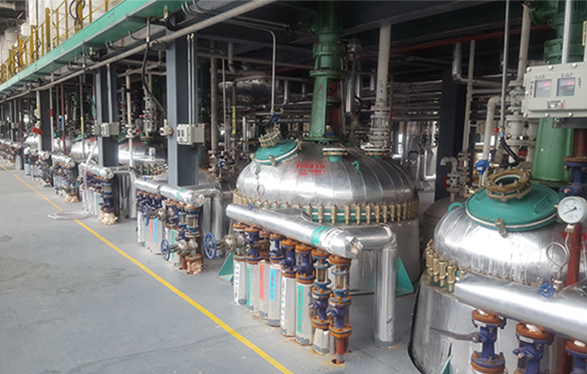
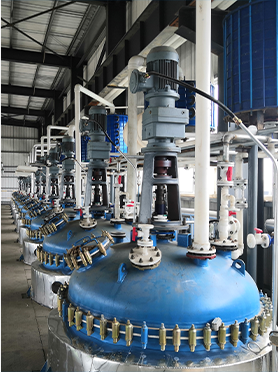
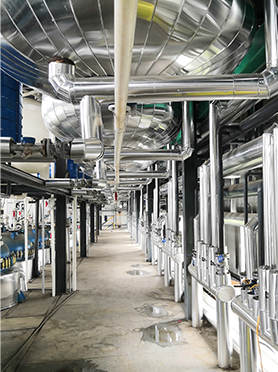
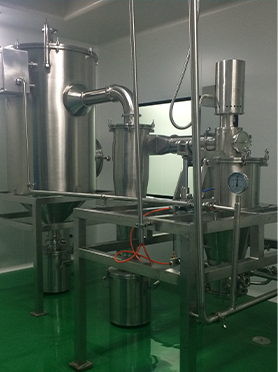
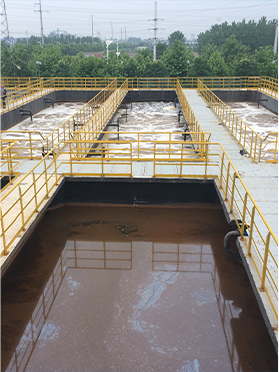
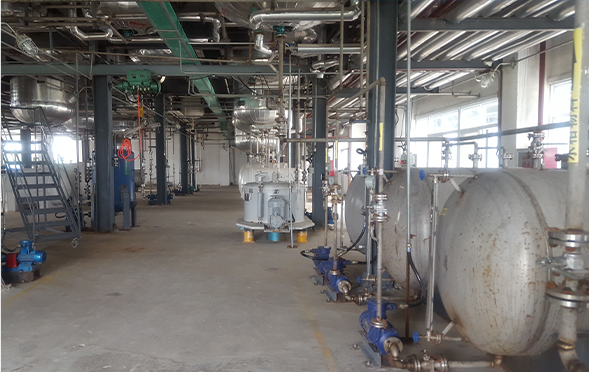
Professional Export Experience
to Global Customers
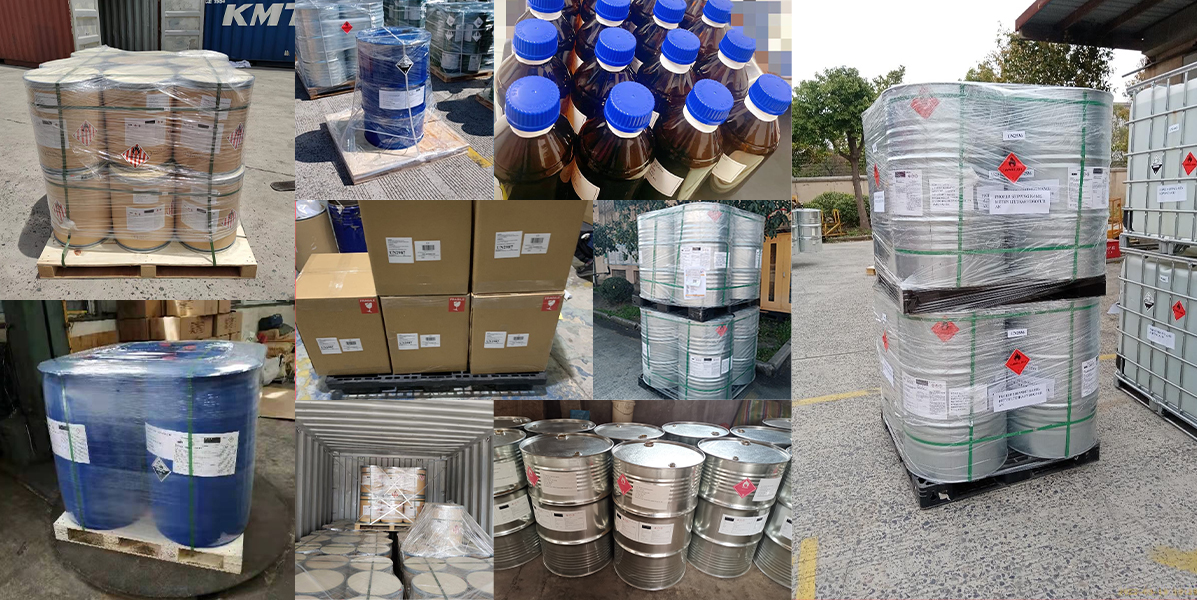
1. 20 years of R&D, manufacturing and sales experience, serving customers in 60 countries and regions around the world;
2. Own R&D laboratory, pilot platform and large-scale production workshop, which can meet the audit requirements of global customers;
3. We can satisfy customers' perfect transition from small scale lab requirements (gram level) to commercialization requirements (hundred tons level).
A: We don't have Minimum Order Quantity, exact quantity should be provided before quotation for us to calculate the exact cost.
A: We don't provide free samples due to lots of request and expensive international courier's cost, we can deduct the sample charge after commercial order placed.
A: Our payment terms: Small or sample order: T/T IN ADVANCE. Commercial order: First order should be by T/T IN ADVANCE or L/C at sight, and following orders T/T 30~90days is acceptable subject to approval of credit application.