
Custom Manufacturing, Project Outsourcing, your Trusted Partner from China
The strategic incorporation of fluorine atoms, particularly in the form of the trifluoromethyl (-CF3) group, has revolutionized medicinal chemistry and the development of advanced materials. This seemingly simple substitution can confer profound improvements in a molecule's properties, impacting everything from its biological activity to its stability and delivery. 3-(Trifluoromethyl)phenylpropionic acid (CAS 585-50-2) serves as an excellent case study for understanding the benefits of this powerful functional group.
Understanding the Trifluoromethyl Group
The trifluoromethyl group is characterized by its high electronegativity and its non-polar nature. This combination leads to several unique effects when it is incorporated into organic molecules:
3-(Trifluoromethyl)phenylpropionic Acid as an Example
In the context of pharmaceutical manufacturing, 3-(Trifluoromethyl)phenylpropionic acid (CAS 585-50-2) is invaluable due to its role as a precursor to Cinacalcet. The trifluoromethyl group is integral to Cinacalcet's function as a calcimimetic agent. Its presence contributes to the drug's ability to interact effectively with calcium-sensing receptors and imparts the necessary metabolic stability for therapeutic efficacy. The specific meta-positioning of the CF3 group is also critical for achieving the desired pharmacological profile.
For research scientists and procurement managers, understanding these properties underscores why sourcing high-purity 3-(Trifluoromethyl)phenylpropionic acid is so important. Any variation or impurity could compromise the effectiveness of the final drug product or introduce unintended side effects.
Broader Applications of Trifluoromethylated Compounds
The influence of the trifluoromethyl group extends beyond this specific intermediate. Many successful drugs and advanced materials incorporate this moiety. Examples include:
Researchers often seek to buy 3-(Trifluoromethyl)phenylpropionic acid and similar fluorinated building blocks to explore these properties further. Reliable suppliers, often found in regions with strong chemical manufacturing capabilities like China, provide access to these essential research tools.
Conclusion
The strategic use of the trifluoromethyl group is a testament to fluorine chemistry's impact on modern science. As demonstrated by 3-(Trifluoromethyl)phenylpropionic acid (CAS 585-50-2), this substituent can significantly enhance key properties like lipophilicity, metabolic stability, and target binding affinity. For pharmaceutical manufacturers and research scientists, understanding and leveraging these benefits, often through the procurement of precisely engineered intermediates, is crucial for innovation and the development of effective therapies and advanced materials.
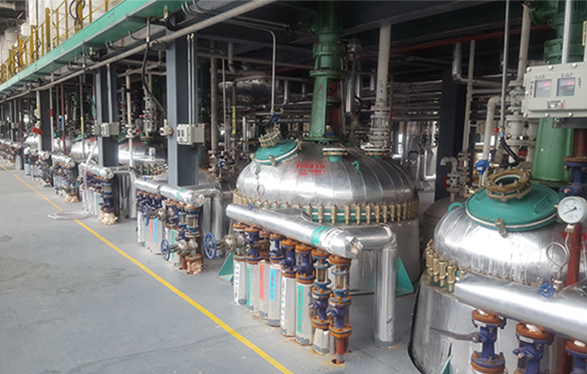
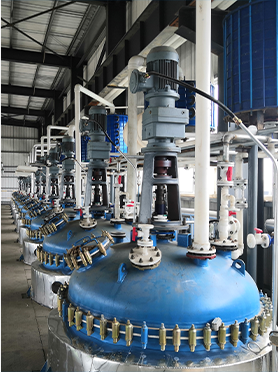
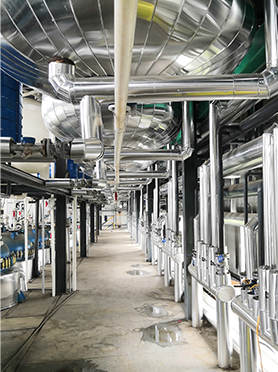
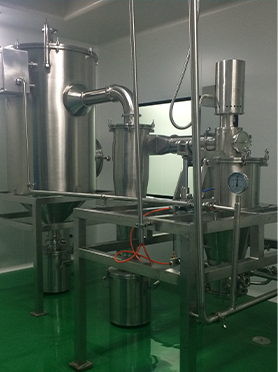
Manufacturing Facilities
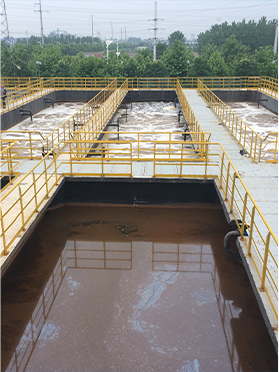
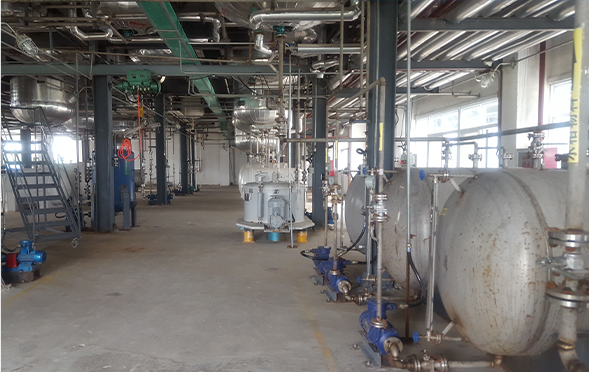
Professional Export Experience
to Global Customers
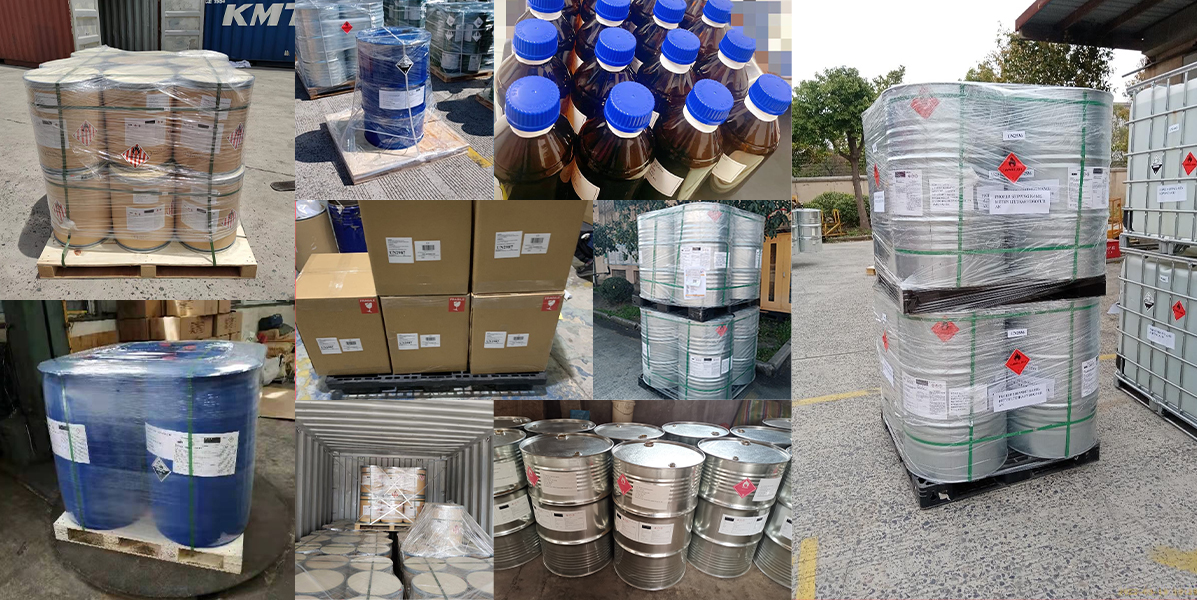
1. 20 years of R&D, manufacturing and sales experience, serving customers in 60 countries and regions around the world;
2. Own R&D laboratory, pilot platform and large-scale production workshop, which can meet the audit requirements of global customers;
3. We can satisfy customers' perfect transition from small scale lab requirements (gram level) to commercialization requirements (hundred tons level).
A: We don't have Minimum Order Quantity, exact quantity should be provided before quotation for us to calculate the exact cost.
A: We don't provide free samples due to lots of request and expensive international courier's cost, we can deduct the sample charge after commercial order placed.
A: Our payment terms: Small or sample order: T/T IN ADVANCE. Commercial order: First order should be by T/T IN ADVANCE or L/C at sight, and following orders T/T 30~90days is acceptable subject to approval of credit application.