Custom Manufacturing, Project Outsourcing, your Trusted Partner from China
In the dynamic landscape of specialty chemicals, Tris[1-phenylisoquinolinato-C2,N]iridium(III), commonly known as Ir(piq)3, has carved out a significant niche. This organometallic iridium complex is primarily celebrated for its exceptional performance as a deep red phosphorescent emitter, making it a vital component in the manufacturing of advanced organic light-emitting diode (OLED) displays and lighting systems. However, its utility extends beyond optoelectronics, offering valuable capabilities in chemical synthesis as well.
Key Properties and Applications of Ir(piq)3
The defining characteristic of Ir(piq)3 is its strong, efficient phosphorescence in the deep red region of the visible spectrum. This property is attributed to the specific coordination of three phenylisoquinoline ligands around a central iridium atom, a structure that promotes high photoluminescence quantum yields and suitable excited state lifetimes for OLED applications. With typical purity levels exceeding 99%, Ir(piq)3 ensures reliable performance in demanding electronic device fabrication.
Its primary application lies within the OLED industry, where it serves as a dopant material to produce pure and saturated red pixels. This is critical for achieving wide color gamuts and high-quality visual output in modern displays. Beyond OLEDs, the catalytic potential of iridium complexes is well-established. Ir(piq)3 can be employed as a catalyst in organic synthesis, notably in cross-coupling reactions such as the Suzuki reaction, facilitating the formation of new carbon-carbon bonds.
Sourcing Strategy for Ir(piq)3: Manufacturer and Supplier Insights
For companies looking to integrate Ir(piq)3 into their production processes or research endeavors, strategic sourcing is crucial. Identifying a dependable manufacturer and supplier who can consistently deliver high-purity material is paramount. Many leading suppliers of electronic chemicals and organometallic compounds are located in China, offering competitive pricing and a stable supply chain.
When engaging with potential suppliers, it is advisable to request detailed product specifications, including the CAS number (435293-93-9), purity analysis (e.g., HPLC), and handling recommendations. Procurement managers should prepare thorough RFQ (Request for Quotation) packages to obtain accurate quotes and evaluate the suitability of different vendors. Factors like lead time, minimum order quantities (MOQ), and customer support also play a significant role in the selection process.
The Advantages of Partnering with a Specialized Supplier
Working with a specialized chemical supplier offers several advantages:
As the field of organic electronics and advanced chemical synthesis continues to evolve, the demand for high-performance materials like Ir(piq)3 is expected to rise. By understanding its properties and establishing robust sourcing strategies, businesses can effectively leverage this versatile iridium complex for innovation and production.
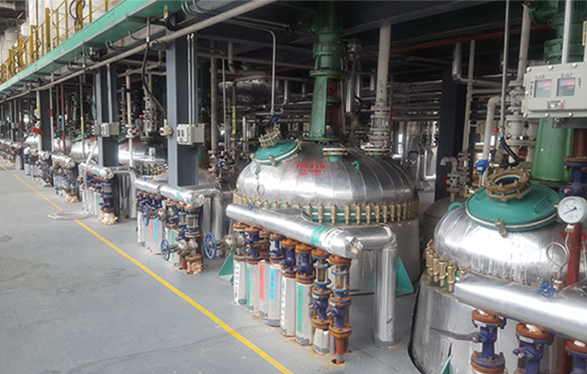
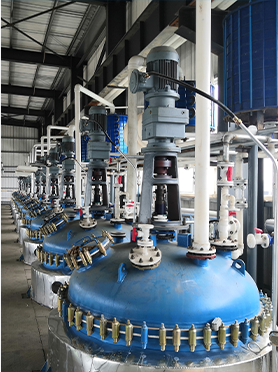
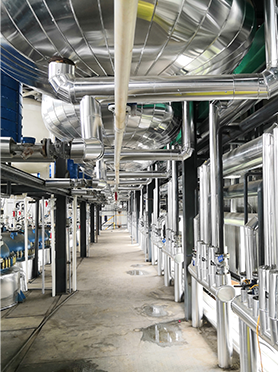
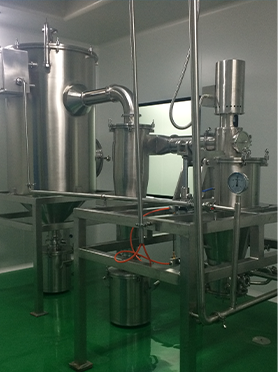
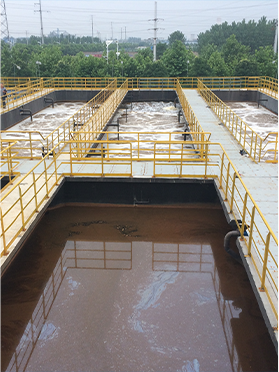
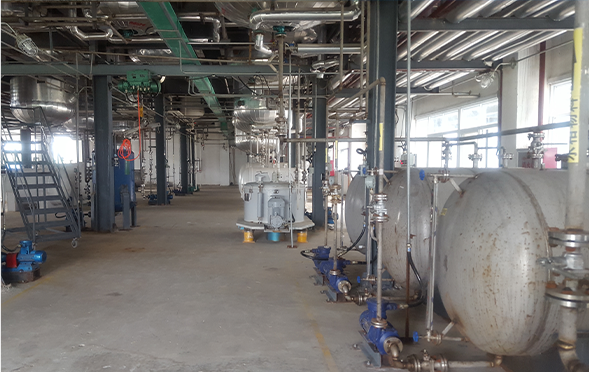
Manufacturing Facilities
Professional Export Experience
to Global Customers
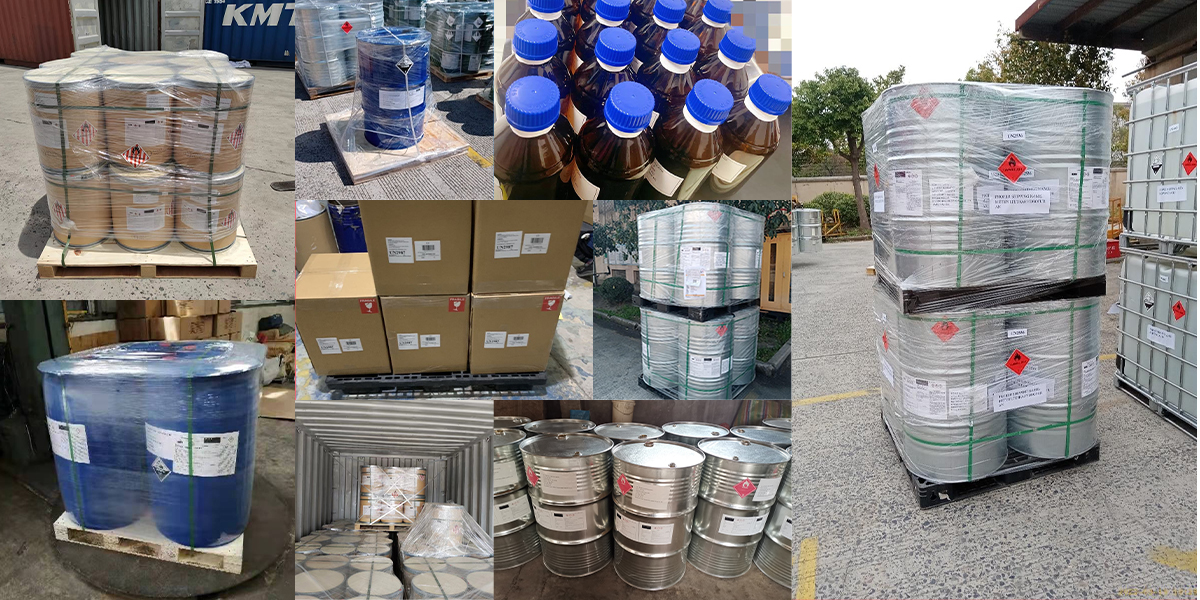
1. 20 years of R&D, manufacturing and sales experience, serving customers in 60 countries and regions around the world;
2. Own R&D laboratory, pilot platform and large-scale production workshop, which can meet the audit requirements of global customers;
3. We can satisfy customers' perfect transition from small scale lab requirements (gram level) to commercialization requirements (hundred tons level).
A: We don't have Minimum Order Quantity, exact quantity should be provided before quotation for us to calculate the exact cost.
A: We don't provide free samples due to lots of request and expensive international courier's cost, we can deduct the sample charge after commercial order placed.
A: Our payment terms: Small or sample order: T/T IN ADVANCE. Commercial order: First order should be by T/T IN ADVANCE or L/C at sight, and following orders T/T 30~90days is acceptable subject to approval of credit application.