
Custom Manufacturing, Project Outsourcing, your Trusted Partner from China
Tris buffer, while a workhorse in many biological and biochemical applications, can sometimes present challenges that researchers need to navigate. Understanding these potential issues and knowing how to troubleshoot them is key to ensuring experimental success. This guide focuses on common problems encountered when using Tris buffer and provides practical solutions.
One of the most frequently cited issues with Tris buffer is its temperature dependence. The pKa of Tris is significantly affected by temperature changes; as the temperature decreases, the pH tends to increase, and vice versa. This variability can lead to unexpected pH shifts during an experiment if the buffer was prepared at a different temperature than its application. The solution is simple yet critical: always prepare your Tris buffer at the intended working temperature. If your experiment runs at 37°C, adjust the pH to your target value at 37°C, not at room temperature.
Another common concern is pH instability, often linked to the temperature issue or improper preparation. Ensuring accurate weighing of Tris base and precise addition of HCl during pH adjustment is crucial. If the pH drifts significantly after preparation, it might indicate issues with the purity of the reagents or the calibration of the pH meter. Regular calibration of pH meters with fresh buffer standards is essential. If you find the pH is consistently off, consider using a higher purity grade of Tris base or a different lot number.
Tris buffer is known to interact with and sometimes inhibit enzymes. This enzyme inhibition can be a major problem when studying enzymatic activity. For instance, Tris can chelate certain metal ions, which are often cofactors for enzymes, thereby reducing their activity. If you suspect Tris is inhibiting your enzyme of interest, consider using alternative buffers that are known to be compatible with your specific enzyme system. Buffers like HEPES or MOPS might be more suitable in such cases, depending on the required pH range. It's always advisable to consult literature specific to your enzyme or protein of interest to see which buffers are recommended.
Compatibility with other reagents is another factor to consider. Tris can react with certain chemicals, affecting the overall stability of the solution. For example, Tris can inactivate DEPC (diethyl pyrocarbonate), a common agent used for sterilizing solutions and preventing RNA degradation. If your protocol involves DEPC treatment, prepare Tris buffers after this step or use alternative sterilization methods.
Furthermore, while Tris buffer is useful for many applications, it is generally not recommended for cell culture work at higher concentrations because it can permeate cell membranes and potentially affect cell viability. If cell culture is your primary application, buffers like HEPES or traditional bicarbonate buffers are often preferred. However, for specific cell-based assays where Tris is required, careful optimization of concentration is necessary.
Finally, always ensure proper storage conditions. Tris buffer solutions should be stored in tightly sealed, labeled containers to prevent contamination and evaporation. For long-term storage, refrigeration at 4°C is common, but always check your specific protocol.
By being aware of these common troubleshooting points and implementing the suggested solutions, researchers can effectively utilize Tris buffer and ensure the success and reproducibility of their experiments. Careful planning and attention to detail are the best tools for navigating any laboratory challenge.
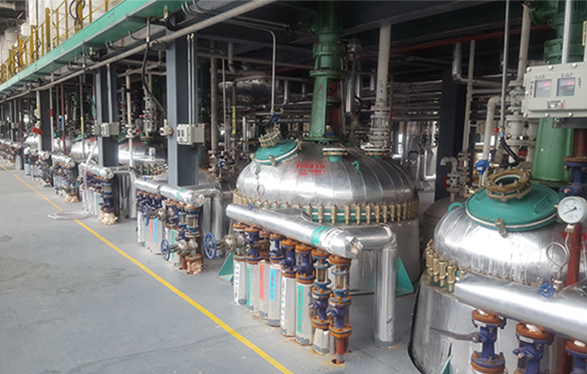
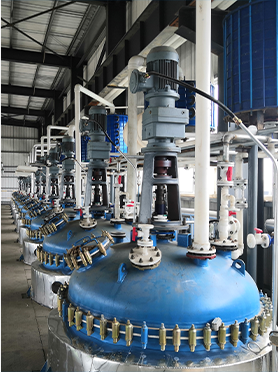
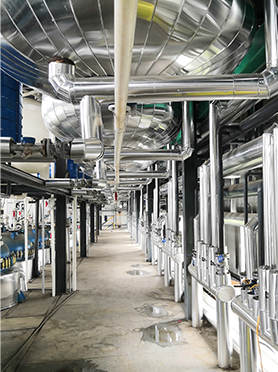
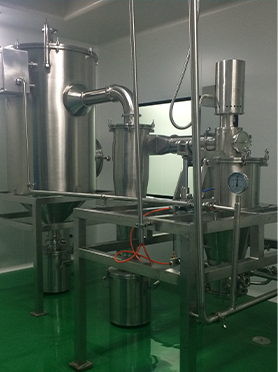
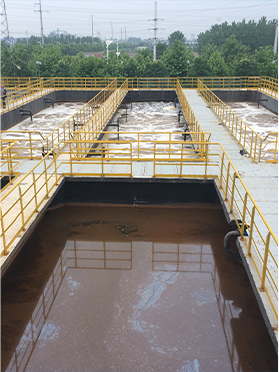
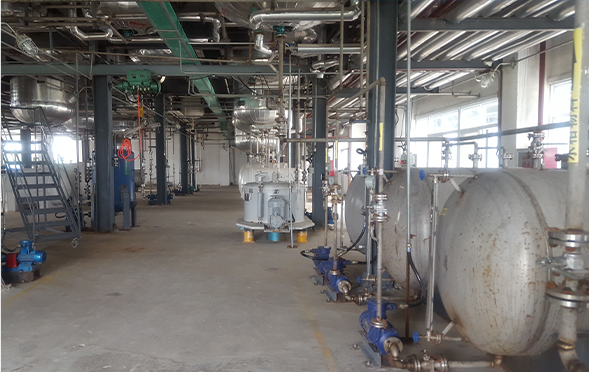
Manufacturing Facilities
Professional Export Experience
to Global Customers
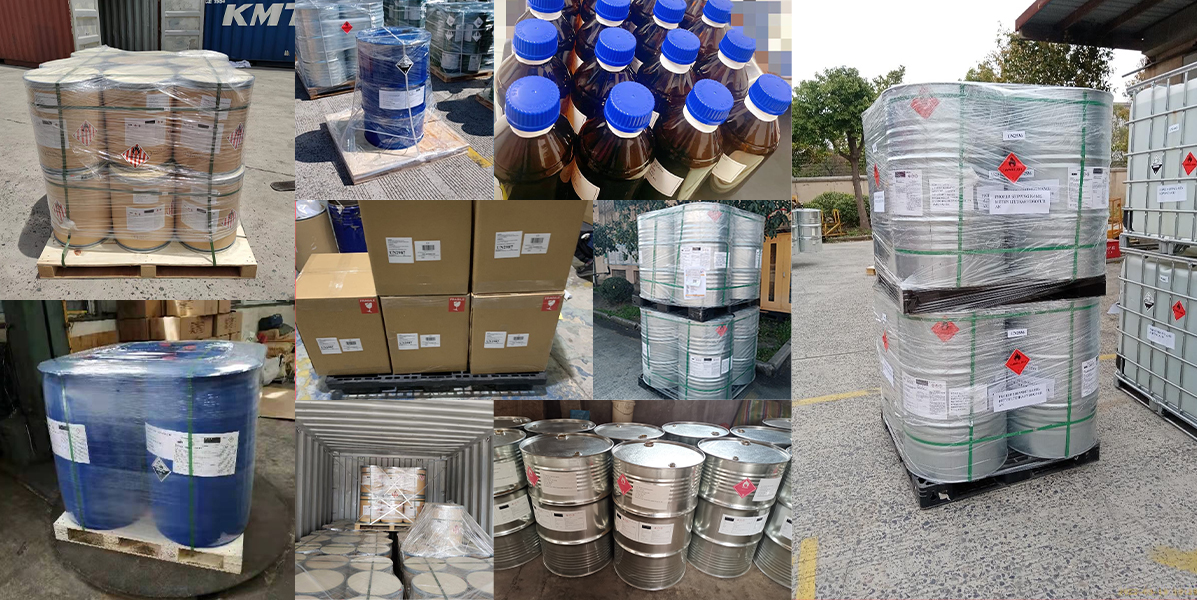
1. 20 years of R&D, manufacturing and sales experience, serving customers in 60 countries and regions around the world;
2. Own R&D laboratory, pilot platform and large-scale production workshop, which can meet the audit requirements of global customers;
3. We can satisfy customers' perfect transition from small scale lab requirements (gram level) to commercialization requirements (hundred tons level).
A: We don't have Minimum Order Quantity, exact quantity should be provided before quotation for us to calculate the exact cost.
A: We don't provide free samples due to lots of request and expensive international courier's cost, we can deduct the sample charge after commercial order placed.
A: Our payment terms: Small or sample order: T/T IN ADVANCE. Commercial order: First order should be by T/T IN ADVANCE or L/C at sight, and following orders T/T 30~90days is acceptable subject to approval of credit application.