
Custom Manufacturing, Project Outsourcing, your Trusted Partner from China
Ursodeoxycholic Acid (UDCA) is a fascinating molecule, recognized for its therapeutic benefits, particularly in liver health and gallstone management. Understanding its biochemical profile and how it is produced, both naturally and industrially, provides valuable insight into its role in medicine. This article delves into the chemistry of UDCA, its biosynthesis pathways, and the common methods for its industrial production, offering crucial information for those involved in sourcing or utilizing this important pharmaceutical ingredient.
The Chemistry of Ursodeoxycholic Acid:
Ursodeoxycholic acid (UDCA), with the chemical formula C24H40O4 and a molar mass of 392.580 g/mol, is a secondary bile acid. It is characterized by its hydrophilic nature, which distinguishes it from more hydrophobic bile acids. This hydrophilicity is attributed to the orientation of its hydroxyl groups, particularly the 7-hydroxyl group which is in the beta position. UDCA has a melting point of approximately 203-204 °C and a density of around 0.9985 g/cm³.
Biosynthesis of UDCA: A Collaborative Process:
In mammals, UDCA is primarily produced as a secondary bile acid through the metabolic action of intestinal bacteria on primary bile acids synthesized in the liver. The liver produces primary bile acids like cholic acid (CA) and chenodeoxycholic acid (CDCA) from cholesterol. Subsequently, gut bacteria, through enzymes like 7α- and 7β-hydroxysteroid dehydrogenases, epimerize the 7-hydroxy group of CDCA to produce UDCA. Certain bacterial genera, including Ruminococcus, Peptococcaceae, Roseburia, and Faecalibacterium prausnitzii, are known to be involved in this UDCA biosynthesis, highlighting the critical role of a healthy gut microbiome in maintaining adequate UDCA levels.
Industrial Production of Ursodeoxycholic Acid:
While UDCA is naturally present in human bile, the quantities are small. For pharmaceutical use, industrial production is essential. The most common method involves the semi-synthesis of UDCA from cholic acid (CA), which is typically derived from bovine bile—a byproduct of the beef industry. This process involves several chemical steps to convert CA into UDCA, with yields that are optimized through ongoing research and development.
Key Characteristics for Industrial Use:
When sourced for industrial applications, UDCA is typically specified by:
Conclusion:
Ursodeoxycholic Acid is a complex molecule with a dual origin – partly synthesized by the host and partly by the gut microbiome. Its industrial production from readily available natural sources ensures its widespread availability for critical medical applications. Understanding its biochemical properties and production pathways is key for ensuring the quality and efficacy of pharmaceutical products that rely on this vital bile acid. Sourcing high-purity UDCA from reputable manufacturers is the first step towards successful therapeutic outcomes.
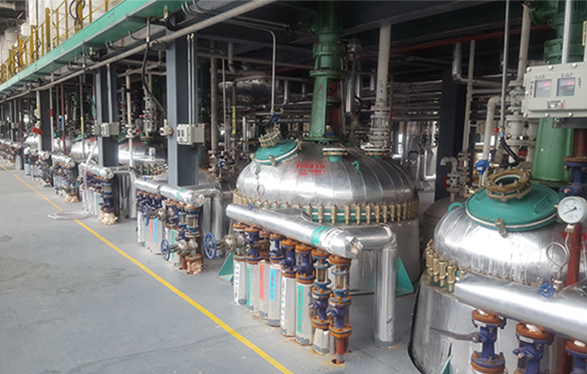
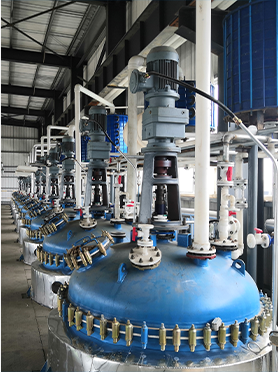
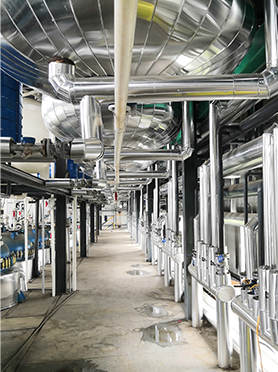
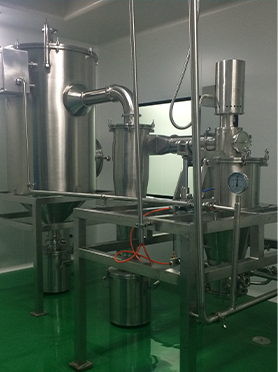
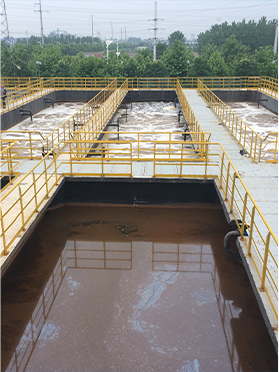
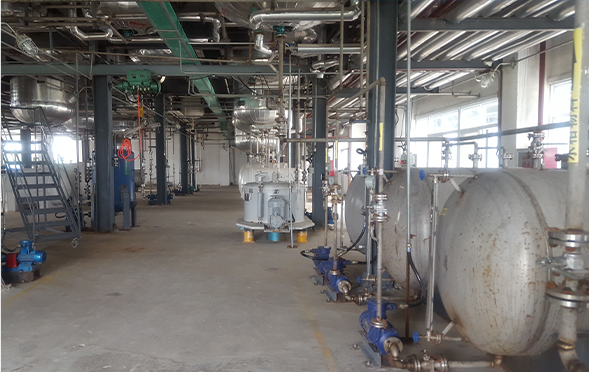
Manufacturing Facilities
Professional Export Experience
to Global Customers
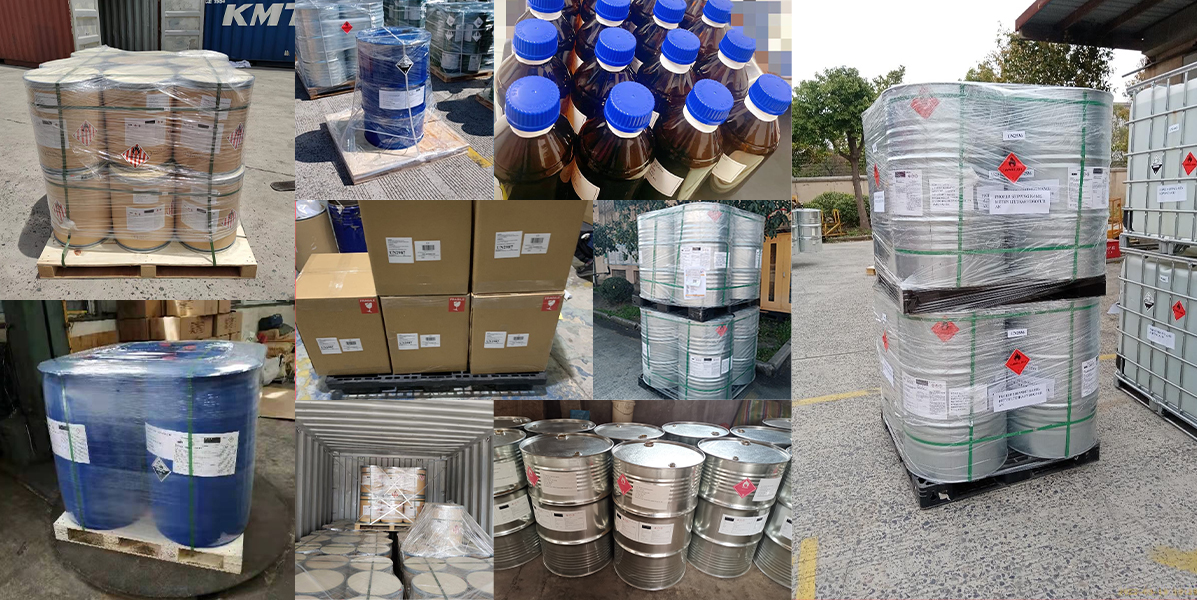
1. 20 years of R&D, manufacturing and sales experience, serving customers in 60 countries and regions around the world;
2. Own R&D laboratory, pilot platform and large-scale production workshop, which can meet the audit requirements of global customers;
3. We can satisfy customers' perfect transition from small scale lab requirements (gram level) to commercialization requirements (hundred tons level).
A: We don't have Minimum Order Quantity, exact quantity should be provided before quotation for us to calculate the exact cost.
A: We don't provide free samples due to lots of request and expensive international courier's cost, we can deduct the sample charge after commercial order placed.
A: Our payment terms: Small or sample order: T/T IN ADVANCE. Commercial order: First order should be by T/T IN ADVANCE or L/C at sight, and following orders T/T 30~90days is acceptable subject to approval of credit application.