20 YEARS OF PROFESSIONAL & DEDICATED SERVICE TO GLOBAL CUSTOMERS

Custom Manufacturing, Project Outsourcing, your Trusted Partner from China

Understanding 4-Bromo-2-nitroanisole: Properties, Characterization & Safety

In the realm of fine chemicals and organic synthesis, a thorough understanding of a compound's properties, analytical characterization, and safety protocols is crucial for effective utilization. 4-Bromo-2-nitroanisole (CAS: 33696-00-3) is a widely used intermediate, and grasping its characteristics is key for researchers, chemists, and procurement specialists. As a responsible supplier, we provide comprehensive insights into this compound.

Key Physical and Chemical Properties

4-Bromo-2-nitroanisole is typically described as a light yellow crystalline powder. Its key properties include:

  • Molecular Formula: C₇H₆BrNO₃
  • Molecular Weight: Approximately 232.03 g/mol
  • Melting Point: Typically reported in the range of 81-87 °C (though some sources indicate up to 100 °C, indicating potential purity variations). A sharp melting point range generally signifies high purity.
  • Appearance: Light yellow crystalline powder.
  • Solubility: Insoluble in water at room temperature, but soluble in many organic solvents, which is typical for compounds of this nature and facilitates its use in organic reactions.
  • Density: Around 1.640 g/cm³.
  • Boiling Point: Approximately 303.3 °C at 760 mmHg (predicted).
  • Flash Point: Around 137.2 °C.

These properties provide fundamental information for handling, storage, and its suitability for various reaction conditions.

Characterization Techniques: Ensuring Identity and Purity

Verifying the identity and purity of 4-Bromo-2-nitroanisole is essential for its reliable use in synthesis. Common analytical techniques employed include:

  • Nuclear Magnetic Resonance (NMR) Spectroscopy: Both ¹H NMR and ¹³C NMR are vital for confirming the molecular structure. The ¹H NMR spectrum will show characteristic signals for the aromatic protons and a singlet for the methoxy group protons. ¹³C NMR provides signals for each unique carbon atom, confirming the substitution pattern.
  • Mass Spectrometry (MS): MS is used to determine the molecular weight and fragmentation pattern. The presence of a single bromine atom is confirmed by the characteristic isotopic pattern (M⁺ and M+2 peaks of nearly equal intensity). High-resolution MS can provide precise elemental composition.
  • High-Performance Liquid Chromatography (HPLC): HPLC is the gold standard for assessing purity. Reverse-phase HPLC methods, often coupled with UV detection, can quantify the main compound and identify/quantify impurities, with purity typically specified as ≥98.0%.
  • Infrared (IR) Spectroscopy: IR spectroscopy confirms the presence of key functional groups, notably the strong absorption bands for the nitro group (~1520 cm⁻¹ and ~1340 cm⁻¹) and characteristic bands for the methoxy and C-Br bonds.
  • Melting Point Determination: As mentioned, a sharp melting point within the expected range is a strong indicator of purity.

These methods, when used in conjunction, provide irrefutable evidence of the compound's identity and purity.

Safety and Handling Considerations

Like many nitroaromatic compounds, 4-Bromo-2-nitroanisole requires careful handling. It is generally classified as an irritant.

  • Hazard Symbols: Often displays an 'Xi' (Irritant) symbol.
  • Handling: Avoid contact with skin, eyes, and clothing. Wear appropriate personal protective equipment (PPE), including gloves, eye protection, and protective clothing. Ensure adequate ventilation or use in a fume hood.
  • Storage: Store in a cool, well-ventilated place, away from heat and ignition sources. Keep containers tightly closed to prevent moisture absorption and degradation. Recommended storage conditions often specify refrigeration (2-8 °C) to maintain stability and prevent photolytic decomposition.
  • Disposal: Dispose of waste material in accordance with local, regional, and national regulations for chemical waste.

Understanding these properties and employing safe laboratory practices are paramount when working with 4-Bromo-2-nitroanisole. We are committed to providing not only high-quality chemical products but also the necessary information to ensure their safe and effective use. For detailed safety data sheets (SDS) and further technical inquiries, please contact us.

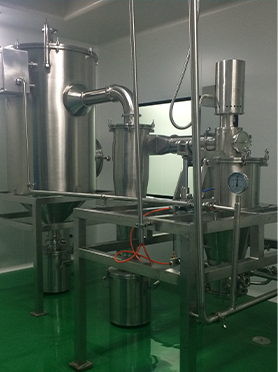
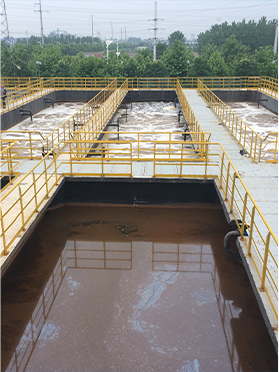
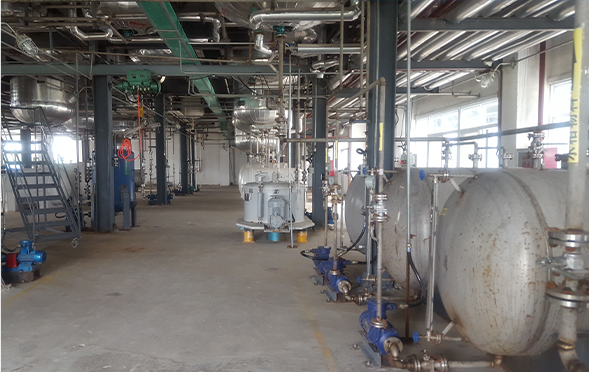
Manufacturing Facilities
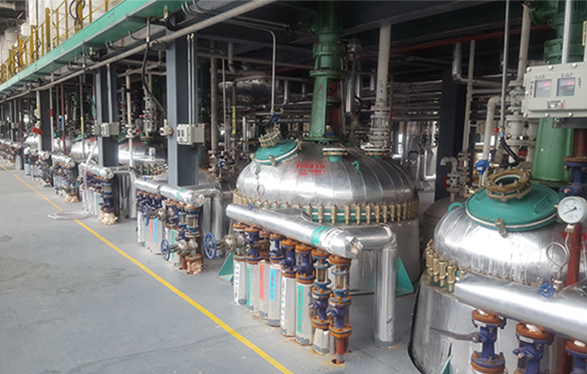
NINGBO INNO PHARMCHEM CO.,LTD. was established in 2007. It is committed to the R&D, production and sales of raw materials, pharmaceutical intermediates and fine chemicals. We striving to create a high-efficiency and high-quality integrated chemical service platform to better serve domestic and foreign customers.

Professional Export Experience

to Global Customers
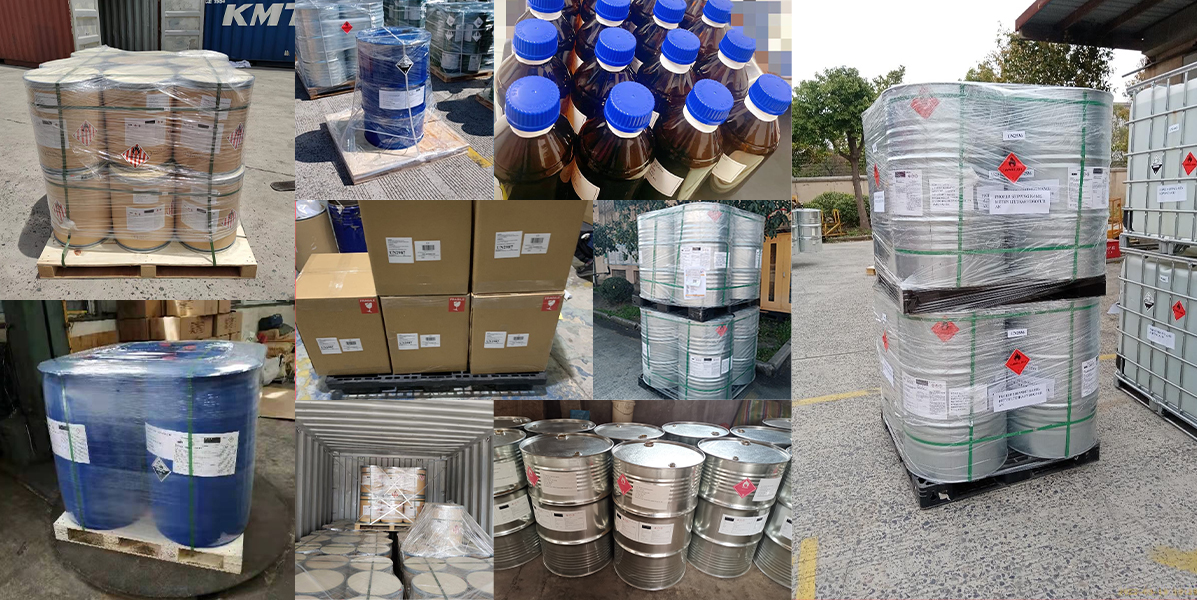
WHY CHOSE US?

1. 20 years of R&D, manufacturing and sales experience, serving customers in 60 countries and regions around the world;

2. Own R&D laboratory, pilot platform and large-scale production workshop, which can meet the audit requirements of global customers;

3. We can satisfy customers' perfect transition from small scale lab requirements (gram level) to commercialization requirements (hundred tons level).

FAQ

  • A: We don't have Minimum Order Quantity, exact quantity should be provided before quotation for us to calculate the exact cost.

  • A: We don't provide free samples due to lots of request and expensive international courier's cost, we can deduct the sample charge after commercial order placed.

  • A: Our payment terms: Small or sample order: T/T IN ADVANCE. Commercial order: First order should be by T/T IN ADVANCE or L/C at sight, and following orders T/T 30~90days is acceptable subject to approval of credit application.


CONTACT US
Should you need to contact us; you may call during regular business hours, Monday through Friday, 8am – 6 pm.
NINGBO INNO PHARMCHEM CO.,LTD.
Address: No.163 Ruiqing Rd.,Ningbo 315000 China
Phone: 86-574-87319282
Fax: 86-574-27912196
SEND US AN EMAIL

NAME*

EMAIL*

COMPANY

COUNTRY*

MESSAGE*

Previous: The Versatile Role of 4-Bromo-2-nitroanisole in Organic Synthesis

Next: The Essential Role of Taurine in Modern Nutrition and Pharmaceuticals

All Rights Reserved