Custom Manufacturing, Project Outsourcing, your Trusted Partner from China
In the complex world of chemical manufacturing, achieving high levels of product purity is often the defining factor for success, influencing everything from efficacy to market acceptance. Activated carbon, with its remarkable adsorptive properties, plays a pivotal role in these purification processes, especially for challenging contaminants like hydrogen chloride (HCl) and for decolorizing and purifying organic acids. For R&D scientists and formulation chemists, understanding how to leverage activated carbon is key to optimizing their chemical syntheses.
The fundamental principle behind activated carbon’s effectiveness is adsorption, where molecules of impurities or color bodies bind to the vast internal surface area of the carbon. This surface area, created through meticulous activation processes, offers numerous sites for both physical adsorption (physisorption) and chemical adsorption (chemisorption). For instance, in the purification of organic acids like formic or acetic acid, activated carbon can efficiently remove colorants and trace organic impurities, leading to a cleaner, more desirable end product. As a supplier of these specialized carbons, we aim to provide solutions that enhance your production quality.
When dealing with acidic environments, such as those involving hydrochloric acid (HCl) or sulfuric acid, specialized activated carbons are often required. These may include acid-washed grades designed to minimize leaching of soluble ash, which could otherwise contaminate the process stream. The selection of the appropriate activated carbon, whether granular, powdered, or pelletized, depends on the specific chemical, the nature of the impurities, and the processing equipment. Manufacturers offer a range of products with varying pore structures and surface chemistries to cater to these diverse needs.
For procurement professionals, sourcing these specialized materials involves identifying suppliers who can guarantee consistent product quality and reliable delivery. Companies in China are at the forefront of activated carbon production, offering advanced manufacturing capabilities and cost-effective solutions. When you intend to buy activated carbon for chemical purification, inquire about specifications like iodine number, surface area, particle size distribution, and resistance to acid degradation. Obtaining samples for laboratory testing is a crucial step to validate performance.
Beyond purification, activated carbon also serves as an essential catalyst support in many chemical reactions. Its inert yet highly porous structure allows for the uniform dispersion of active catalytic metals or compounds, enhancing reaction rates and selectivity. This dual role as an adsorbent and a catalyst support underscores its versatility in chemical processing. For those seeking to improve their chemical processes, partnering with an experienced manufacturer and supplier of activated carbon can provide access to technical expertise and a dependable supply chain, ultimately contributing to higher product quality and operational efficiency.
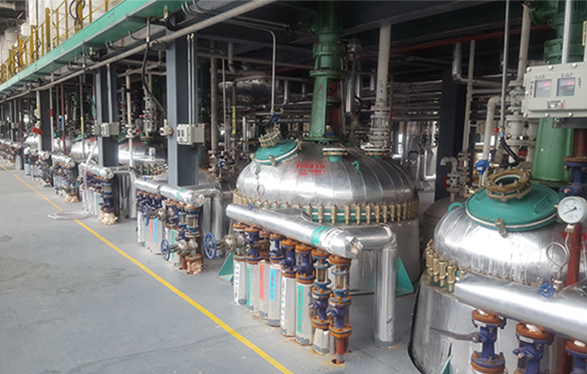
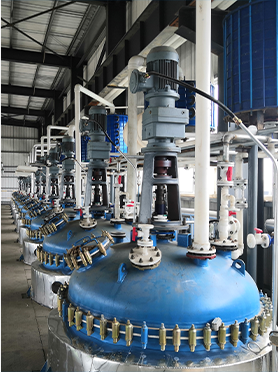
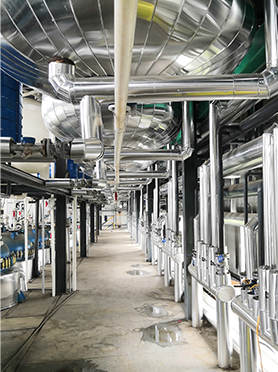
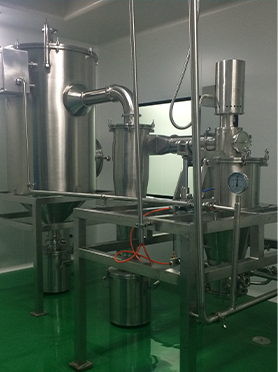
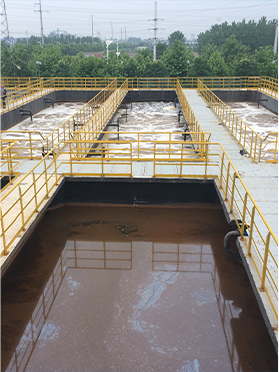
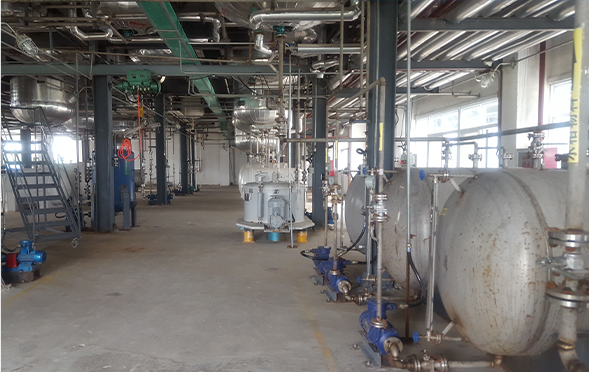
Manufacturing Facilities
Professional Export Experience
to Global Customers
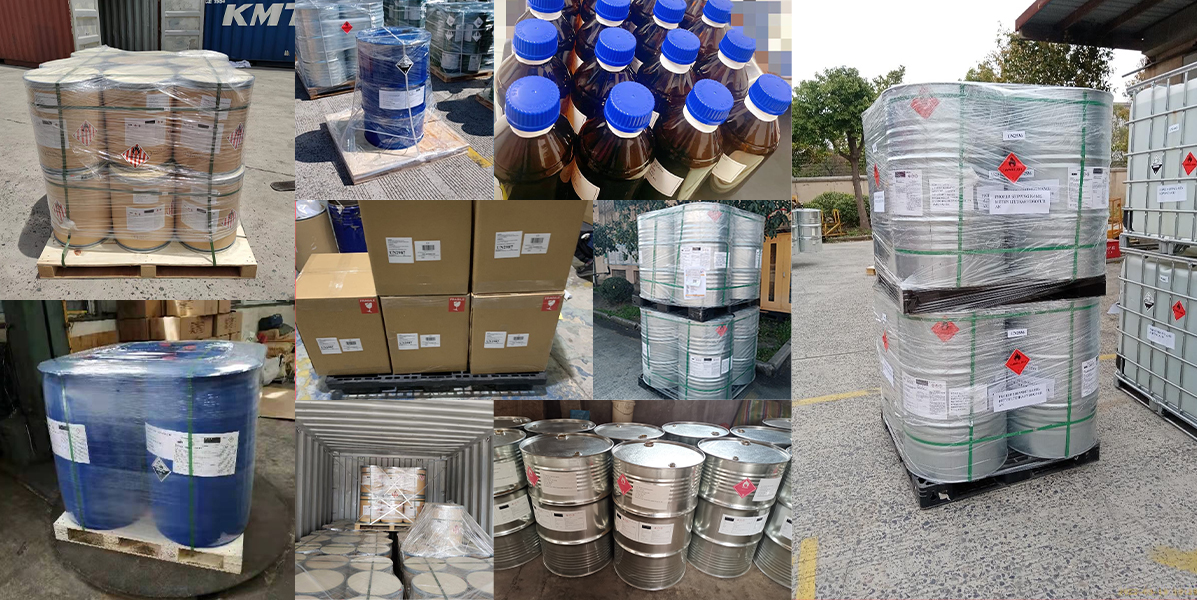
1. 20 years of R&D, manufacturing and sales experience, serving customers in 60 countries and regions around the world;
2. Own R&D laboratory, pilot platform and large-scale production workshop, which can meet the audit requirements of global customers;
3. We can satisfy customers' perfect transition from small scale lab requirements (gram level) to commercialization requirements (hundred tons level).
A: We don't have Minimum Order Quantity, exact quantity should be provided before quotation for us to calculate the exact cost.
A: We don't provide free samples due to lots of request and expensive international courier's cost, we can deduct the sample charge after commercial order placed.
A: Our payment terms: Small or sample order: T/T IN ADVANCE. Commercial order: First order should be by T/T IN ADVANCE or L/C at sight, and following orders T/T 30~90days is acceptable subject to approval of credit application.