
Custom Manufacturing, Project Outsourcing, your Trusted Partner from China
The cosmetic industry constantly seeks innovative and effective ingredients to meet consumer demand for brighter, more radiant skin. Arbutin, in its various forms, has become a cornerstone in many skin-brightening and hyperpigmentation-treating formulations. For product developers and procurement specialists, understanding the differences between Alpha Arbutin and Beta Arbutin is crucial for making informed sourcing decisions. This guide breaks down their properties, mechanisms, and why choosing the right form matters.
Arbutin, derived from plants like bearberry, acts as a key inhibitor of tyrosinase, the enzyme responsible for melanin production in the skin. This action helps to lighten dark spots, reduce hyperpigmentation, and promote a more even skin tone. While both Alpha Arbutin and Beta Arbutin share this fundamental function, their chemical structures lead to variations in stability, potency, and manufacturing processes.
Alpha Arbutin: The Advanced Choice
Alpha Arbutin is a synthesized compound, typically produced through an enzymatic process. This method yields a molecule with superior stability compared to its beta counterpart. This enhanced stability means Alpha Arbutin is less likely to degrade under various formulation conditions, ensuring its effectiveness is maintained throughout the product’s lifespan. Many studies indicate that Alpha Arbutin is more potent and delivers faster, more consistent results in reducing hyperpigmentation. For formulators looking to buy Alpha Arbutin, it represents a premium ingredient that offers reliability and high performance.
Beta Arbutin: The Natural Derivative
Beta Arbutin is the naturally occurring form of arbutin found in plants. While it also possesses skin-brightening properties by inhibiting tyrosinase, it is generally considered less stable and potentially less effective than Alpha Arbutin. Beta Arbutin may be more susceptible to degradation, which can impact its performance in formulations, especially those exposed to challenging environmental factors. However, it remains a viable ingredient, often found in more traditional skincare products. When sourcing Beta Arbutin, it’s important to partner with suppliers who can guarantee its quality and provide clear specifications.
Key Considerations for Formulators
When you decide to purchase arbutin, whether it's Alpha or Beta, always ensure you are working with a reputable manufacturer or supplier. Look for detailed specifications, including CAS numbers (e.g., 497-76-7 for Beta-Arbutin), purity assays (like ≥99.5%), and clear product descriptions. A reliable supplier will provide the necessary technical documentation and support to help you integrate the ingredient seamlessly into your product development pipeline.
In conclusion, while both Alpha and Beta Arbutin offer valuable skin-brightening benefits, Alpha Arbutin is often the preferred choice for modern cosmetic formulations due to its superior stability and potency. Understanding these distinctions empowers formulators to make informed decisions, ensuring the highest quality ingredients are selected for effective and competitive skincare products.
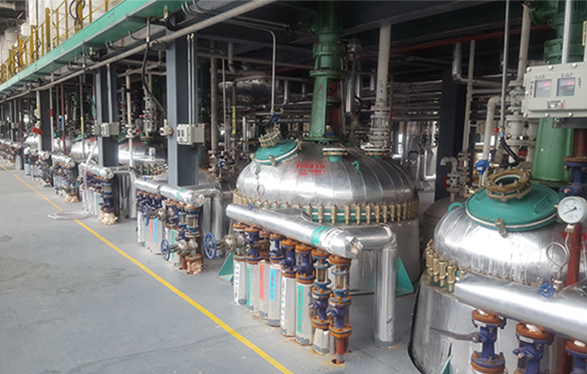
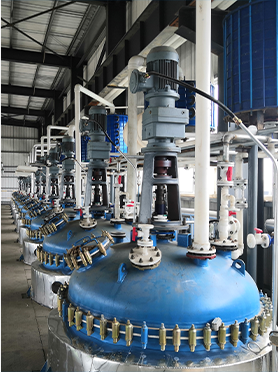
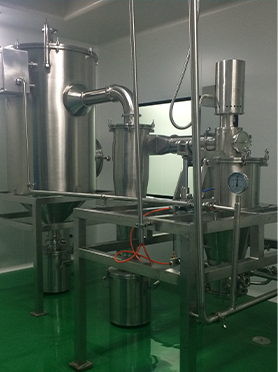
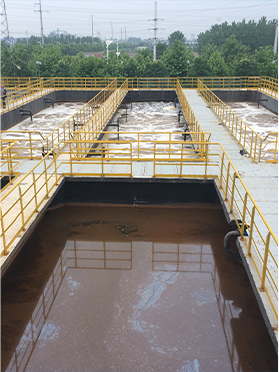
Manufacturing Facilities


Professional Export Experience
to Global Customers
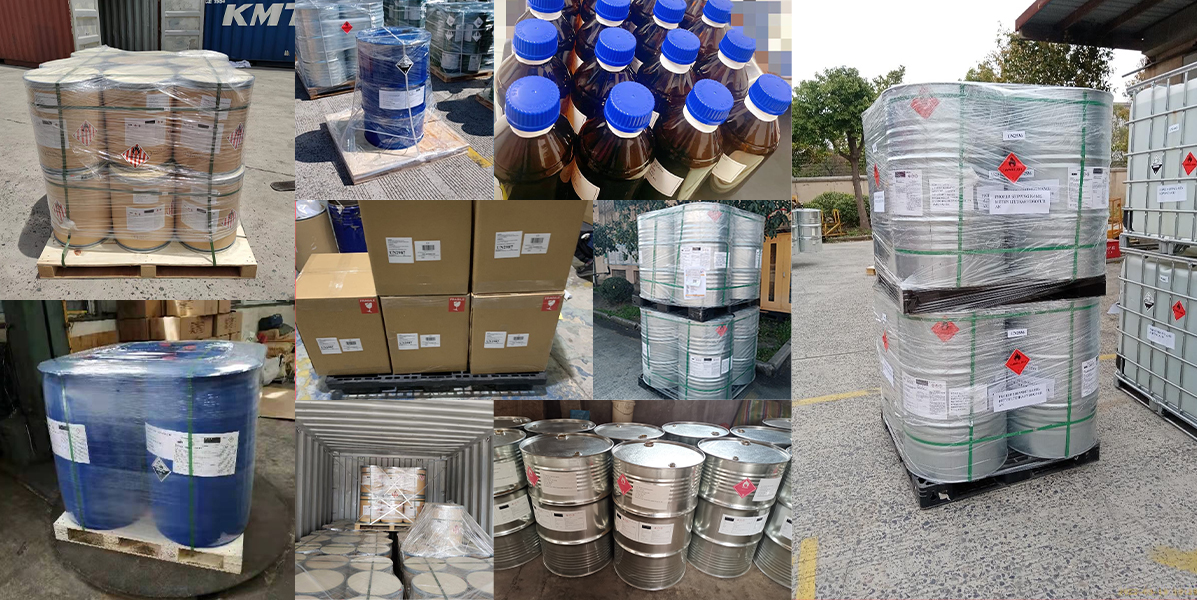
1. 20 years of R&D, manufacturing and sales experience, serving customers in 60 countries and regions around the world;
2. Own R&D laboratory, pilot platform and large-scale production workshop, which can meet the audit requirements of global customers;
3. We can satisfy customers' perfect transition from small scale lab requirements (gram level) to commercialization requirements (hundred tons level).
A: We don't have Minimum Order Quantity, exact quantity should be provided before quotation for us to calculate the exact cost.
A: We don't provide free samples due to lots of request and expensive international courier's cost, we can deduct the sample charge after commercial order placed.
A: Our payment terms: Small or sample order: T/T IN ADVANCE. Commercial order: First order should be by T/T IN ADVANCE or L/C at sight, and following orders T/T 30~90days is acceptable subject to approval of credit application.