Custom Manufacturing, Project Outsourcing, your Trusted Partner from China
In the vast and intricate world of chemistry, precise identification of substances is paramount. Whether you are a procurement manager sourcing raw materials or an R&D scientist researching new compounds, having a reliable way to identify specific chemicals is essential. This is where Chemical Abstracts Service (CAS) Registry Numbers, commonly known as CAS numbers, become indispensable tools.
What is a CAS Number?
A CAS number is a unique, numeric identifier assigned to every chemical substance described in the open scientific literature. Developed by the Chemical Abstracts Service, a division of the American Chemical Society, these numbers are not just arbitrary strings of digits. They are assigned chronologically and have no inherent chemical meaning; their sole purpose is unambiguous identification. A CAS number consists of three parts separated by hyphens, with the last digit being a check digit. For example, 3-Chloro-4-(trifluoromethyl)benzoyl Fluoride is identified by CAS Number 320-62-7.
Why are CAS Numbers Crucial for Procurement and Research?
For procurement managers and R&D scientists, CAS numbers offer several critical advantages:
How to Utilize CAS Numbers Effectively:
When sourcing chemicals, always look for the CAS number on product listings, safety data sheets, and supplier websites. If a CAS number is not readily available, especially for less common compounds, it's a red flag that warrants further investigation into the supplier's transparency and quality control. Many chemical suppliers, including those specializing in intermediates, will prominently display CAS numbers for their products.
For instance, when you contact a manufacturer to purchase 3-Chloro-4-(trifluoromethyl)benzoyl Fluoride, confirm that the CAS number 320-62-7 is indeed associated with the product they are offering. This simple step can prevent significant downstream issues.
Conclusion:
CAS numbers are fundamental tools for precision and safety in the chemical industry. They provide a universal language for chemical identification, facilitating accurate procurement, research, and regulatory compliance. By consistently utilizing CAS numbers like 320-62-7, procurement professionals and scientists can navigate the complexities of chemical sourcing with confidence, ensuring they acquire the exact compounds they need for their critical applications.
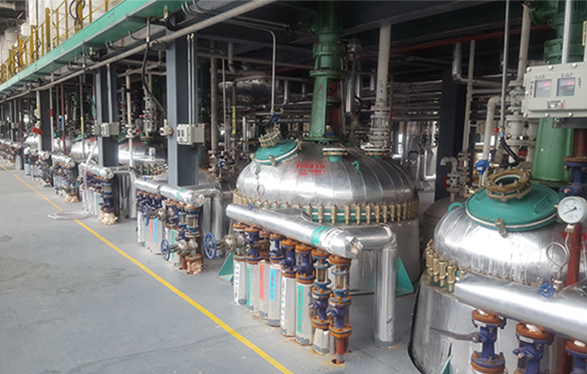
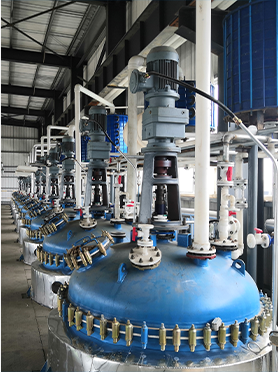
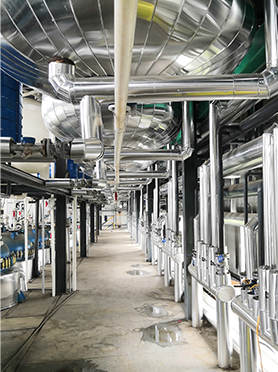
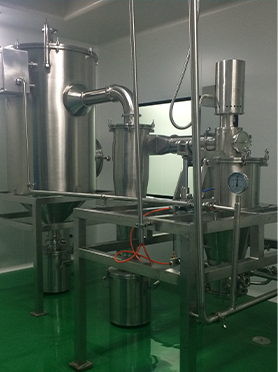
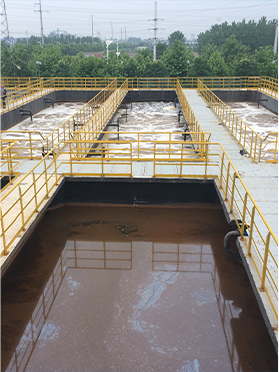
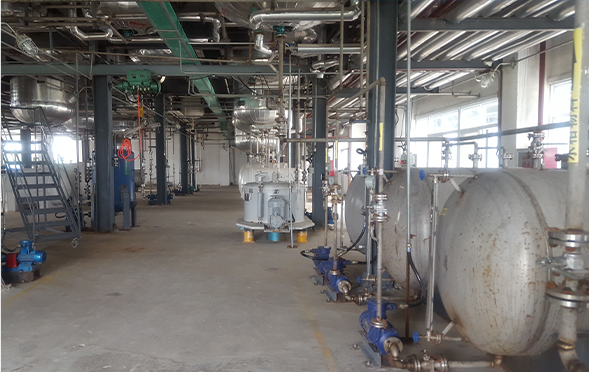
Manufacturing Facilities
Professional Export Experience
to Global Customers
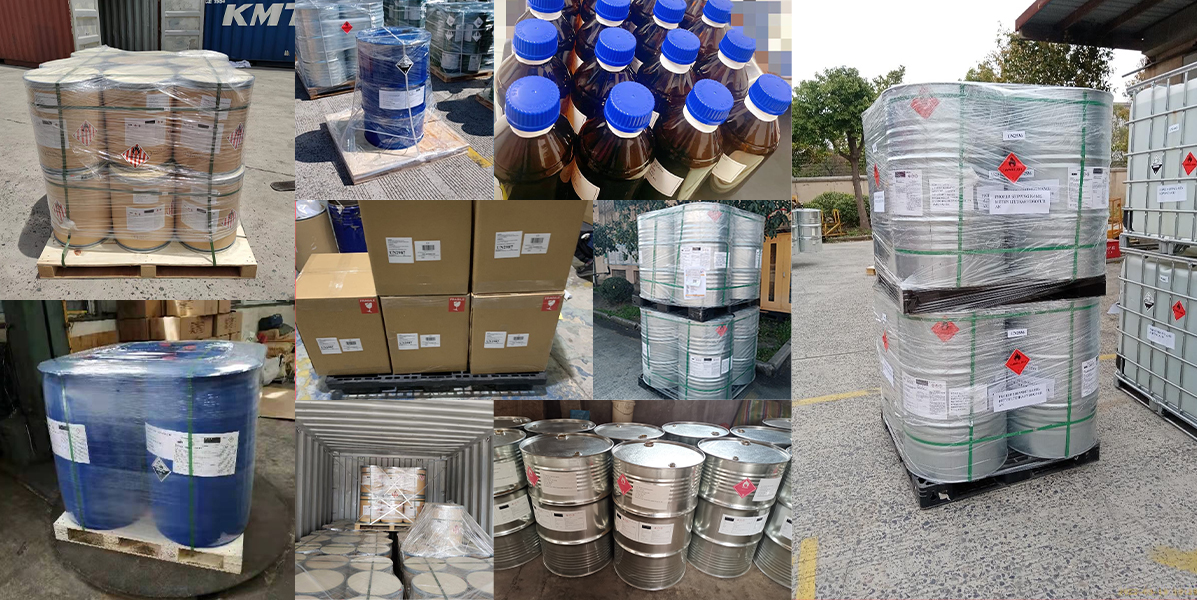
1. 20 years of R&D, manufacturing and sales experience, serving customers in 60 countries and regions around the world;
2. Own R&D laboratory, pilot platform and large-scale production workshop, which can meet the audit requirements of global customers;
3. We can satisfy customers' perfect transition from small scale lab requirements (gram level) to commercialization requirements (hundred tons level).
A: We don't have Minimum Order Quantity, exact quantity should be provided before quotation for us to calculate the exact cost.
A: We don't provide free samples due to lots of request and expensive international courier's cost, we can deduct the sample charge after commercial order placed.
A: Our payment terms: Small or sample order: T/T IN ADVANCE. Commercial order: First order should be by T/T IN ADVANCE or L/C at sight, and following orders T/T 30~90days is acceptable subject to approval of credit application.