
Custom Manufacturing, Project Outsourcing, your Trusted Partner from China
In the intricate world of the chemical industry, precise identification and clear communication are paramount. Whether you are a researcher developing new compounds, a procurement manager sourcing raw materials, or a regulatory specialist ensuring compliance, accurate chemical identification is non-negotiable. This is where the Chemical Abstracts Service (CAS) Registry Number, commonly known as the CAS number, plays a vital role. Every unique chemical substance is assigned a CAS number, serving as an unambiguous identifier that transcends nomenclature variations and language barriers.
A CAS number is a unique numeric identifier for chemical substances, registered in the CAS Chemical Registry. It consists of three parts separated by hyphens, with the final digit being a check digit. For example, the CAS number for 3-Bromo-2-chloro-5-(trifluoromethyl)pyridine is 71701-92-3. The CAS system is overseen by the Chemical Abstracts Service, a division of the American Chemical Society. Its primary advantage is its universality; regardless of how a chemical is named or referred to, its CAS number remains constant.
For procurement professionals, understanding and utilizing CAS numbers is a fundamental skill. When you need to buy a specific chemical, such as 3-Bromo-2-chloro-5-(trifluoromethyl)pyridine, using its CAS number, 71701-92-3, in your search query or request for quotation (RFQ) ensures that you are identifying the exact substance you require. This avoids confusion with similar-sounding chemicals or isomers, which can have vastly different properties and applications. It streamlines the process of contacting potential suppliers and manufacturers, as they can instantly verify the exact product being sought.
When you engage with a chemical supplier, providing the CAS number is essential for obtaining accurate pricing and availability information. It confirms that the supplier understands precisely which product you intend to purchase. Reputable chemical companies will prominently display CAS numbers on their product listings, technical datasheets, and Safety Data Sheets (SDS). If a supplier cannot readily provide a CAS number for a listed chemical, it may indicate a lack of standardization or a less reputable operation.
Furthermore, CAS numbers are invaluable for regulatory compliance. Many chemical regulations, safety protocols, and inventory management systems rely on CAS numbers for identification. For instance, when importing or exporting chemicals, or when dealing with hazardous materials, the CAS number is often a mandatory piece of information. Understanding how to find and use CAS numbers effectively can save significant time, prevent costly errors, and ensure that your chemical sourcing activities are both efficient and compliant.
In conclusion, the CAS number is a critical tool for anyone involved in the chemical industry. It serves as a universal language for chemical identification, facilitating clear communication, accurate sourcing, and regulatory adherence. By consistently using CAS numbers when you need to buy or inquire about chemicals like 3-Bromo-2-chloro-5-(trifluoromethyl)pyridine, you empower yourself to navigate the complex chemical marketplace with greater precision and confidence, ensuring you connect with the right manufacturers and suppliers for your specific needs.
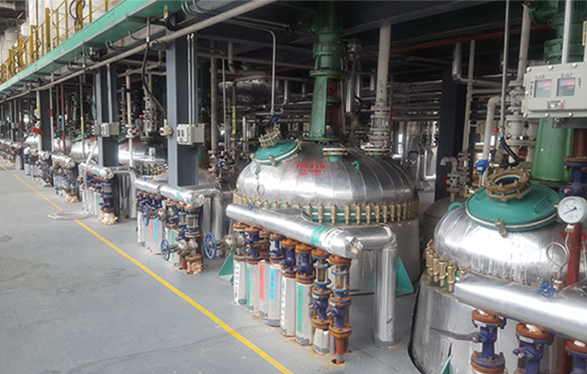
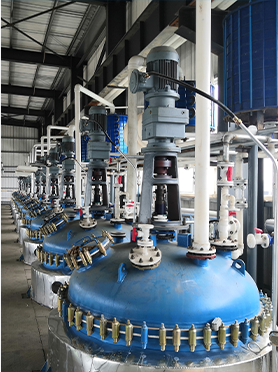
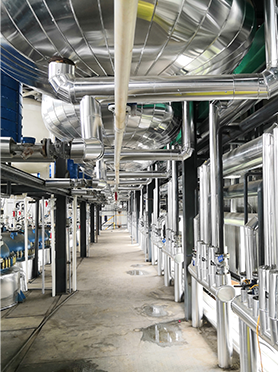
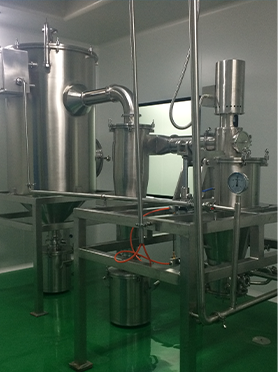
Manufacturing Facilities
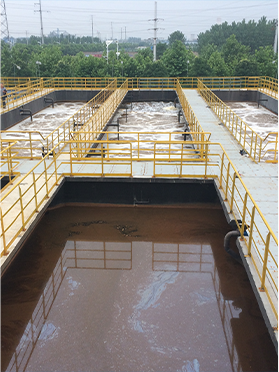
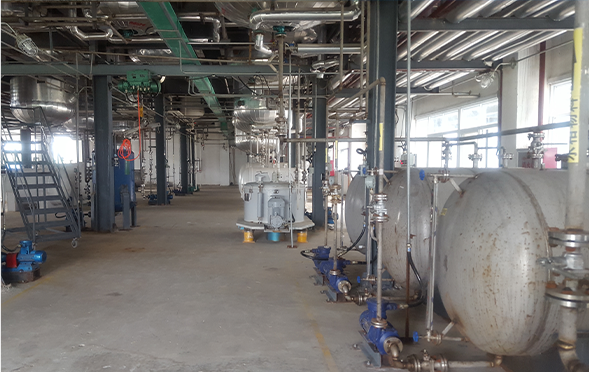
Professional Export Experience
to Global Customers
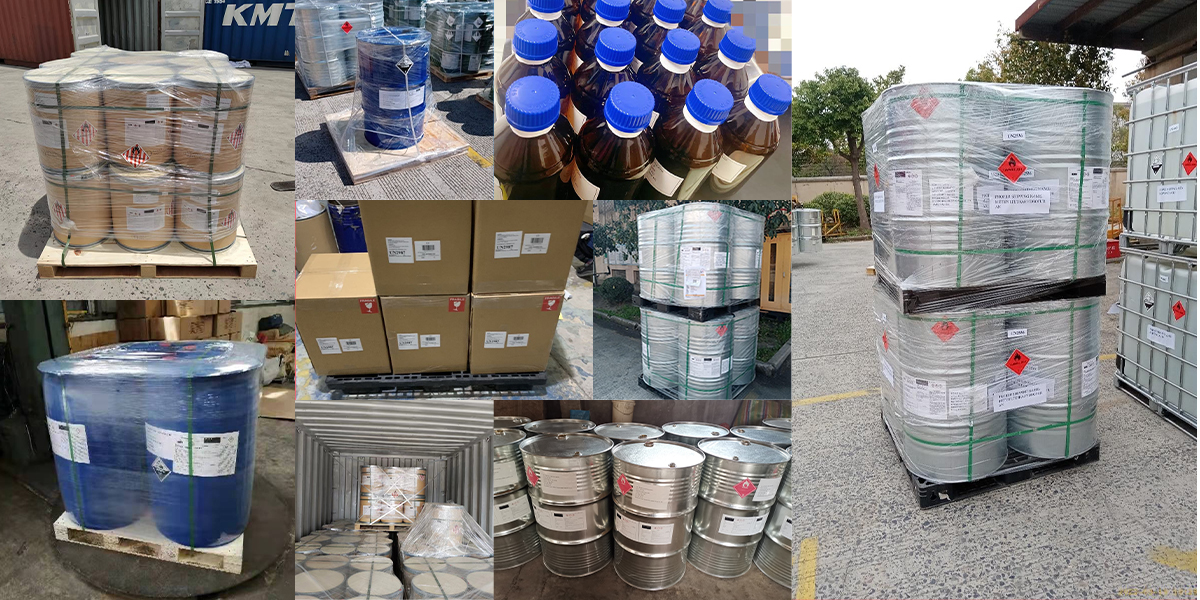
1. 20 years of R&D, manufacturing and sales experience, serving customers in 60 countries and regions around the world;
2. Own R&D laboratory, pilot platform and large-scale production workshop, which can meet the audit requirements of global customers;
3. We can satisfy customers' perfect transition from small scale lab requirements (gram level) to commercialization requirements (hundred tons level).
A: We don't have Minimum Order Quantity, exact quantity should be provided before quotation for us to calculate the exact cost.
A: We don't provide free samples due to lots of request and expensive international courier's cost, we can deduct the sample charge after commercial order placed.
A: Our payment terms: Small or sample order: T/T IN ADVANCE. Commercial order: First order should be by T/T IN ADVANCE or L/C at sight, and following orders T/T 30~90days is acceptable subject to approval of credit application.