
Custom Manufacturing, Project Outsourcing, your Trusted Partner from China
The chemical behavior of organic intermediates dictates their utility in synthesis and material design. 5-[4-(N-phenylanilino)phenyl]thiophene-2-carbaldehyde (CAS 291279-14-6) is a prime example of a molecule whose structure offers a rich landscape for chemical transformations. As a dedicated supplier of fine chemicals, NINGBO INNO PHARMCHEM CO.,LTD. provides this compound with detailed technical information to aid researchers and chemists in their work.
At the heart of its reactivity lies the aldehyde group (-CHO) attached to the thiophene ring. This functional group is highly electrophilic and readily participates in a variety of reactions. Condensation reactions are particularly important, where the aldehyde can react with amines to form imines (Schiff bases), with hydrazines to form hydrazones, or with active methylene compounds in Knoevenagel condensations. These reactions are fundamental for extending conjugation, building complex molecular architectures, and creating new materials with specific optical or electronic properties. For example, condensation with certain amines can lead to compounds suitable for fluorescent probes or components in organic electronic devices.
The thiophene ring itself, with its aromatic character, is also amenable to certain electrophilic aromatic substitution reactions, although the presence of the electron-donating diphenylamino group and the electron-withdrawing aldehyde group will influence regioselectivity and reactivity. Furthermore, the entire molecule's conjugated system, spanning the thiophene, phenyl, and diphenylamino groups, is crucial for its photophysical properties. Understanding these structure-property relationships is key when one decides to buy this intermediate for specific applications.
Characterization of 5-[4-(N-phenylanilino)phenyl]thiophene-2-carbaldehyde is typically performed using standard spectroscopic techniques. ¹H NMR spectroscopy will show characteristic signals for the aldehyde proton (typically around 9.8 ppm) and the aromatic protons across the different rings. ¹³C NMR will confirm the presence of the aldehyde carbonyl carbon and the various aromatic carbons. IR spectroscopy is useful for identifying the strong C=O stretching vibration of the aldehyde group (around 1680-1700 cm⁻¹). High-performance liquid chromatography (HPLC) or gas chromatography (GC) are employed for purity analysis. As a reliable supplier in China, we provide these technical details to ensure our customers can confidently procure and utilize our products.
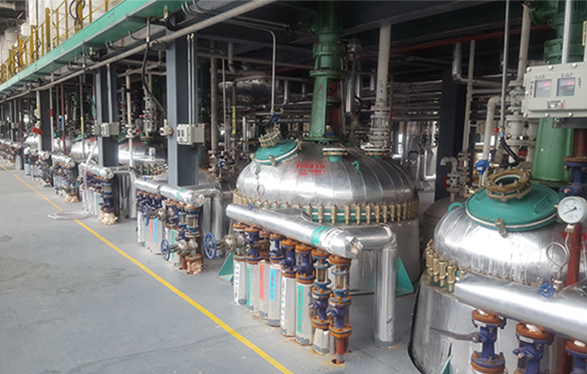
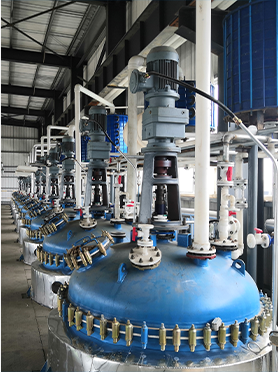
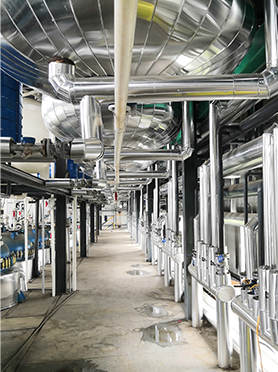
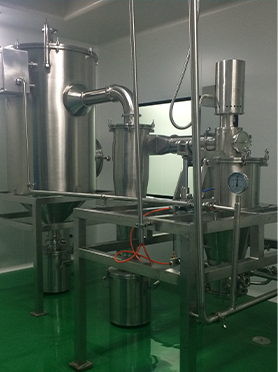
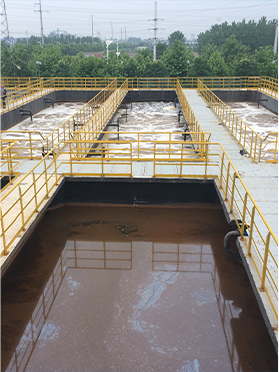
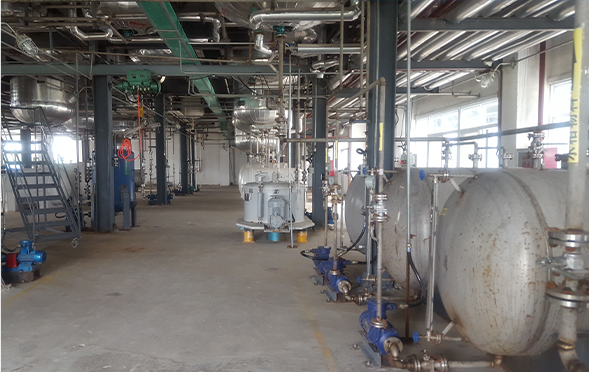
Manufacturing Facilities
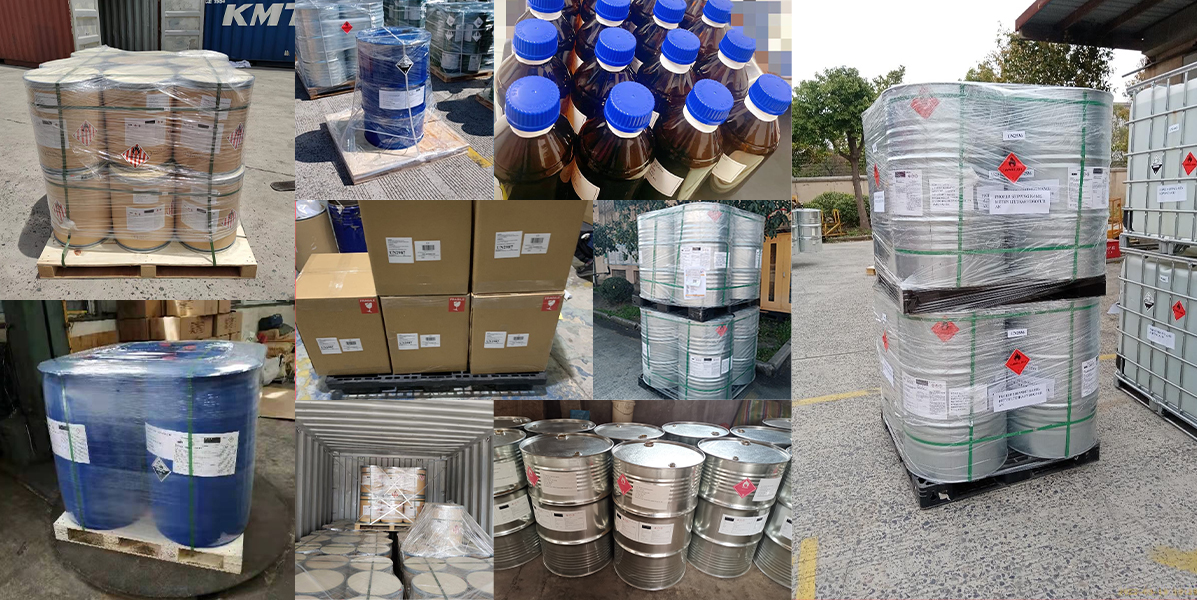
Professional Export Experience
to Global Customers
1. 20 years of R&D, manufacturing and sales experience, serving customers in 60 countries and regions around the world;
2. Own R&D laboratory, pilot platform and large-scale production workshop, which can meet the audit requirements of global customers;
3. We can satisfy customers' perfect transition from small scale lab requirements (gram level) to commercialization requirements (hundred tons level).
A: We don't have Minimum Order Quantity, exact quantity should be provided before quotation for us to calculate the exact cost.
A: We don't provide free samples due to lots of request and expensive international courier's cost, we can deduct the sample charge after commercial order placed.
A: Our payment terms: Small or sample order: T/T IN ADVANCE. Commercial order: First order should be by T/T IN ADVANCE or L/C at sight, and following orders T/T 30~90days is acceptable subject to approval of credit application.