
Custom Manufacturing, Project Outsourcing, your Trusted Partner from China
In the rigorous domain of pharmaceutical manufacturing, the concept of chemical purity is not merely a technical specification; it is a fundamental determinant of drug safety and efficacy. For every Active Pharmaceutical Ingredient (API) produced, its journey begins with a series of precisely manufactured chemical intermediates. The quality of these intermediates, particularly their purity, directly translates into the quality of the final drug product that eventually reaches patients. This principle is critically important when discussing intermediates for modern medications, such as the antihistamine Bilastine, and its key precursor, 2-[4-[1-(4,4-dimethyl-5H-oxazol-2-yl)-1-methyl-ethyl]phenyl]ethanol (CAS 361382-26-5).
What exactly does chemical purity mean in this context? It refers to the proportion of a target chemical compound within a sample, relative to any other substances present, known as impurities. Impurities can arise from various sources during synthesis, including unreacted starting materials, by-products from side reactions, residual solvents, or catalysts. For pharmaceutical intermediates, achieving a high level of purity is essential because these impurities can:
For an intermediate like 2-[4-[1-(4,4-dimethyl-5H-oxazol-2-yl)-1-methyl-ethyl]phenyl]ethanol, which is vital for Bilastine synthesis, manufacturers strive for exceptional purity. Assays of ≥98.0% are common, and for critical API synthesis, levels of ≥99.5% are often required. Achieving these high standards involves meticulous process control, careful selection of raw materials, optimized reaction conditions, and robust purification techniques such as recrystallization or chromatography. Furthermore, advanced analytical methods like High-Performance Liquid Chromatography (HPLC) and Gas Chromatography (GC) are employed to accurately quantify the purity and identify any trace impurities.
When procurement professionals and R&D scientists from pharmaceutical companies look to buy this intermediate, they will invariably inquire about the purity specifications and the analytical data supporting these claims. Requesting a Certificate of Analysis (CoA) from a potential supplier is a standard practice. This document details the purity of the compound, the methods used for its determination, and a profile of identified impurities. Understanding these specifications is crucial for selecting a reliable manufacturer, especially when procuring from international suppliers where direct oversight might be limited.
In essence, the pursuit of chemical purity for pharmaceutical intermediates is a non-negotiable aspect of drug development and manufacturing. For 2-[4-[1-(4,4-dimethyl-5H-oxazol-2-yl)-1-methyl-ethyl]phenyl]ethanol, high purity ensures that the downstream synthesis of Bilastine proceeds efficiently and results in a safe, effective, and regulatory-compliant API. Manufacturers who invest in advanced analytical capabilities and stringent process controls are invaluable partners for the pharmaceutical industry.
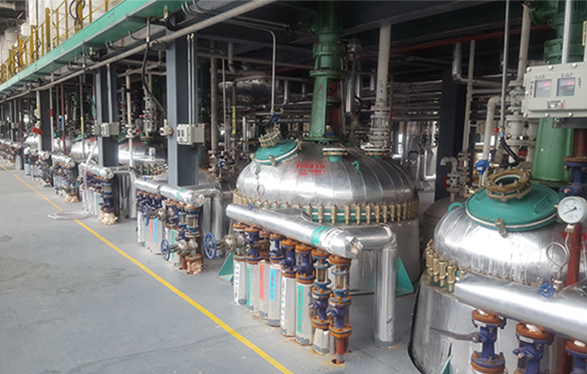
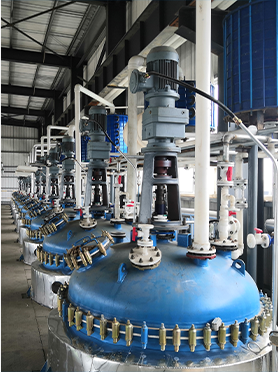
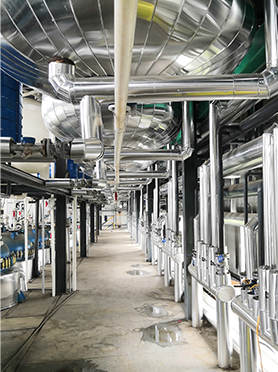
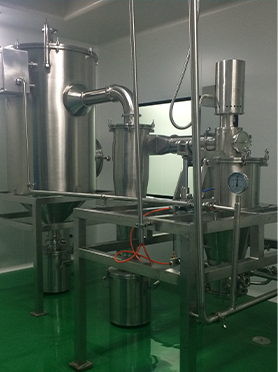
Manufacturing Facilities
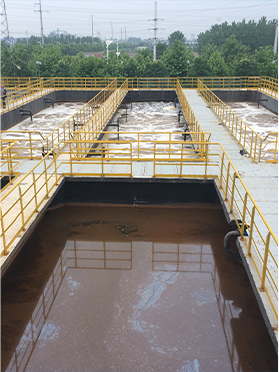
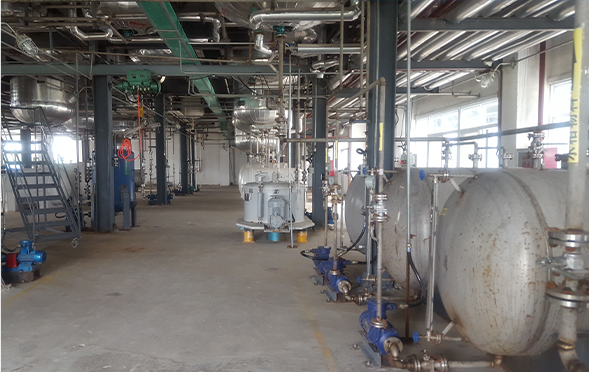
Professional Export Experience
to Global Customers
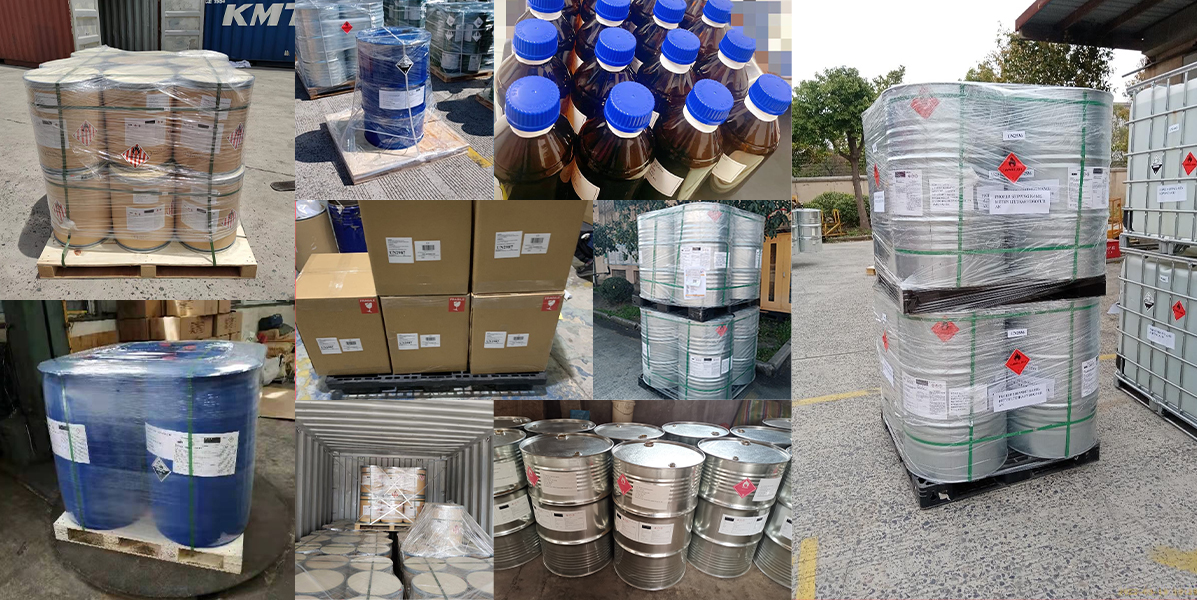
1. 20 years of R&D, manufacturing and sales experience, serving customers in 60 countries and regions around the world;
2. Own R&D laboratory, pilot platform and large-scale production workshop, which can meet the audit requirements of global customers;
3. We can satisfy customers' perfect transition from small scale lab requirements (gram level) to commercialization requirements (hundred tons level).
A: We don't have Minimum Order Quantity, exact quantity should be provided before quotation for us to calculate the exact cost.
A: We don't provide free samples due to lots of request and expensive international courier's cost, we can deduct the sample charge after commercial order placed.
A: Our payment terms: Small or sample order: T/T IN ADVANCE. Commercial order: First order should be by T/T IN ADVANCE or L/C at sight, and following orders T/T 30~90days is acceptable subject to approval of credit application.