
Custom Manufacturing, Project Outsourcing, your Trusted Partner from China
For chemists and product formulators, a deep understanding of the chemical composition and behavior of additives is fundamental to developing high-performance materials. Butylated Triphenyl Phosphate Ester (BPDP), identified by its CAS number 56803-37-3, is an organophosphorus compound whose unique structure dictates its valuable properties as a flame retardant and plasticizer. This article aims to provide a detailed look into the chemistry of BPDP and explain how its molecular characteristics translate into specific applications in the polymer industry. For those looking to buy BPDP, understanding these nuances is key to making informed purchasing decisions.
BPDP is a type of triaryl phosphate ester. Its molecular structure is derived from phosphoric acid, where the hydrogen atoms have been substituted with aryl groups (phenyl rings) and alkyl groups (specifically, tert-butyl groups). The typical composition of commercial BPDP includes a mixture of related phosphate esters, primarily: Tert-Butylphenyl Diphenyl Phosphate (the main component, often around 40-46%), Di-tert-butylphenyl phenyl phosphate (12-18%), Tris(t-butylphenyl) phosphate (1-3%), and Triphenyl Phosphate (often present as a co-product, 30-45%). This precise blend of components is engineered to optimize its performance characteristics, including flame retardancy, thermal stability, and compatibility with various polymers. As a manufacturer, we ensure our BPDP meets these exacting specifications.
The phosphorus content in BPDP is a critical factor in its flame retardant mechanism. During combustion, organophosphorus compounds like BPDP tend to decompose into phosphoric acid or polyphosphoric acid. These acidic species act in the condensed phase, promoting char formation on the surface of the polymer. This char layer acts as a physical barrier, insulating the underlying material from heat and oxygen, and preventing the release of flammable volatile gases. This condensed-phase mechanism is generally considered more environmentally benign than the gas-phase radical scavenging typical of halogenated flame retardants. For chemists seeking effective flame retardant solutions, the chemistry of phosphorus is a powerful tool.
Beyond flame retardancy, BPDP's structure also imparts plasticizing properties. The relatively bulky tert-butyl groups and the phenyl rings contribute to its molecular weight and polarity, allowing it to interact with polymer chains and reduce the glass transition temperature (Tg). This makes the polymer more flexible and easier to process. Its excellent compatibility with polymers like PVC, modified PPO, and PC/ABS alloys is a direct consequence of its molecular structure, which allows for favorable intermolecular interactions with these polymer chains. This compatibility ensures that the additive is well-dispersed, leading to uniform properties throughout the material. When you are looking to purchase BPDP, our expertise as a manufacturer ensures you receive a product that integrates seamlessly into your formulations.
The high thermal stability of BPDP is also a function of its chemical structure, particularly the strong carbon-phosphorus and carbon-oxygen bonds. This stability is vital for applications involving high processing temperatures. Its low volatility, another key specification, means it remains within the polymer matrix during processing and throughout the product's lifespan, ensuring sustained flame retardancy and plasticization. For R&D scientists and procurement managers, understanding this chemistry allows for precise application development. We, as a leading supplier and manufacturer of BPDP, are dedicated to providing detailed technical information and high-quality products to meet the rigorous demands of the chemical and polymer industries. Contact us to discuss your specific formulation needs and to receive a quote for our premium BPDP.
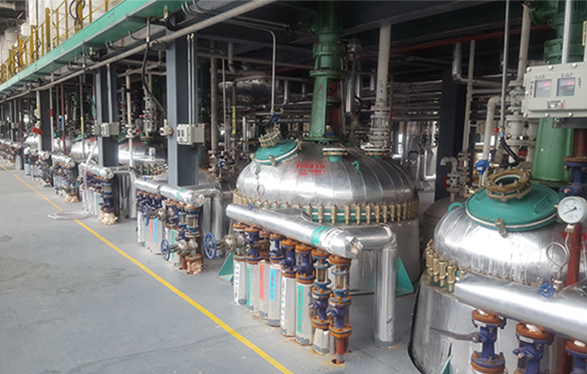
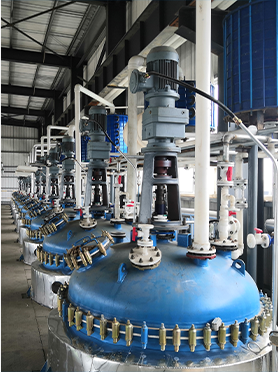
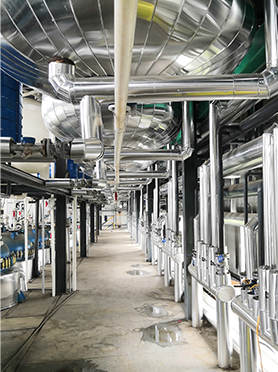
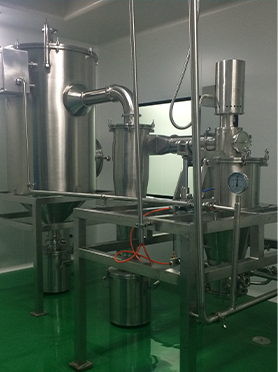
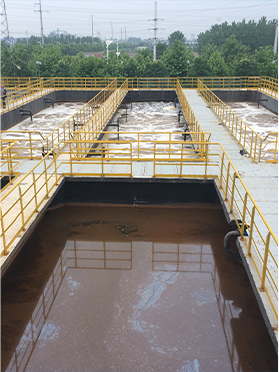
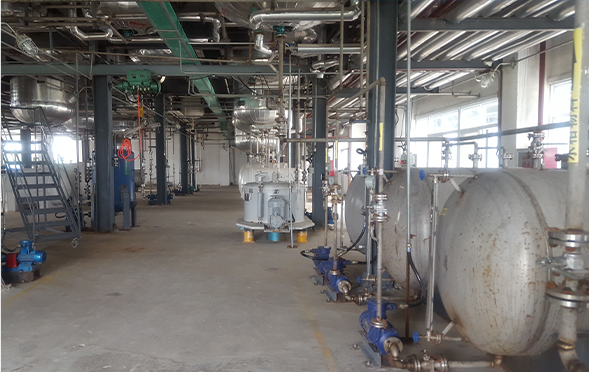
Manufacturing Facilities
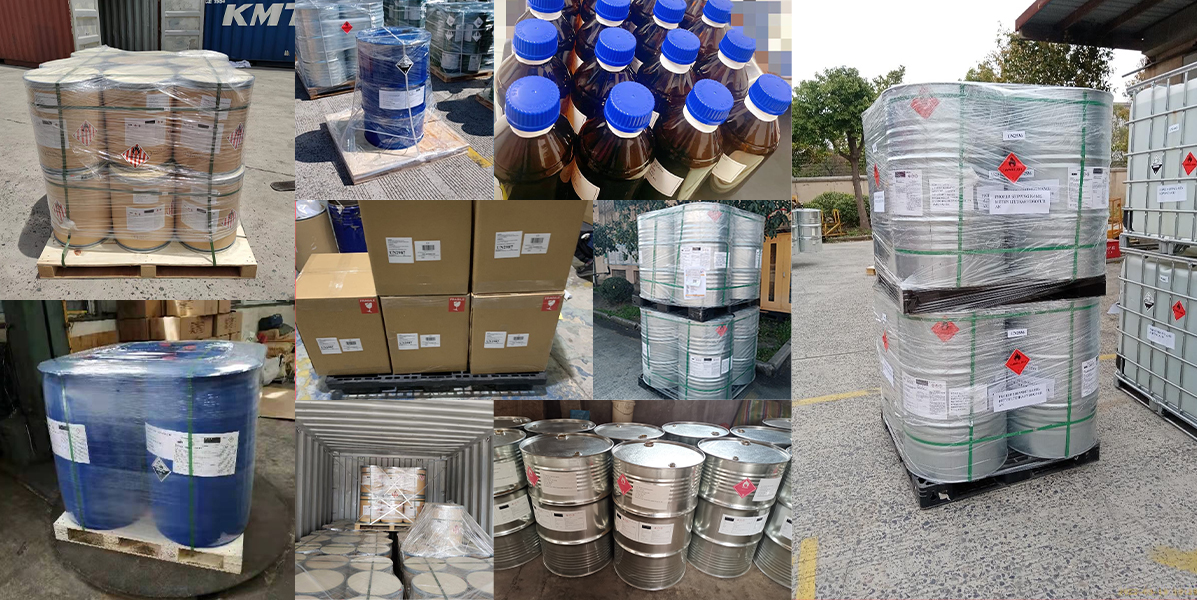
Professional Export Experience
to Global Customers
1. 20 years of R&D, manufacturing and sales experience, serving customers in 60 countries and regions around the world;
2. Own R&D laboratory, pilot platform and large-scale production workshop, which can meet the audit requirements of global customers;
3. We can satisfy customers' perfect transition from small scale lab requirements (gram level) to commercialization requirements (hundred tons level).
A: We don't have Minimum Order Quantity, exact quantity should be provided before quotation for us to calculate the exact cost.
A: We don't provide free samples due to lots of request and expensive international courier's cost, we can deduct the sample charge after commercial order placed.
A: Our payment terms: Small or sample order: T/T IN ADVANCE. Commercial order: First order should be by T/T IN ADVANCE or L/C at sight, and following orders T/T 30~90days is acceptable subject to approval of credit application.