Understanding Coal Tar: Properties, Uses, and Safety in Manufacturing
Coal tar is a complex liquid derived from the distillation of coal, playing a significant role as a chemical feedstock in numerous industries. Its distinctive black color and liquid state are immediate visual identifiers.
The chemical composition of coal tar is rich and varied, containing a multitude of aromatic hydrocarbons. Understanding its typical properties is crucial for effective industrial application. For instance, its melting point can range broadly from 30-180 °C, and it has a boiling point exceeding 250 °C. These characteristics make it suitable for processes that require elevated temperatures. As a key intermediate, understanding the coal tar chemical properties is vital for optimizing its use.
The industrial applications of coal tar are extensive. It is widely recognized for its utility in the manufacture of dyes, pigments, and plastics. These sectors rely on coal tar as a foundational material for creating a vast array of products that color and shape our modern world. For example, many synthetic dyes trace their origins back to coal tar derivatives. Furthermore, coal tar can also be utilized for energy extraction, adding another dimension to its industrial value.
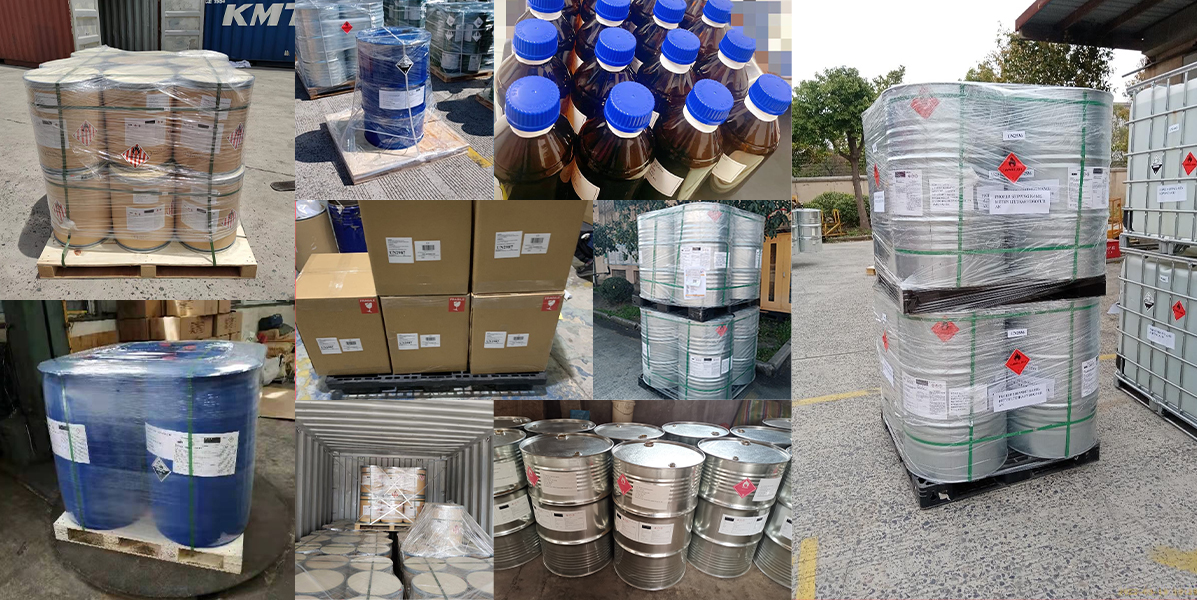
When considering coal tar industrial applications, it's important to address safety. Coal tar is recognized as a complex mixture containing polycyclic aromatic hydrocarbons (PAHs), some of which are known carcinogens. Therefore, proper handling, storage, and personal protective equipment are paramount for workers. This emphasizes the importance of adhering to safety guidelines when using coal tar products.
In summary, coal tar is a cornerstone material in industrial chemistry. Its diverse uses in manufacturing, from producing vibrant colors to creating essential plastics, underscore its importance. However, responsible use, guided by an understanding of its properties and potential hazards, is key. By focusing on the coal tar origin and composition, manufacturers can better leverage its benefits while ensuring safe operations. The demand for reliable coal tar suppliers ensures that this material continues to fuel innovation across various sectors.