
Custom Manufacturing, Project Outsourcing, your Trusted Partner from China
In the world of polymer additives, plasticizers play a pivotal role in imparting flexibility, durability, and workability to otherwise rigid materials. For decades, phthalate-based plasticizers dominated the market. However, growing awareness and regulatory changes have spurred the development and adoption of alternatives, with Di-isononyl cyclohexane-1,2-dicarboxylate (DINCH) leading the charge. This article delves into the core properties of DINCH and its extensive applications, providing essential information for procurement managers, R&D scientists, and formulators.
DINCH, a diester of 1,2-cyclohexanedicarboxylic acid and isononyl alcohol, is a clear, colorless, and nearly odorless liquid. Its molecular formula is C26H46O4, and it carries the CAS number 166412-78-8. Unlike traditional phthalates, DINCH features a saturated cyclohexane ring, which contributes to its stability and favorable toxicological profile. This structural difference is fundamental to its positioning as a safer alternative for sensitive applications.
One of the most significant advantages of DINCH is its compatibility with a wide range of polymers, most notably Polyvinyl Chloride (PVC). When used as a plasticizer for PVC, DINCH efficiently reduces the glass transition temperature (Tg) of the polymer, thereby increasing its flexibility and reducing its hardness. This makes it an ideal additive for creating soft and pliable PVC products. Formulators can achieve desired material properties by adjusting the concentration of DINCH in their formulations, a process that can be efficiently managed when sourcing from a reliable manufacturer.
The performance benefits of DINCH are numerous. It exhibits excellent low-temperature flexibility, meaning that plasticized products retain their pliability even at reduced temperatures. This characteristic is highly valued in applications such as outdoor goods, automotive interiors, and refrigeration seals. Furthermore, DINCH demonstrates good resistance to extraction by water and certain solvents, contributing to the durability and longevity of finished articles. For companies aiming to purchase DINCH, understanding these performance nuances is key to selecting the right grade for their specific needs.
The safety profile of DINCH is a major selling point. It has undergone extensive toxicological evaluation and has been approved by regulatory bodies for use in sensitive applications, including toys, food packaging, and medical devices. For instance, in the European Union, it is authorized for food contact materials under Regulation (EU) No 10/2011. This broad regulatory acceptance allows manufacturers to confidently integrate DINCH into their product lines, reducing the risk of non-compliance and enhancing consumer trust. When you buy DINCH, you are investing in a material that prioritizes safety.
Key applications where DINCH shines include:
Procurement professionals looking to source DINCH can find numerous suppliers globally. However, for consistent quality, competitive pricing, and reliable supply, considering manufacturers and suppliers based in China can be advantageous. These suppliers often offer high purity grades (e.g., ≥99.5%) and can handle large-scale orders, making them ideal partners for industrial production. Requesting a quote from a reputable DINCH manufacturer is the first step towards optimizing your supply chain.
In conclusion, Di-isononyl cyclohexane-1,2-dicarboxylate is a versatile and safe plasticizer that has become indispensable in modern product manufacturing. Its unique chemical structure, excellent performance characteristics, and favorable regulatory status make it a superior alternative to traditional phthalates. For any company involved in the production of flexible PVC products, understanding and sourcing DINCH from a trusted supplier is a strategic imperative for innovation and market success.
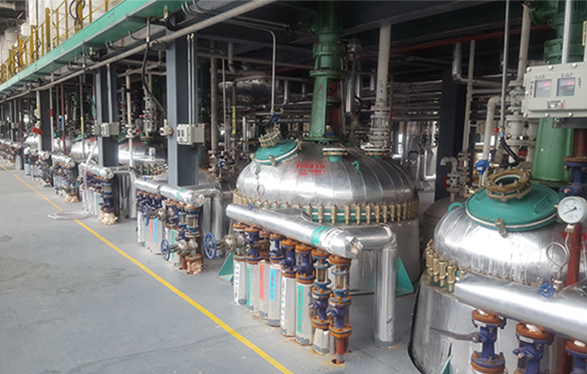
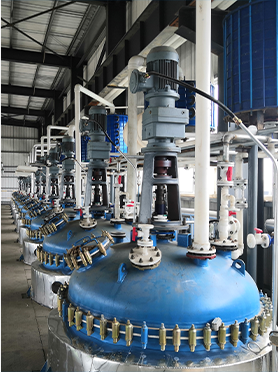
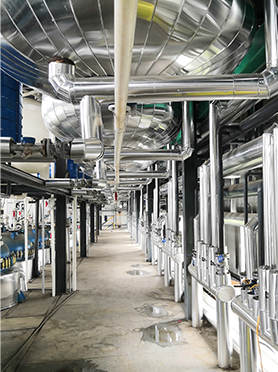
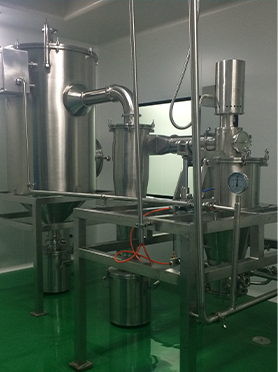
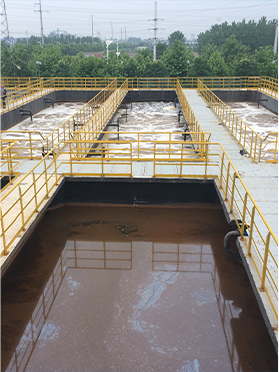
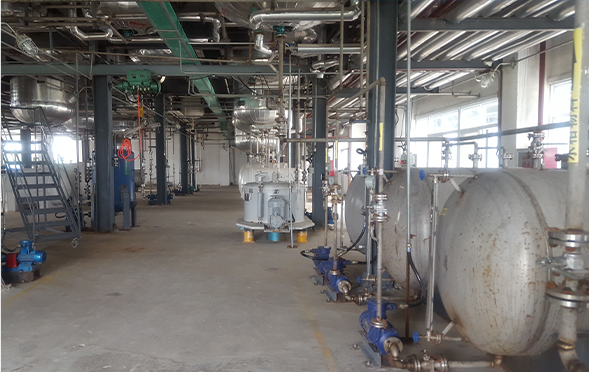
Manufacturing Facilities
Professional Export Experience
to Global Customers
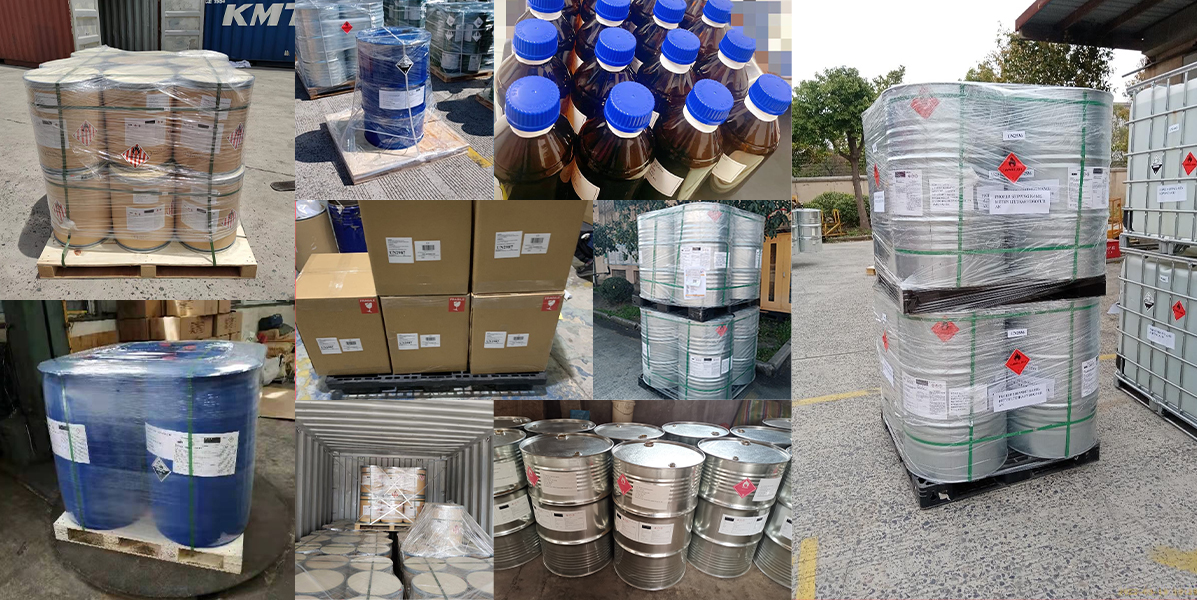
1. 20 years of R&D, manufacturing and sales experience, serving customers in 60 countries and regions around the world;
2. Own R&D laboratory, pilot platform and large-scale production workshop, which can meet the audit requirements of global customers;
3. We can satisfy customers' perfect transition from small scale lab requirements (gram level) to commercialization requirements (hundred tons level).
A: We don't have Minimum Order Quantity, exact quantity should be provided before quotation for us to calculate the exact cost.
A: We don't provide free samples due to lots of request and expensive international courier's cost, we can deduct the sample charge after commercial order placed.
A: Our payment terms: Small or sample order: T/T IN ADVANCE. Commercial order: First order should be by T/T IN ADVANCE or L/C at sight, and following orders T/T 30~90days is acceptable subject to approval of credit application.