
Custom Manufacturing, Project Outsourcing, your Trusted Partner from China
For professionals involved in the selection and application of epoxy resins, understanding key technical specifications is crucial for successful formulation and optimal product performance. One such critical parameter is the Epoxy Equivalent Weight (EEW). This metric provides insight into the reactivity and stoichiometry of an epoxy resin, directly influencing cure rates, crosslink density, and ultimately, the final properties of the cured material. For a versatile cycloaliphatic epoxy like Diglycidyl 1,2-cyclohexanedicarboxylate (CAS 5493-45-8), understanding its EEW is fundamental.
The Epoxy Equivalent Weight (EEW) of an epoxy resin is defined as the mass of the resin (in grams) that contains one mole of epoxy groups. In simpler terms, it represents the weight of resin that will react with one mole of a curing agent. For Diglycidyl 1,2-cyclohexanedicarboxylate, typical specifications often range between 150.0 to 180.0 g/Eq. This relatively moderate EEW indicates a good balance of reactivity and molecular weight, making it suitable for a wide array of curing agents and applications.
Why is EEW so important for formulators and procurement managers? Knowing the EEW allows for precise calculation of the stoichiometric ratio between the epoxy resin and the curing agent. An accurate stoichiometric ratio is vital for achieving complete curing, maximizing the crosslink density, and thus realizing the full potential of the resin's properties, such as mechanical strength, thermal resistance, and chemical durability. Deviations from the optimal ratio can lead to undercured or overcured products, compromising performance.
For Diglycidyl 1,2-cyclohexanedicarboxylate, its EEW, coupled with its cycloaliphatic structure, contributes to formulations with excellent weather resistance and electrical insulation properties. When purchasing this material, referencing the specified EEW helps ensure that the resin will behave as expected in your specific curing system. Partnering with a reliable manufacturer and supplier that provides consistent EEW values is key to maintaining product quality and process predictability. If you're looking to buy this epoxy monomer, understanding its EEW is your first step toward a successful formulation.
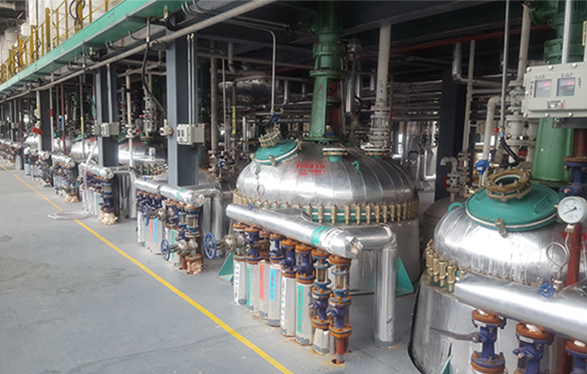
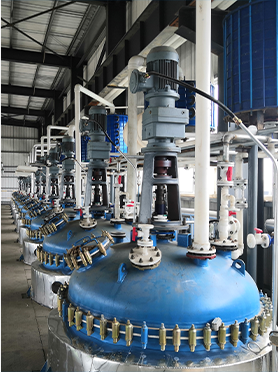
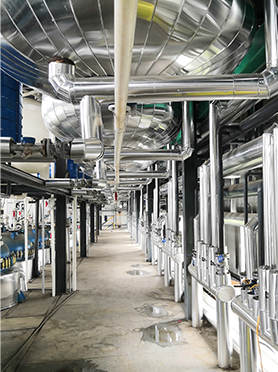
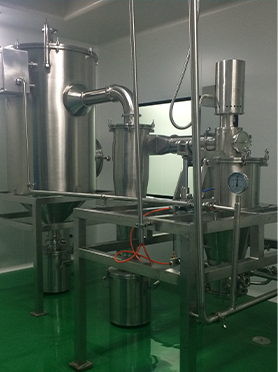
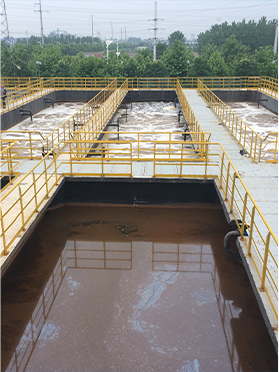
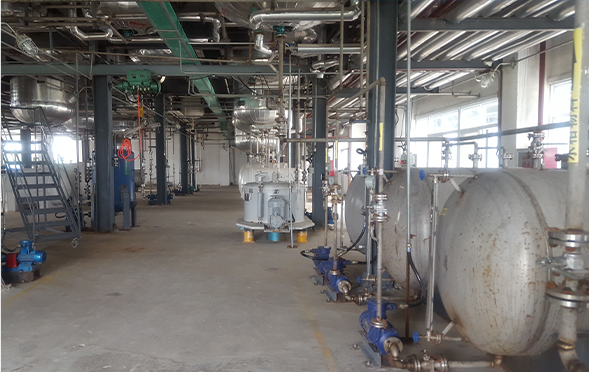
Manufacturing Facilities
Professional Export Experience
to Global Customers
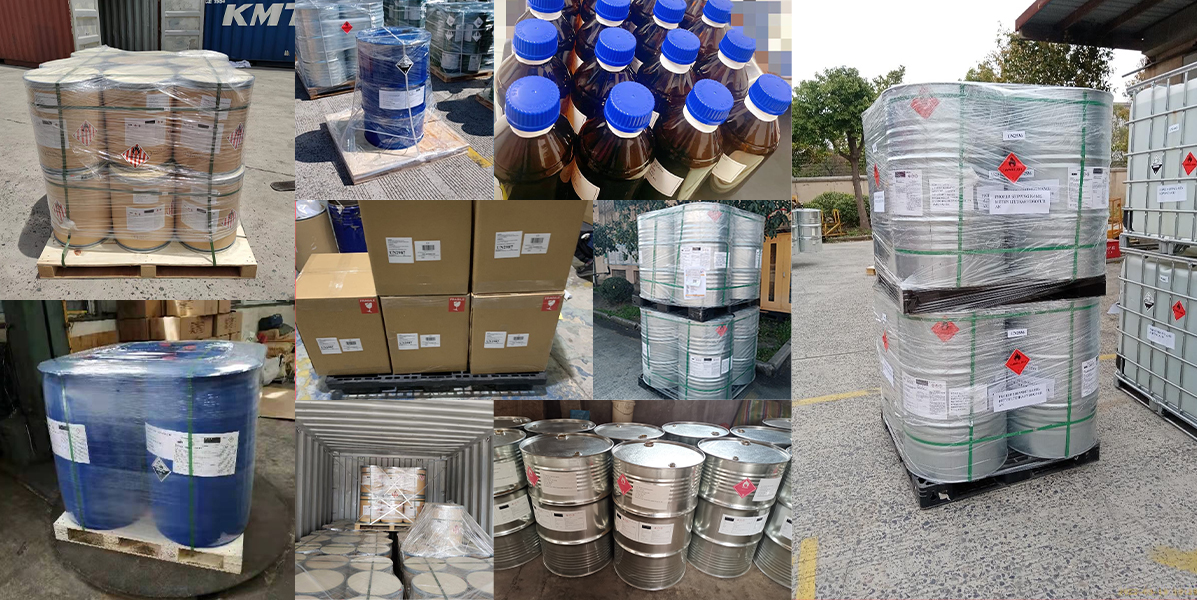
1. 20 years of R&D, manufacturing and sales experience, serving customers in 60 countries and regions around the world;
2. Own R&D laboratory, pilot platform and large-scale production workshop, which can meet the audit requirements of global customers;
3. We can satisfy customers' perfect transition from small scale lab requirements (gram level) to commercialization requirements (hundred tons level).
A: We don't have Minimum Order Quantity, exact quantity should be provided before quotation for us to calculate the exact cost.
A: We don't provide free samples due to lots of request and expensive international courier's cost, we can deduct the sample charge after commercial order placed.
A: Our payment terms: Small or sample order: T/T IN ADVANCE. Commercial order: First order should be by T/T IN ADVANCE or L/C at sight, and following orders T/T 30~90days is acceptable subject to approval of credit application.