
Custom Manufacturing, Project Outsourcing, your Trusted Partner from China
Hydroxypropyl Methyl Cellulose (HPMC) is a remarkably versatile polymer, but its effectiveness in any given application hinges on selecting the appropriate grade. Understanding the nuances of different HPMC grades, primarily distinguished by their viscosity and degree of substitution (methoxy and hydroxypropoxy content), is crucial for optimizing product performance across diverse industries. As a prominent HPMC manufacturer, we aim to demystify these choices for our clients.
The most commonly specified property for HPMC is its viscosity. Viscosity grades indicate how thick a solution the HPMC will form at a specific concentration, typically measured in milliPascals per second (mPa·s) for a 2% aqueous solution. For instance, grades might range from a few thousand mPa·s to well over 100,000 mPa·s. In applications like liquid detergents or cosmetic creams, higher viscosity HPMC is generally preferred to achieve desired thickening and body. In contrast, construction applications like tile adhesives might benefit from mid-range viscosities for optimal workability and water retention, while very low viscosity grades might be used where minimal thickening is needed but binding or film-forming is key.
The degree of substitution, referring to the proportion of methoxy (-OCH3) and hydroxypropoxy (-OCH2CH(OH)CH3) groups attached to the cellulose backbone, is equally important. These substituents influence HPMC's solubility in water, its thermal gelation temperature, and its surface activity. For instance, variations in hydroxypropoxy content can affect its performance in specific solvents or its interaction with other formulation ingredients. When you buy HPMC, understanding these substitution levels can help tailor the product to specific functionalities, such as improved dispersibility in cold water for construction materials or specific release profiles for pharmaceutical applications.
Choosing the right HPMC grade requires careful consideration of your application's specific needs. Factors such as the desired rheology, water retention requirements, film properties, and compatibility with other ingredients must be assessed. Consulting with a knowledgeable HPMC supplier is highly recommended. A good HPMC manufacturer in China will provide detailed technical data sheets and offer expert guidance to help you select the optimal grade. Whether you are looking to purchase HPMC for construction, pharmaceuticals, or other industrial uses, a thoughtful selection process will ensure the best possible results for your product development and manufacturing endeavors.
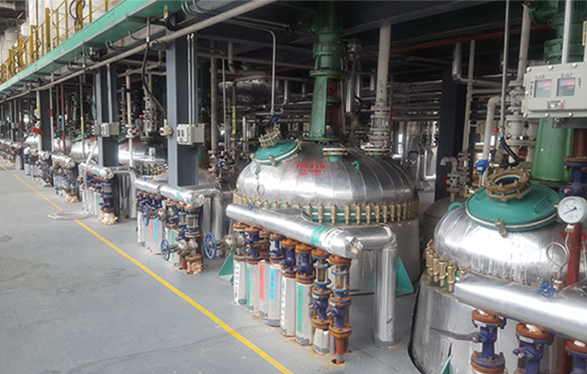
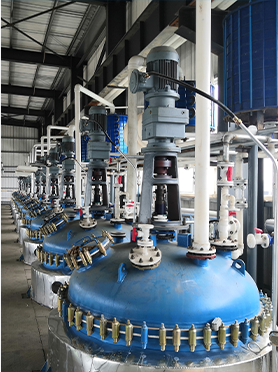
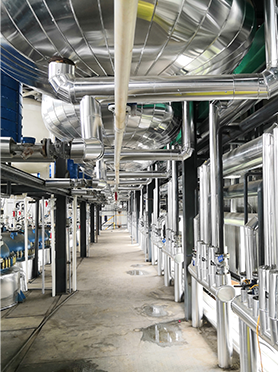
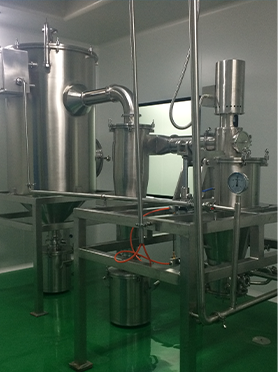
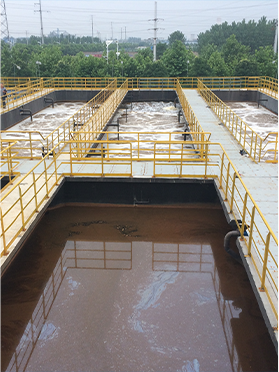
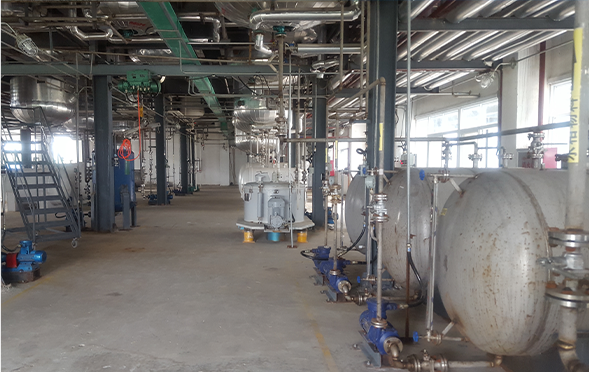
Manufacturing Facilities
Professional Export Experience
to Global Customers
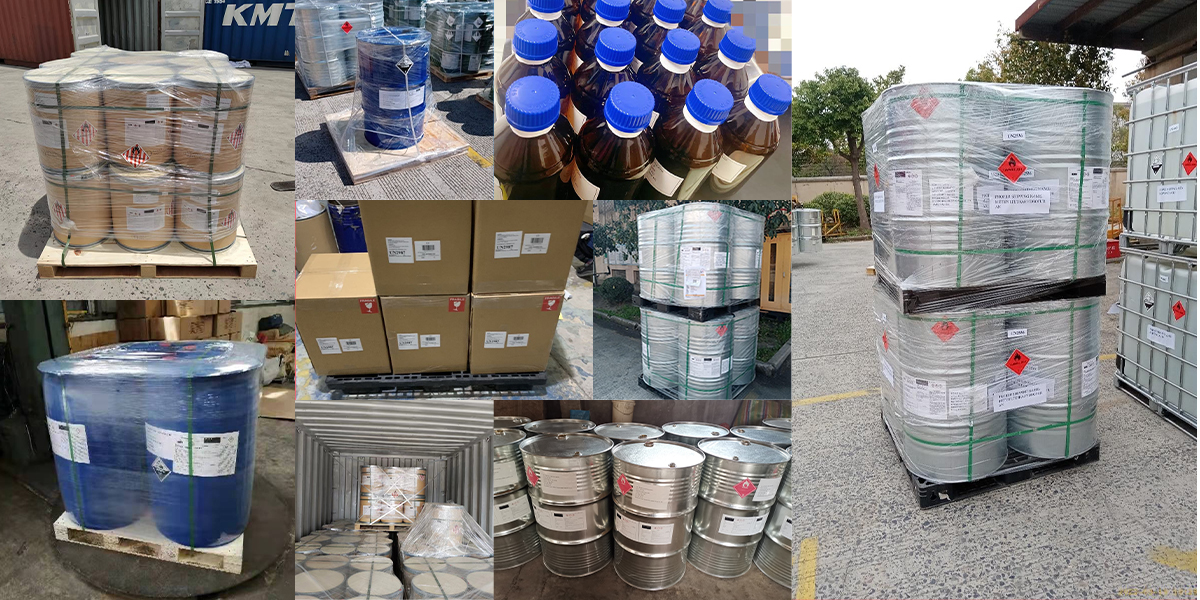
1. 20 years of R&D, manufacturing and sales experience, serving customers in 60 countries and regions around the world;
2. Own R&D laboratory, pilot platform and large-scale production workshop, which can meet the audit requirements of global customers;
3. We can satisfy customers' perfect transition from small scale lab requirements (gram level) to commercialization requirements (hundred tons level).
A: We don't have Minimum Order Quantity, exact quantity should be provided before quotation for us to calculate the exact cost.
A: We don't provide free samples due to lots of request and expensive international courier's cost, we can deduct the sample charge after commercial order placed.
A: Our payment terms: Small or sample order: T/T IN ADVANCE. Commercial order: First order should be by T/T IN ADVANCE or L/C at sight, and following orders T/T 30~90days is acceptable subject to approval of credit application.