
Custom Manufacturing, Project Outsourcing, your Trusted Partner from China
Liraglutide, a prominent member of the glucagon-like peptide-1 (GLP-1) receptor agonist class, has revolutionized the treatment landscape for both type 2 diabetes and chronic obesity. Understanding its liraglutide mechanism of action explained is key to appreciating its therapeutic power. At its core, liraglutide mimics the natural incretin hormone GLP-1, which is released by the gut in response to food intake. This action triggers a cascade of beneficial effects in the body.
For individuals managing type 2 diabetes, liraglutide's primary role is to enhance glucose homeostasis. It stimulates the pancreas to release insulin only when blood glucose levels are elevated, thereby lowering the risk of hypoglycemia. Simultaneously, it reduces the secretion of glucagon, a hormone that raises blood sugar. Another crucial aspect is its effect on gastric emptying; by slowing down the rate at which food leaves the stomach, liraglutide helps prevent sharp post-meal blood sugar spikes. This comprehensive approach to glucose regulation is a significant advantage over many other antidiabetic medications.
Beyond its impact on diabetes, liraglutide has emerged as a potent tool for weight management. Its ability to reduce appetite and increase satiety stems from its action on the central nervous system, specifically in areas of the brain that regulate hunger and fullness. This means patients often feel fuller for longer, leading to a natural reduction in calorie intake. The effectiveness of liraglutide dosage for weight loss is well-documented; however, it's important to note that it requires a gradual dose escalation to optimize tolerance and minimize gastrointestinal side effects. This careful titration is a vital part of the treatment plan.
When considering liraglutide side effects and precautions, while generally well-tolerated, some patients may experience nausea, vomiting, or diarrhea. These are typically mild and transient, often resolving as the body adjusts. Healthcare providers emphasize the importance of staying hydrated and reporting any persistent or severe symptoms. Furthermore, understanding drug interactions with liraglutide is essential for patient safety. Certain medications can affect blood glucose levels, necessitating a thorough review by a healthcare professional before starting or combining treatments.
The therapeutic landscape is constantly evolving, and the question of how liraglutide compares to other GLP-1 agonists is frequently raised. While all GLP-1 RAs share similar mechanisms, individual responses can vary. Liraglutide's established efficacy, combined with its specific pharmacokinetic profile, makes it a reliable choice for many. For those seeking treatment, understanding the benefits of liraglutide for obesity treatment and diabetes management is the first step toward a healthier future.
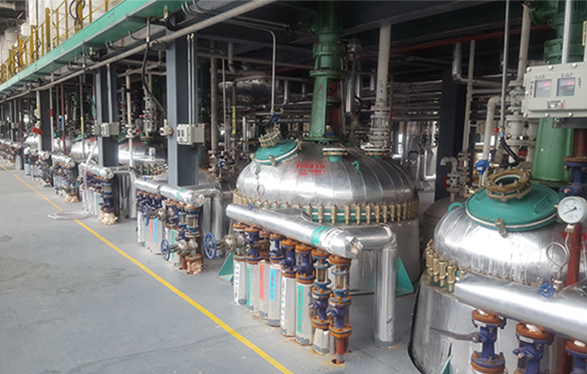
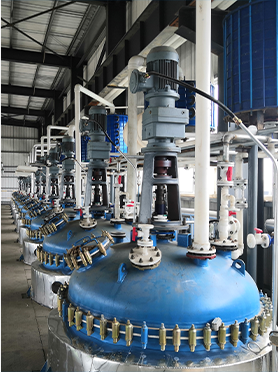
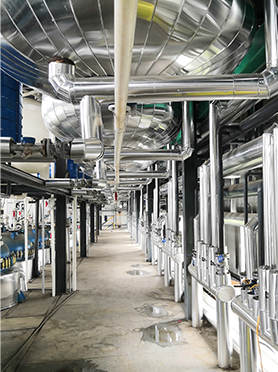
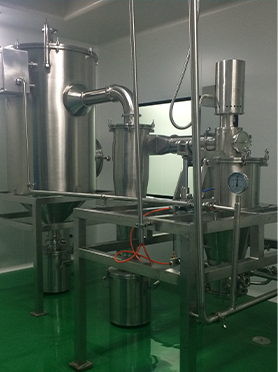
Manufacturing Facilities
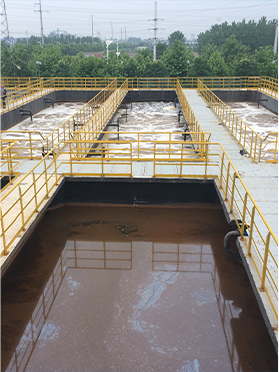
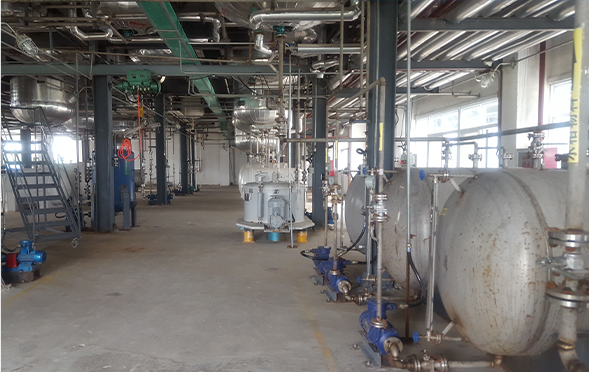
Professional Export Experience
to Global Customers
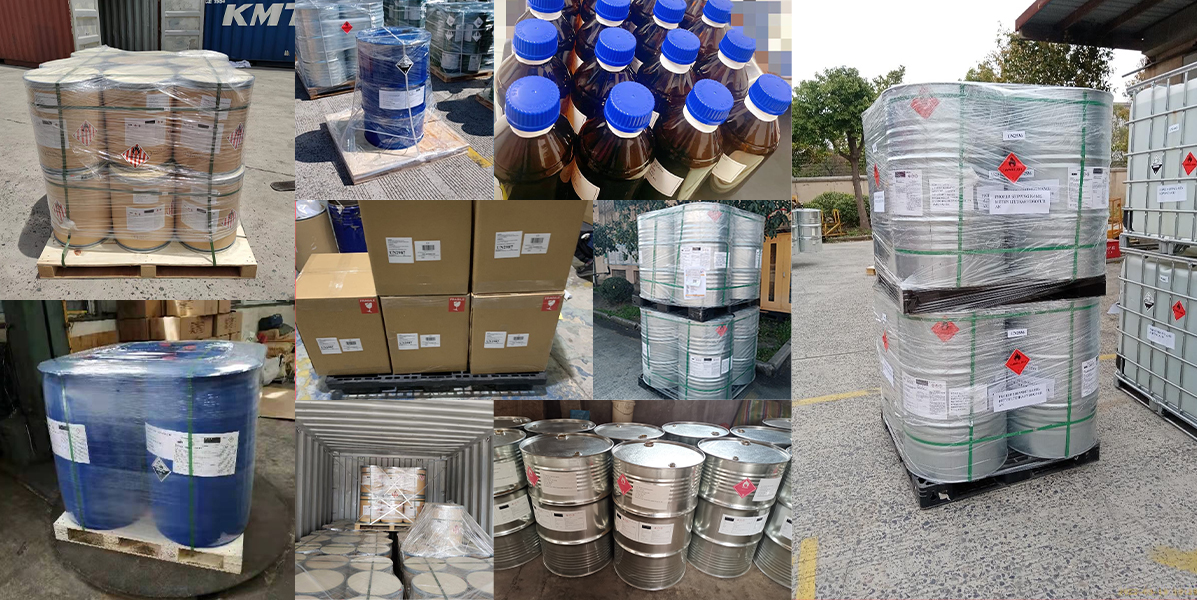
1. 20 years of R&D, manufacturing and sales experience, serving customers in 60 countries and regions around the world;
2. Own R&D laboratory, pilot platform and large-scale production workshop, which can meet the audit requirements of global customers;
3. We can satisfy customers' perfect transition from small scale lab requirements (gram level) to commercialization requirements (hundred tons level).
A: We don't have Minimum Order Quantity, exact quantity should be provided before quotation for us to calculate the exact cost.
A: We don't provide free samples due to lots of request and expensive international courier's cost, we can deduct the sample charge after commercial order placed.
A: Our payment terms: Small or sample order: T/T IN ADVANCE. Commercial order: First order should be by T/T IN ADVANCE or L/C at sight, and following orders T/T 30~90days is acceptable subject to approval of credit application.