
Custom Manufacturing, Project Outsourcing, your Trusted Partner from China
The quest for sustainable practices in the rubber industry has led to significant advancements in recycling technologies. Among the most promising are mechano-chemical processes, which combine mechanical forces with chemical agents to break down vulcanized rubber efficiently. For businesses looking to buy rubber recycling chemicals, understanding this synergy is key to optimizing their operations and sourcing the right materials.
Mechano-chemistry, in essence, describes how mechanical energy can induce or influence chemical reactions. In rubber recycling, this typically involves applying mechanical stress, such as shearing and grinding, to waste rubber. This mechanical action can create new surfaces, generate localized heat, and even initiate radical formation along the polymer chains. However, the true power of this approach is unlocked when a chemical agent is introduced. These specialized rubber auxiliary agents are designed to work in concert with the mechanical input.
When a rubber regenerating chemical is added to waste rubber that is undergoing mechanical processing, it can selectively target and weaken the sulfur cross-links (in sulfur vulcanized rubber) or other cross-links. The mechanical energy then provides the necessary force to break these weakened bonds. This coordinated action is far more effective than either mechanical or chemical treatment alone. It allows for the controlled breakdown of the rubber network, transforming the rigid, cross-linked material into a more pliable, re-processable state.
A key benefit of this mechano-chemical approach is that it can often be performed under milder conditions. For instance, recycling processes can occur at normal temperatures and pressures, reducing energy consumption and operational costs compared to traditional high-temperature pyrolysis. The right chemical agent will enhance the efficiency of the mechanical breakdown, ensuring that the polymer chains are scissored effectively without causing excessive degradation of the main chain bonds. This preserves the useful properties of the rubber, making it suitable for reuse in demanding applications.
The choice of rubber auxiliary agent is critical for success. A good agent will not only facilitate the mechano-chemical breakdown but also improve the dispersion of the rubber particles and reduce the viscosity of the compound. This leads to smoother processing, better uniformity, and a higher quality regenerated rubber product. Manufacturers who aim to purchase rubber regenerate chemical should look for products that are proven to enhance these characteristics.
For companies in the rubber industry, understanding mechano-chemical processes opens doors to more sustainable and cost-effective recycling. By partnering with a reliable rubber waste recycling chemical manufacturer, businesses can access innovative agents that enable efficient material recovery. Whether you are looking to buy rubber recycling chemicals for small-scale operations or large industrial applications, the principles of mechano-chemistry provide a robust framework for achieving superior results and contributing to a greener future.
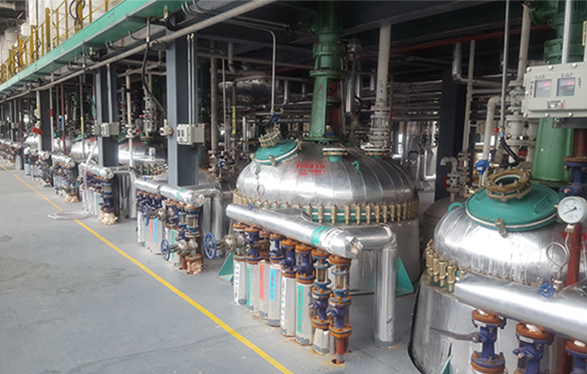
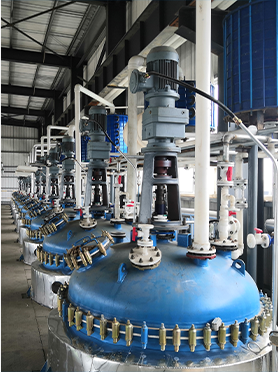
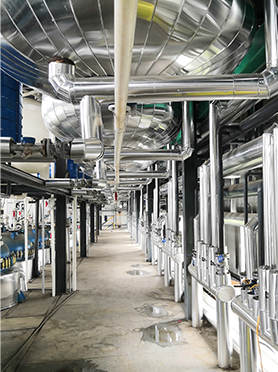
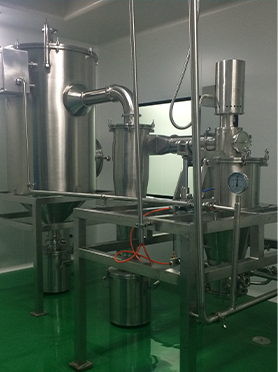
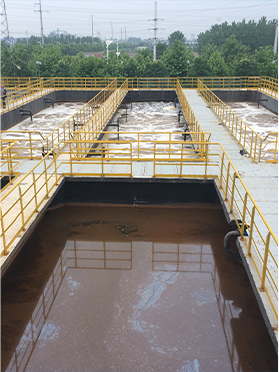
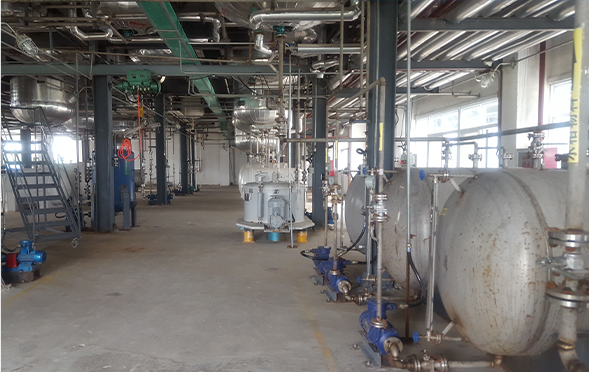
Manufacturing Facilities
Professional Export Experience
to Global Customers
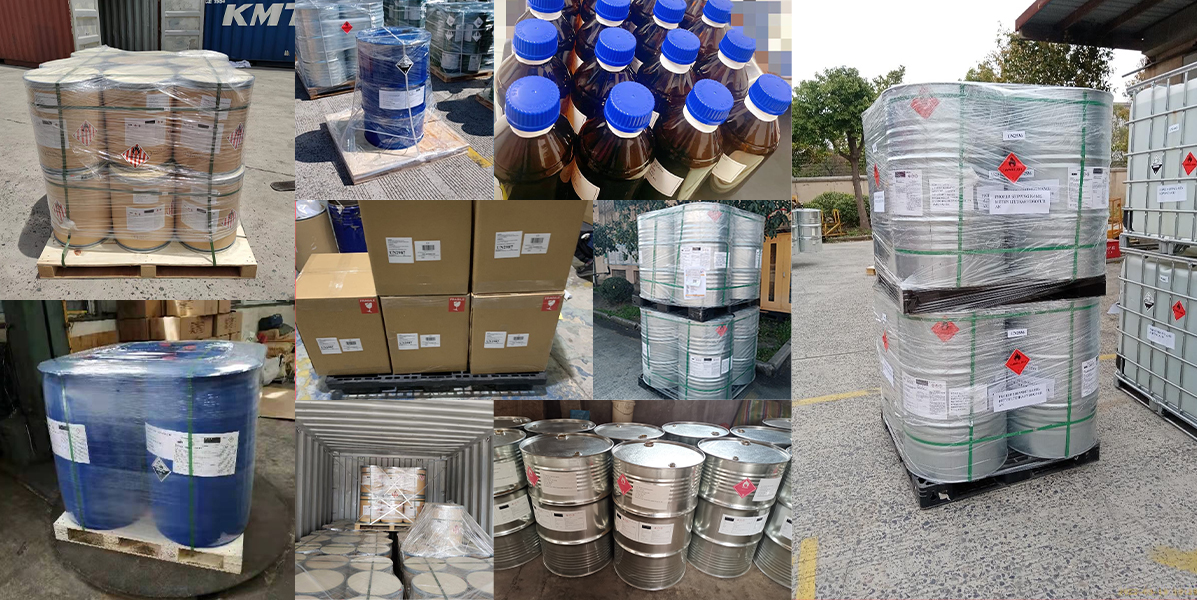
1. 20 years of R&D, manufacturing and sales experience, serving customers in 60 countries and regions around the world;
2. Own R&D laboratory, pilot platform and large-scale production workshop, which can meet the audit requirements of global customers;
3. We can satisfy customers' perfect transition from small scale lab requirements (gram level) to commercialization requirements (hundred tons level).
A: We don't have Minimum Order Quantity, exact quantity should be provided before quotation for us to calculate the exact cost.
A: We don't provide free samples due to lots of request and expensive international courier's cost, we can deduct the sample charge after commercial order placed.
A: Our payment terms: Small or sample order: T/T IN ADVANCE. Commercial order: First order should be by T/T IN ADVANCE or L/C at sight, and following orders T/T 30~90days is acceptable subject to approval of credit application.