Custom Manufacturing, Project Outsourcing, your Trusted Partner from China
The realm of inorganic chemistry is rich with compounds that exhibit fascinating structural and bonding properties. Among these, Molybdenum(II) Acetate Dimer, identified by CAS 14221-06-8, holds a prominent place, particularly for its iconic metal-metal quadruple bond. For chemists and material scientists, understanding its characteristics is key to unlocking its potential in synthesis and material development. This article delves into the properties, synthesis, and applications, providing insights for those looking to buy this specialty chemical.
Molybdenum(II) Acetate Dimer presents as a yellow solid, often described as crystalline. Its molecular formula, C8H12Mo2O8, indicates a dimeric structure involving molybdenum and acetate ligands. A critical characteristic is its air sensitivity, necessitating careful handling and storage, typically at temperatures below -20°C. While it shows slight solubility in organic solvents, its solubility in water is negligible. The compound's significance stems from the direct quadruple bond between the two molybdenum atoms, a rare and powerful feature in chemical bonding.
The preparation of Molybdenum(II) Acetate Dimer is typically achieved by reacting molybdenum hexacarbonyl (Mo(CO)6) with acetic acid. This synthesis process involves the stripping of carbon monoxide ligands and the oxidation of molybdenum from its 0 oxidation state to +2. The balanced chemical equation for this reaction illustrates the transformation: 2 Mo(CO)6 + 4 HO2CCH3 → Mo2(O2CCH3)4 + 12 CO + 2 H2. While efficient, this method may sometimes yield trinuclear clusters as byproducts, emphasizing the need for purification to obtain high-grade material for purchase.
The primary utility of Molybdenum(II) Acetate Dimer lies in its function as a precursor for synthesizing other molybdenum compounds. The acetate ligands are labile and can be readily substituted to form new complexes. This makes it an invaluable starting material for researchers and manufacturers seeking to create novel materials or catalysts. For example, it serves as a building block for compounds like [Mo2Cl8]4− and Mo2Cl4[P(C4H9)3]4, expanding the scope of molybdenum chemistry.
For businesses and research institutions interested in acquiring Molybdenum(II) Acetate Dimer, understanding its market is essential. Many suppliers, particularly in China, offer this compound. When searching to buy, it's beneficial to compare Molybdenum(II) Acetate Dimer price quotes from different manufacturers. Ensuring the supplier provides detailed technical data and a Certificate of Analysis will guarantee the quality and suitability for your intended applications. The CAS number 14221-06-8 is the standard identifier for this specific chemical, facilitating precise sourcing.
In summary, Molybdenum(II) Acetate Dimer is more than just a yellow powder; it's a gateway to complex molybdenum chemistry. Its unique quadruple bond and role as a versatile intermediate make it a sought-after compound. By understanding its properties and synthesis, and by partnering with reliable suppliers, researchers can effectively leverage this material for their innovative projects.
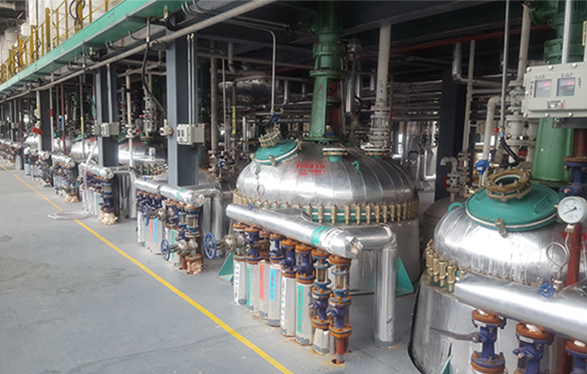
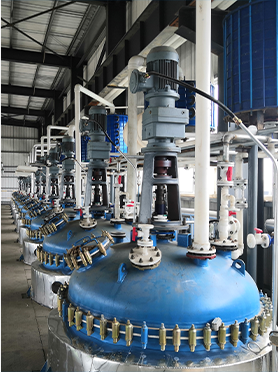
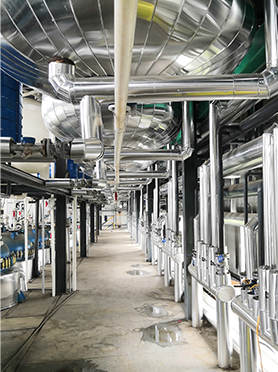
Manufacturing Facilities
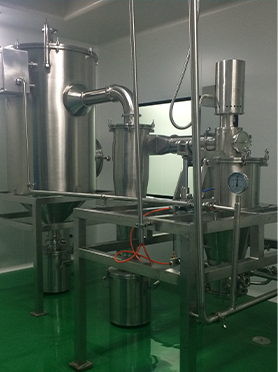
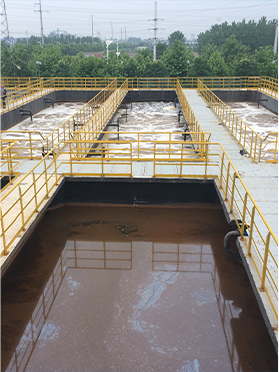
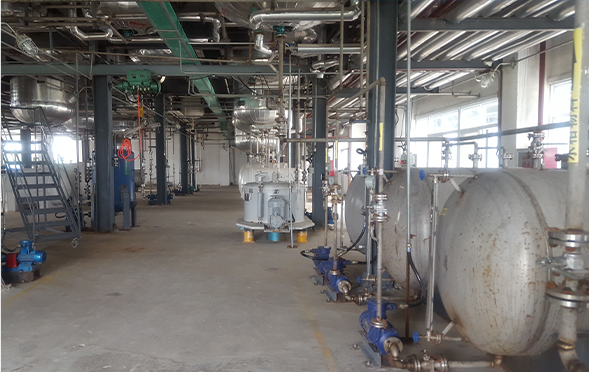
Professional Export Experience
to Global Customers
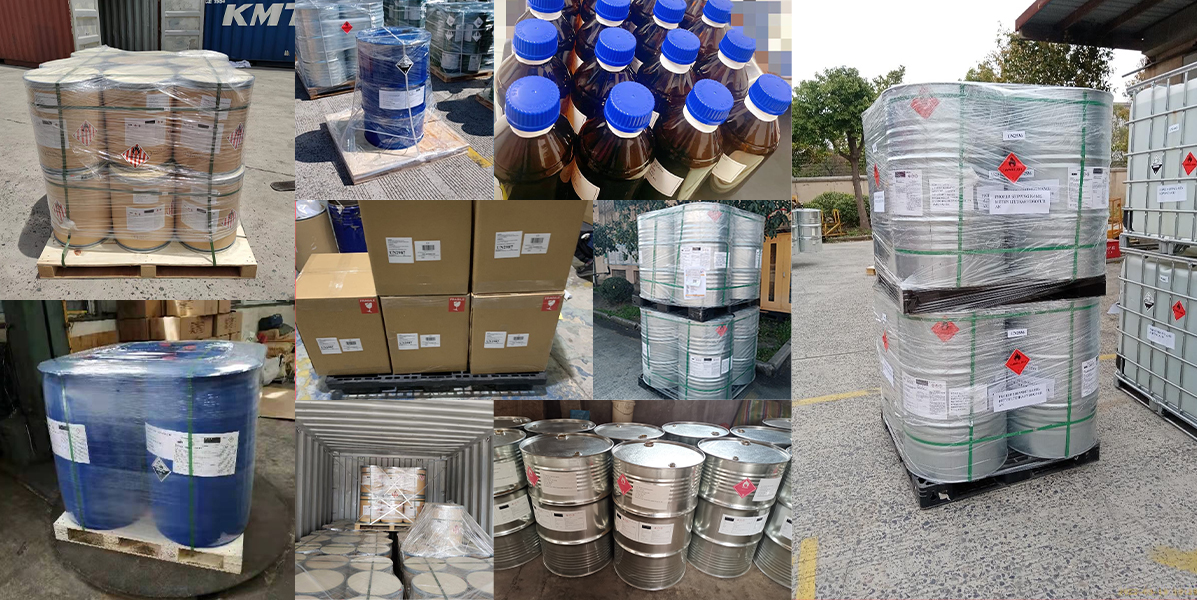
1. 20 years of R&D, manufacturing and sales experience, serving customers in 60 countries and regions around the world;
2. Own R&D laboratory, pilot platform and large-scale production workshop, which can meet the audit requirements of global customers;
3. We can satisfy customers' perfect transition from small scale lab requirements (gram level) to commercialization requirements (hundred tons level).
A: We don't have Minimum Order Quantity, exact quantity should be provided before quotation for us to calculate the exact cost.
A: We don't provide free samples due to lots of request and expensive international courier's cost, we can deduct the sample charge after commercial order placed.
A: Our payment terms: Small or sample order: T/T IN ADVANCE. Commercial order: First order should be by T/T IN ADVANCE or L/C at sight, and following orders T/T 30~90days is acceptable subject to approval of credit application.