
Custom Manufacturing, Project Outsourcing, your Trusted Partner from China
Synthetic oligonucleotides have emerged as powerful tools in molecular biology, diagnostics, and therapeutics. However, a significant hurdle to their widespread application, particularly in vivo, is their susceptibility to degradation by nucleases – enzymes that cleave phosphodiester bonds within nucleic acid chains. Understanding and overcoming this nuclease susceptibility is paramount for unlocking the full potential of synthetic oligonucleotides.
Why Nuclease Degradation is a Problem:
When synthetic oligonucleotides are introduced into biological systems, whether for therapeutic purposes or diagnostic assays, they encounter a cellular environment rich in nucleases. These enzymes, such as RNases and DNases, efficiently break down foreign or even endogenous nucleic acids. For therapeutic oligonucleotides, this rapid degradation leads to a short half-life, diminishing their efficacy and often requiring higher doses or more frequent administration. In diagnostic applications, nuclease activity can compromise the integrity of probes, leading to unreliable results.
Strategies for Enhancing Nuclease Resistance:
Scientists have developed several strategies to protect synthetic oligonucleotides from nuclease attack. These include chemical modifications to the oligonucleotide backbone or the bases themselves. Among the most successful and widely adopted modifications is the incorporation of 2'-O-methyl ribonucleotides. This modification, readily achievable through the use of specialized phosphoramidites, offers a significant boost in nuclease resistance.
The Power of 2'-O-Methylation:
The 2'-O-methyl modification involves adding a methyl group (-CH3) to the 2'-hydroxyl group of the ribose sugar in RNA. This seemingly small change has profound effects:
The synthesis of oligonucleotides incorporating these vital modifications relies on high-quality phosphoramidite building blocks. We are a leading manufacturer and supplier of specialized phosphoramidites, including N-Acetyl-5'-O-(4,4-dimethoxytrityl)-2'-O-methylcytidine-3'-(2-cyanoethyl-N,N-diisopropyl)phosphoramidite (CAS 199593-09-4). This reagent is instrumental in synthesizing oligonucleotides with superior nuclease resistance and enhanced performance characteristics. If you are looking to buy these crucial components for your research or therapeutic development, our company, as a trusted supplier from China, offers competitive pricing and reliable quality. Partner with us to secure the materials that will drive your next breakthrough.
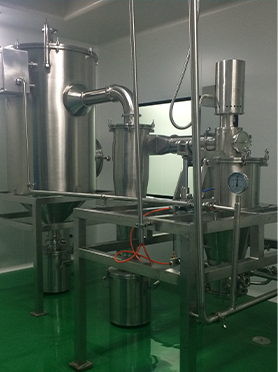
Manufacturing Facilities





Professional Export Experience
to Global Customers
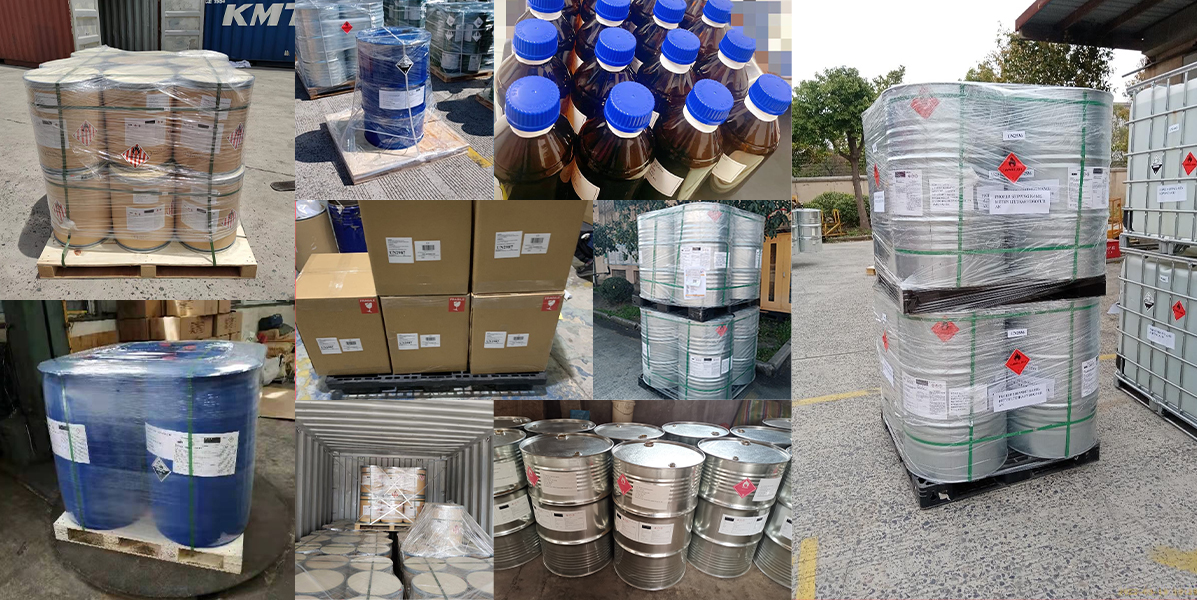
1. 20 years of R&D, manufacturing and sales experience, serving customers in 60 countries and regions around the world;
2. Own R&D laboratory, pilot platform and large-scale production workshop, which can meet the audit requirements of global customers;
3. We can satisfy customers' perfect transition from small scale lab requirements (gram level) to commercialization requirements (hundred tons level).
A: We don't have Minimum Order Quantity, exact quantity should be provided before quotation for us to calculate the exact cost.
A: We don't provide free samples due to lots of request and expensive international courier's cost, we can deduct the sample charge after commercial order placed.
A: Our payment terms: Small or sample order: T/T IN ADVANCE. Commercial order: First order should be by T/T IN ADVANCE or L/C at sight, and following orders T/T 30~90days is acceptable subject to approval of credit application.