
Custom Manufacturing, Project Outsourcing, your Trusted Partner from China
Octylisothiazolinone (OIT), a widely used biocide and preservative, offers significant benefits in protecting various industrial and consumer products from microbial degradation. However, like many active chemical compounds, it can also present health considerations, most notably as a potential skin sensitizer. Understanding OIT allergy is crucial for both consumers who may encounter it in everyday products and for individuals in occupational settings where exposure levels might be higher.
OIT is commonly found in a range of products, including paints, adhesives, polishes, cleaning products, leather goods, and even some textile applications. Its primary role is to inhibit the growth of bacteria, fungi, and molds, thereby extending product shelf-life and maintaining material integrity. While generally considered to have low toxicity, repeated or prolonged skin contact can lead to sensitization in susceptible individuals. This sensitization means that the immune system becomes hypersensitive to OIT, and subsequent exposures can trigger an allergic reaction.
The symptoms of OIT allergy typically manifest as allergic contact dermatitis. This can include redness, itching, swelling, and sometimes blistering at the site of contact. The distribution of the rash can vary depending on the exposure, often appearing on the hands, face, or areas of the body that come into direct contact with OIT-containing products. In occupational settings, such as among painters or leather workers, these symptoms might appear on the arms, torso, or legs.
Diagnosing OIT allergy usually involves patch testing performed by a dermatologist. In this procedure, small amounts of OIT are applied to the skin under occlusion, and the skin's reaction is assessed after a specific period. Positive patch test results confirm sensitization to OIT. It's also important to note that individuals sensitized to other isothiazolinones, such as Methylisothiazolinone (MI), may sometimes exhibit cross-reactivity with OIT, although this is not always the case. The precise identification of the allergen is key to effective management.
Prevention is paramount in managing OIT allergy. For consumers, the most effective strategy is to carefully read product labels and avoid items that list OIT or its numerous synonyms among the ingredients. While OIT is generally not found in high concentrations in consumer products, awareness is key. For individuals working in industries where OIT is prevalent, such as manufacturing or application of paints and leather treatments, preventative measures are even more critical. This includes using appropriate personal protective equipment (PPE) like gloves, protective clothing, and eye protection to minimize skin and mucous membrane contact.
Employers have a responsibility to inform workers about potential hazards and to implement workplace safety protocols. Material Safety Data Sheets (MSDS) provide detailed information on chemical handling and safety measures. For those confirmed to have an OIT allergy, strict avoidance of the chemical is necessary. Treatment for active dermatitis typically involves topical corticosteroids and emollients to manage symptoms. Seeking medical advice for diagnosis and management is always recommended.
In summary, while Octylisothiazolinone (OIT) is a valuable industrial preservative, its potential to cause allergic contact dermatitis necessitates awareness and preventative action. By understanding the sources, symptoms, and avoidance strategies, individuals can better protect themselves from OIT-related allergies. For businesses that manufacture or utilize products containing OIT, ensuring safe handling practices and clear labeling is essential for worker and consumer safety.
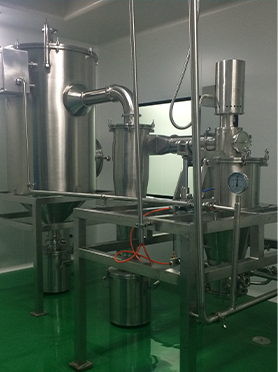
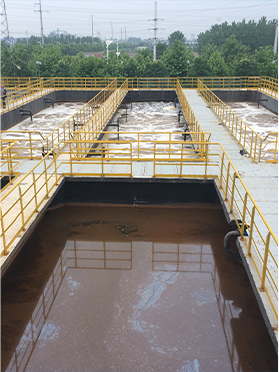
Manufacturing Facilities




Professional Export Experience
to Global Customers
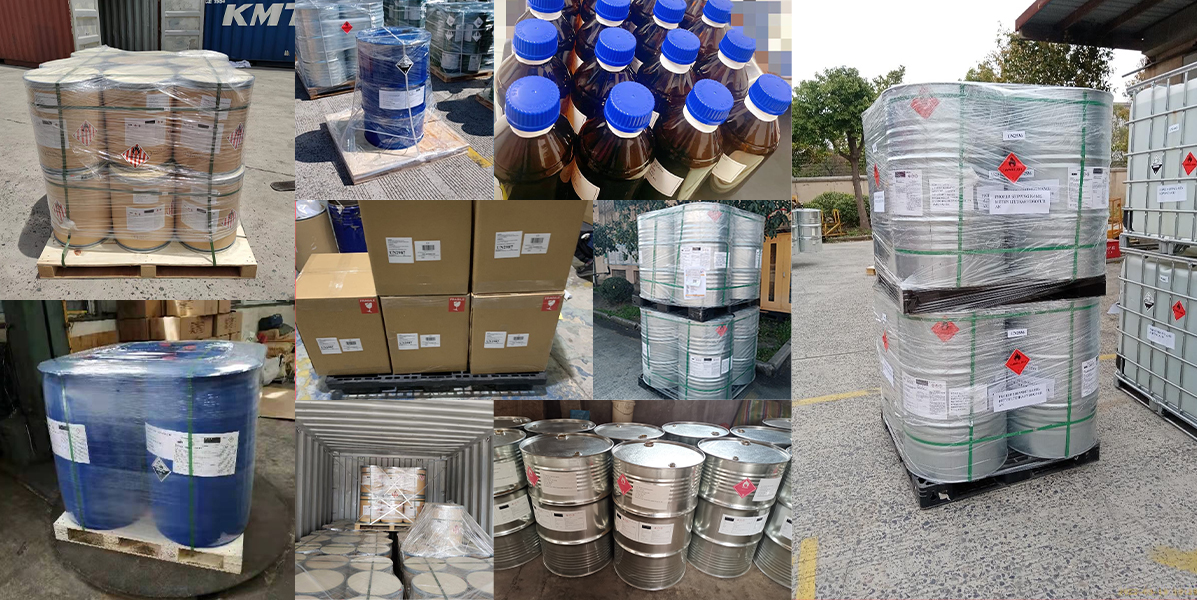
1. 20 years of R&D, manufacturing and sales experience, serving customers in 60 countries and regions around the world;
2. Own R&D laboratory, pilot platform and large-scale production workshop, which can meet the audit requirements of global customers;
3. We can satisfy customers' perfect transition from small scale lab requirements (gram level) to commercialization requirements (hundred tons level).
A: We don't have Minimum Order Quantity, exact quantity should be provided before quotation for us to calculate the exact cost.
A: We don't provide free samples due to lots of request and expensive international courier's cost, we can deduct the sample charge after commercial order placed.
A: Our payment terms: Small or sample order: T/T IN ADVANCE. Commercial order: First order should be by T/T IN ADVANCE or L/C at sight, and following orders T/T 30~90days is acceptable subject to approval of credit application.