
Custom Manufacturing, Project Outsourcing, your Trusted Partner from China
Phenylacetyl Chloride, identified by its CAS number 103-80-0, is a valuable chemical intermediate widely used in organic synthesis, particularly in the pharmaceutical and fine chemical industries. As with any reactive chemical, understanding its properties, safe handling procedures, and storage requirements is crucial for researchers, lab technicians, and procurement specialists. This article provides an overview of these essential aspects, enabling informed decisions when you plan to buy this compound.
Physically, Phenylacetyl Chloride typically presents as a clear liquid. Its molecular formula is C8H7ClO, with a molecular weight of approximately 154.59 g/mol. Key physical properties include a density of around 1.16 g/cm³, a boiling point of 94-95°C at 12 torr, and a flash point of 102°C. Importantly, it is known to be moisture-sensitive, a characteristic that dictates its storage and handling protocols. Exposure to moisture can lead to hydrolysis, forming phenylacetic acid and hydrochloric acid, which can compromise the product's purity and reactivity.
The primary chemical characteristic of Phenylacetyl Chloride is its acyl chloride functional group, which makes it highly reactive towards nucleophiles such as amines, alcohols, and thiols. This reactivity is what makes it so valuable as an acylating agent in organic synthesis. For example, it is commonly used to introduce the phenylacetyl group into target molecules. However, this reactivity also means it requires careful handling. It is classified as corrosive and can cause severe skin burns and eye damage. Therefore, appropriate personal protective equipment (PPE), including chemical-resistant gloves, safety goggles, and protective clothing, must be worn when handling this substance. Work should ideally be conducted in a well-ventilated area or under a fume hood.
Regarding storage, Phenylacetyl Chloride should be kept in a tightly sealed container to prevent moisture ingress. It is best stored in a cool, dry, and well-ventilated place, away from incompatible materials such as water, strong bases, alcohols, and oxidizing agents. Many suppliers recommend refrigeration for long-term storage to maintain maximum purity and stability. When considering a manufacturer, always inquire about their recommended storage conditions and shelf-life information.
For businesses looking to purchase Phenylacetyl Chloride, understanding these properties and handling guidelines ensures both safety and the integrity of the chemical for their intended applications. Always refer to the Material Safety Data Sheet (MSDS) provided by the supplier for the most comprehensive safety and handling information. Reliable manufacturers will readily provide this crucial documentation alongside their product.
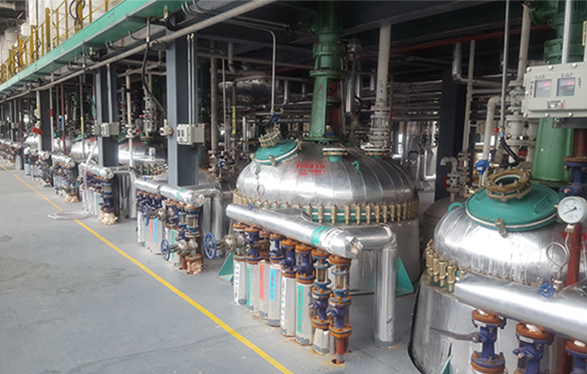
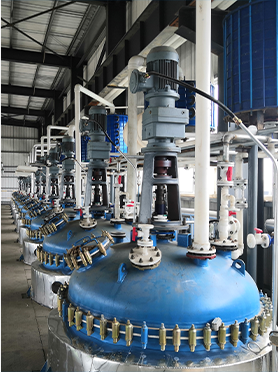
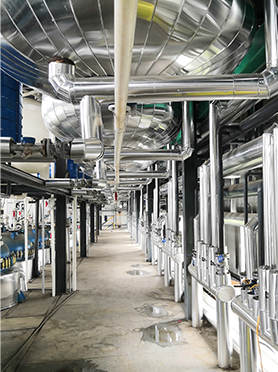
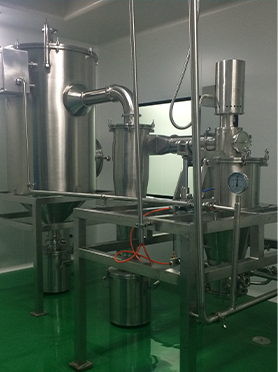
Manufacturing Facilities
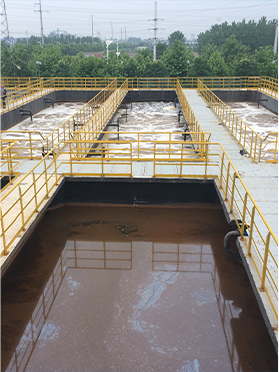
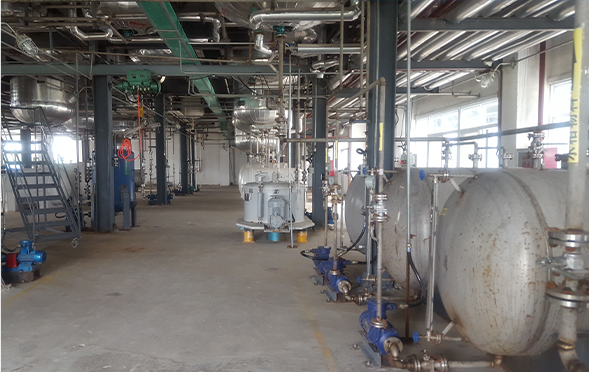
Professional Export Experience
to Global Customers
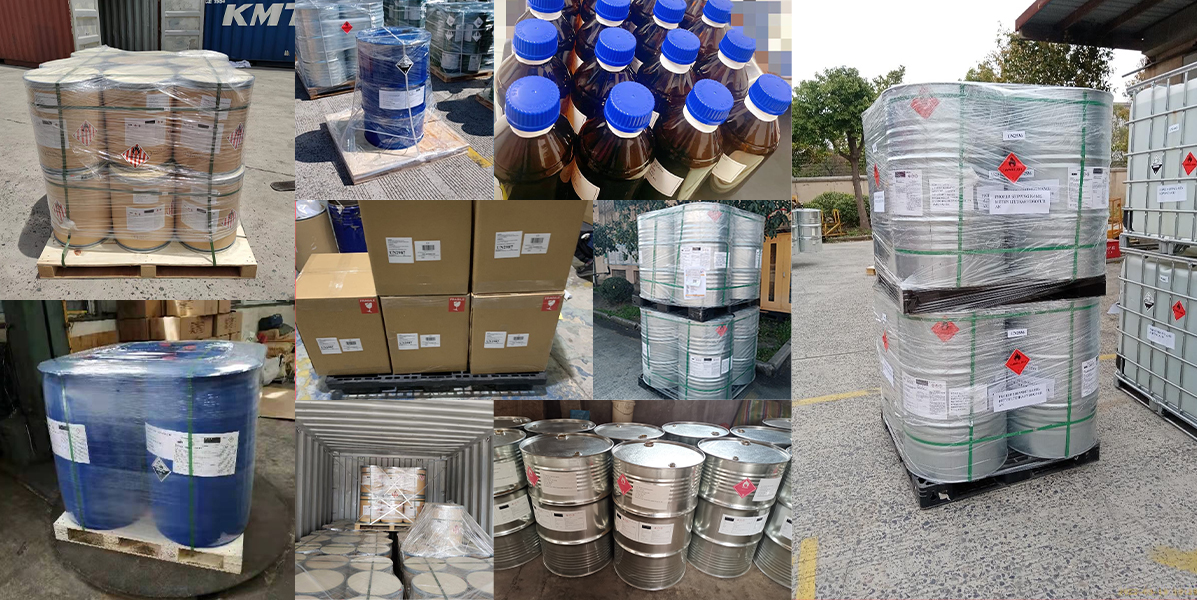
1. 20 years of R&D, manufacturing and sales experience, serving customers in 60 countries and regions around the world;
2. Own R&D laboratory, pilot platform and large-scale production workshop, which can meet the audit requirements of global customers;
3. We can satisfy customers' perfect transition from small scale lab requirements (gram level) to commercialization requirements (hundred tons level).
A: We don't have Minimum Order Quantity, exact quantity should be provided before quotation for us to calculate the exact cost.
A: We don't provide free samples due to lots of request and expensive international courier's cost, we can deduct the sample charge after commercial order placed.
A: Our payment terms: Small or sample order: T/T IN ADVANCE. Commercial order: First order should be by T/T IN ADVANCE or L/C at sight, and following orders T/T 30~90days is acceptable subject to approval of credit application.