
Custom Manufacturing, Project Outsourcing, your Trusted Partner from China
Phenylbiguanide, a chemical compound readily available with CAS number 102-02-3, serves as a foundational element in various sophisticated chemical synthesis processes. For chemists and researchers engaged in organic chemistry and pharmaceutical development, a thorough understanding of its properties and application potential is key to unlocking its full utility. This article delves into the characteristics of Phenylbiguanide and highlights its significance as a chemical intermediate, offering insights valuable for anyone looking to buy this compound.
The chemical profile of Phenylbiguanide is defined by its molecular formula, C8H11N5, and a molecular weight of approximately 177.21. It is typically presented as a powder or crystalline solid, with its appearance ranging from white to orange or green. Its melting point, falling between 135-142 °C, and a flash point of 188.7°C, are important safety and handling parameters for laboratory and industrial settings. These physical attributes, alongside a specified purity of typically 99% min, are critical for researchers sourcing this chemical.
The synthetic utility of Phenylbiguanide lies in its reactive functional groups, which enable it to participate in a wide array of organic reactions. It is particularly noted for its role in facilitating the formation of C-N bonds, a common requirement in the synthesis of many biologically active molecules. This makes Phenylbiguanide a sought-after intermediate for creating heterocyclic compounds, which are prevalent in pharmaceutical agents and agrochemicals.
Researchers and formulators often seek Phenylbiguanide for its potential in drug discovery and development. As a building block, it can be incorporated into more complex molecular structures, contributing to the development of novel therapeutic agents. Its application extends to various research fields where precise chemical synthesis is required. For procurement managers, identifying a reliable manufacturer that can consistently supply Phenylbiguanide at competitive prices is essential for maintaining project continuity.
When considering the purchase of Phenylbiguanide, it is advisable to approach suppliers who can provide comprehensive technical documentation, such as Certificates of Analysis (CoA). This documentation validates the purity and quality of the product. Furthermore, seeking quotes from manufacturers directly can offer better insights into pricing and availability, allowing for informed purchasing decisions. Exploring options for free samples can also be a valuable step in ensuring product suitability.
In conclusion, Phenylbiguanide (CAS 102-02-3) is a valuable chemical intermediate with a defined set of properties that make it indispensable in many synthetic organic chemistry applications. By understanding its characteristics and engaging with reputable suppliers, researchers can effectively integrate this compound into their work, driving innovation in pharmaceutical and chemical industries.
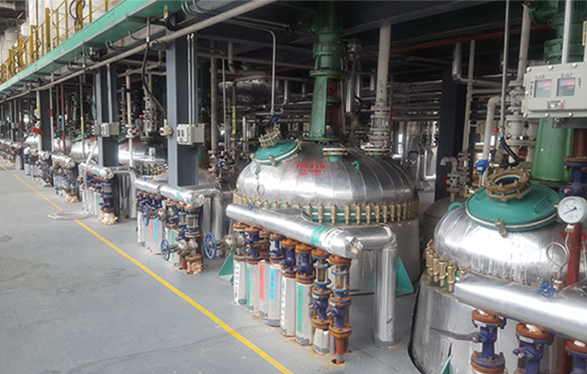
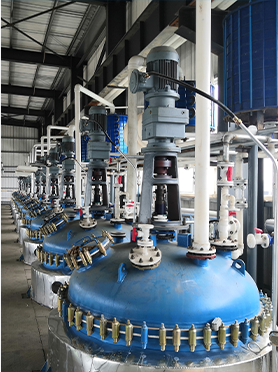
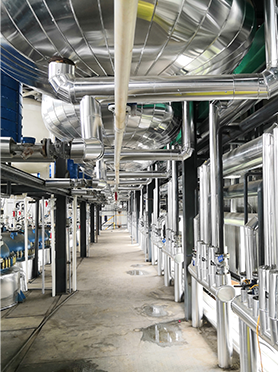
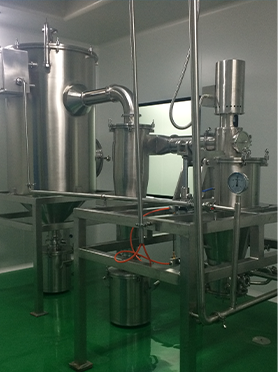
Manufacturing Facilities
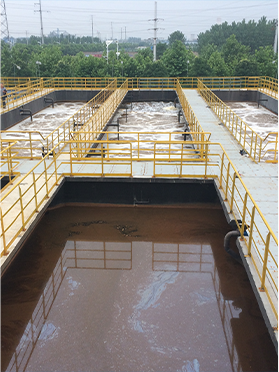
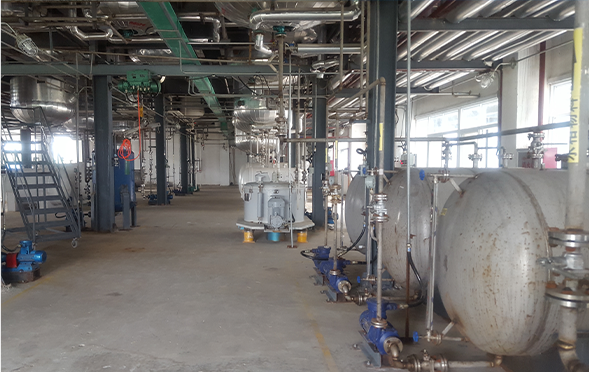
Professional Export Experience
to Global Customers
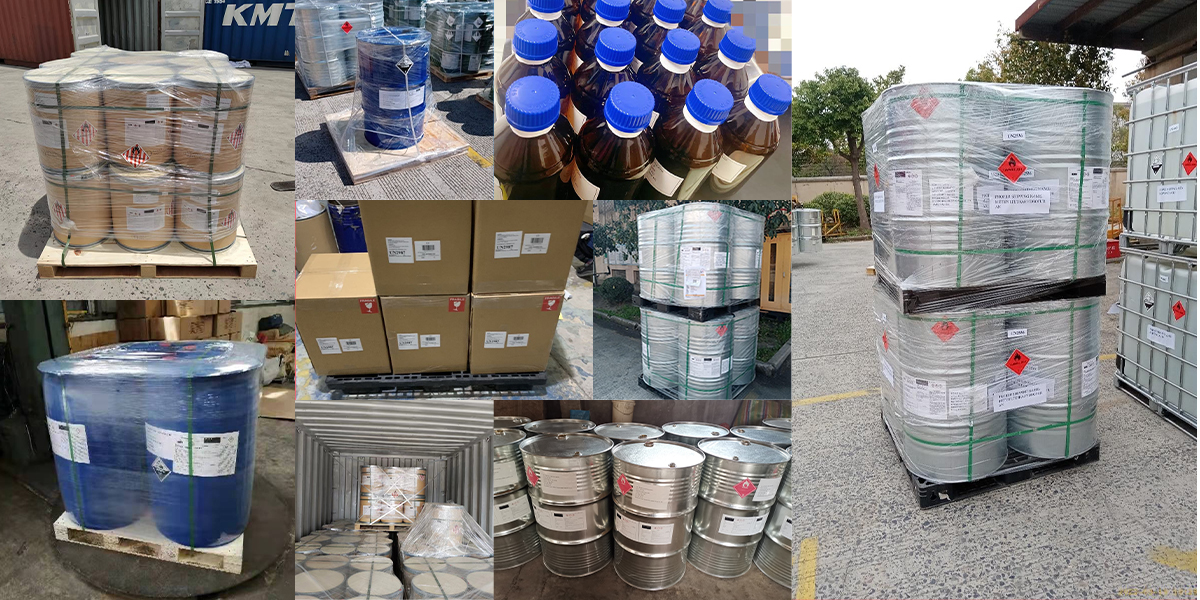
1. 20 years of R&D, manufacturing and sales experience, serving customers in 60 countries and regions around the world;
2. Own R&D laboratory, pilot platform and large-scale production workshop, which can meet the audit requirements of global customers;
3. We can satisfy customers' perfect transition from small scale lab requirements (gram level) to commercialization requirements (hundred tons level).
A: We don't have Minimum Order Quantity, exact quantity should be provided before quotation for us to calculate the exact cost.
A: We don't provide free samples due to lots of request and expensive international courier's cost, we can deduct the sample charge after commercial order placed.
A: Our payment terms: Small or sample order: T/T IN ADVANCE. Commercial order: First order should be by T/T IN ADVANCE or L/C at sight, and following orders T/T 30~90days is acceptable subject to approval of credit application.