
Custom Manufacturing, Project Outsourcing, your Trusted Partner from China
In the fast-paced world of industrial manufacturing, efficiency, speed, and environmental sustainability are key drivers of innovation. Ultraviolet (UV) curing technology has become a cornerstone for achieving these goals in numerous applications, from printing inks and protective coatings to adhesives and advanced materials. At the core of this technology are photoinitiators – chemical compounds that enable the rapid transformation of liquid formulations into solid, durable products upon exposure to UV light. Understanding these critical components is essential for any formulator or procurement manager.
Photoinitiators are special molecules that absorb UV radiation. When light of the appropriate wavelength strikes a photoinitiator, it undergoes a chemical transformation, breaking down into highly reactive species known as free radicals or cations. These reactive species then act as catalysts, triggering a chain reaction that polymerizes the surrounding monomers and oligomers. This process, called photopolymerization or UV curing, results in the formation of a solid polymer network almost instantaneously.
The choice of photoinitiator is crucial and dictates the success of the UV curing process. Different types of photoinitiators exist, each suited for specific applications and formulations. Some common categories include:
The advantages of UV curing, powered by photoinitiators, are significant. The speed of curing dramatically increases production throughput. The process is energy-efficient compared to thermal curing methods. Furthermore, UV-curable formulations often contain fewer volatile organic compounds (VOCs), making them more environmentally friendly. The resulting cured materials typically exhibit superior hardness, scratch resistance, chemical resistance, and gloss.
For procurement managers and R&D scientists, sourcing high-quality photoinitiators is paramount. Impurities in photoinitiators can lead to incomplete curing, yellowing, reduced shelf-life of the formulation, and unpredictable performance. This underscores the importance of working with reputable manufacturers and suppliers who can guarantee the purity and consistency of their products. As a trusted supplier of fine chemicals and intermediates from China, we specialize in providing compounds like 9,10-dihydro-9,9-diphenylacridine with guaranteed high purity (98%) and consistent quality. Our aim is to ensure that you can buy these essential chemicals with confidence, knowing they will perform reliably in your UV curing applications.
When selecting a photoinitiator, consider the specific requirements of your application: the type of substrate, the desired properties of the cured film, the UV light source available, and regulatory compliance. Understanding these factors will help you choose the most effective photoinitiator. We encourage you to leverage our expertise as a dedicated chemical supplier to find the right solutions for your UV curing needs. Contact us today for a quote and to discuss your order of essential photoinitiators and other fine chemicals.
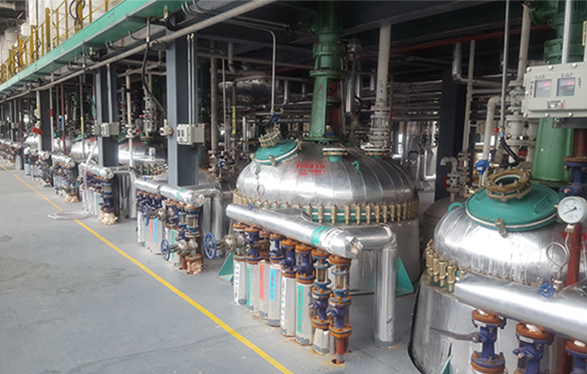
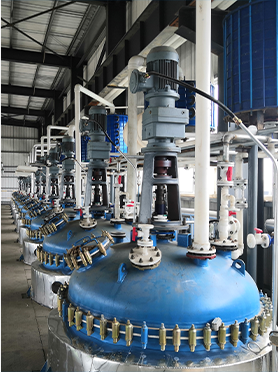
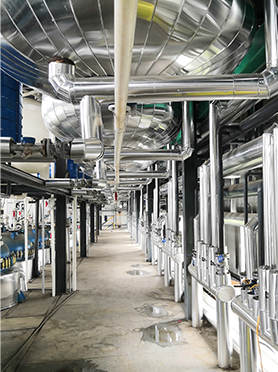
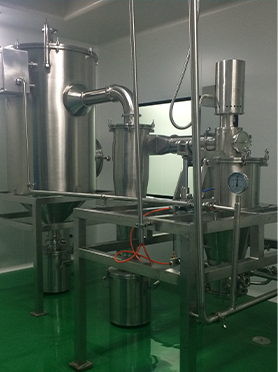
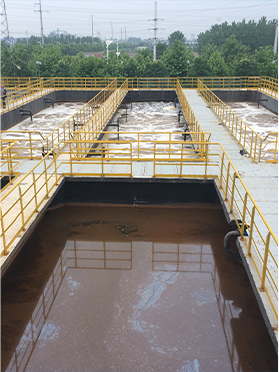
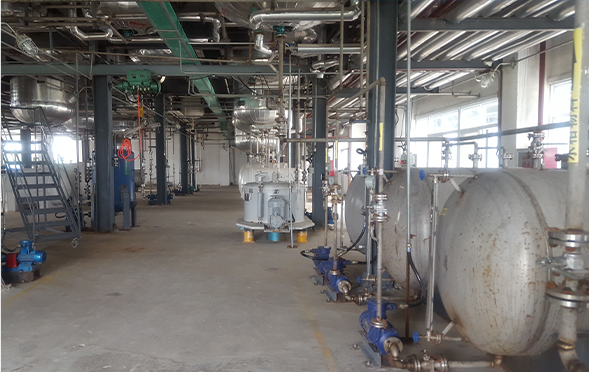
Manufacturing Facilities
Professional Export Experience
to Global Customers
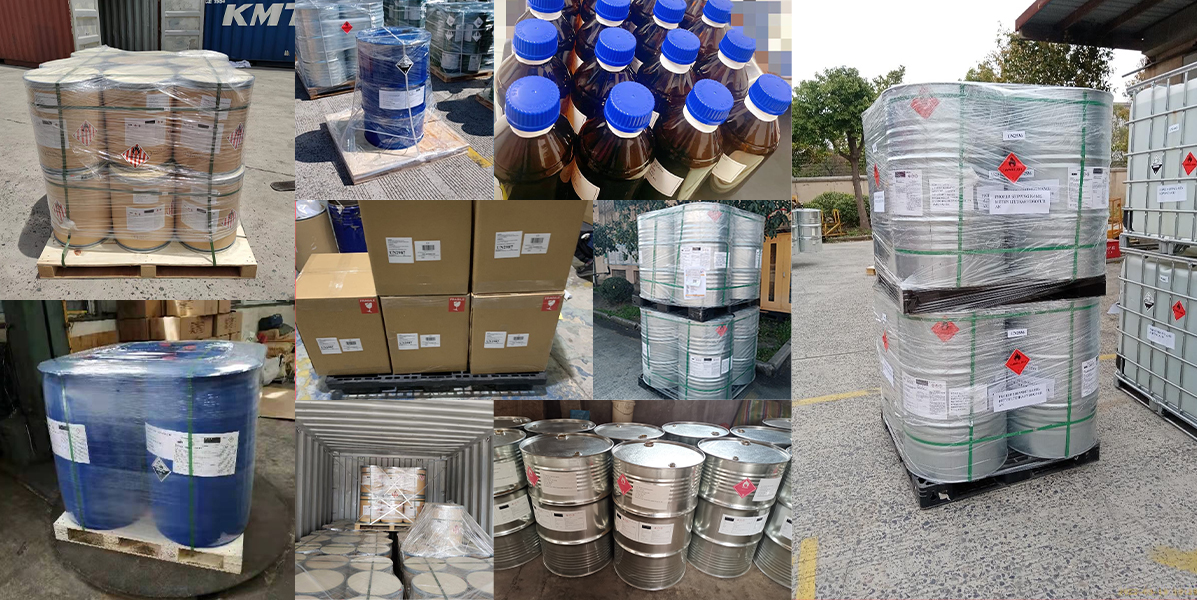
1. 20 years of R&D, manufacturing and sales experience, serving customers in 60 countries and regions around the world;
2. Own R&D laboratory, pilot platform and large-scale production workshop, which can meet the audit requirements of global customers;
3. We can satisfy customers' perfect transition from small scale lab requirements (gram level) to commercialization requirements (hundred tons level).
A: We don't have Minimum Order Quantity, exact quantity should be provided before quotation for us to calculate the exact cost.
A: We don't provide free samples due to lots of request and expensive international courier's cost, we can deduct the sample charge after commercial order placed.
A: Our payment terms: Small or sample order: T/T IN ADVANCE. Commercial order: First order should be by T/T IN ADVANCE or L/C at sight, and following orders T/T 30~90days is acceptable subject to approval of credit application.