
Custom Manufacturing, Project Outsourcing, your Trusted Partner from China
The realm of UV curing technology is a testament to rapid advancements in material science, offering efficient and environmentally friendly solutions for a myriad of applications. At the core of this technology are photoinitiators, the compounds that initiate the photopolymerization process. The effectiveness, speed, and quality of UV curing are intrinsically linked to the performance of these photoinitiators, which, in turn, depend on the purity and structural integrity of their precursor intermediates. This article explores the world of photoinitiators and highlights the significance of intermediates such as Benzaldehyde, 3-methoxy-2-(2-propenyl)-, CAS 94956-98-6.
What are Photoinitiators and How Do They Work?
Photoinitiators are molecules that absorb light energy, typically in the UV or visible spectrum, and subsequently undergo a chemical transformation to produce reactive species. These species, usually free radicals or cations, then initiate a chain reaction, causing monomers and oligomers present in a formulation to rapidly polymerize, forming a solid, cross-linked network. This process is known as UV curing.
There are generally two main types of photoinitiators:
The choice of photoinitiator depends on the specific formulation, the light source used, and the desired curing characteristics. For example, some photoinitiators are better suited for pigmented systems, while others offer excellent surface cure or through-cure capabilities.
The Importance of Intermediates: The Case of Benzaldehyde, 3-methoxy-2-(2-propenyl)-
The synthesis of complex and highly effective photoinitiators often involves multiple steps, utilizing specific chemical intermediates. Benzaldehyde, 3-methoxy-2-(2-propenyl)- (CAS 94956-98-6) is one such intermediate that is gaining attention. Its specific chemical structure makes it an excellent precursor for developing advanced photoinitiator compounds. By incorporating this benzaldehyde derivative into the synthesis pathway, manufacturers can create photoinitiators with:
For formulators and R&D scientists who need to buy high-performance photoinitiators, understanding the origin and quality of their intermediates is crucial. Sourcing high-purity intermediates like Benzaldehyde, 3-methoxy-2-(2-propenyl)- ensures that the resulting photoinitiators will perform optimally. When you need to purchase this key intermediate, looking for a reliable supplier with a proven track record and the ability to provide a Certificate of Analysis (CoA) confirming high purity (e.g., 99%) is a wise procurement strategy.
Sourcing Strategies for Photoinitiator Intermediates
When seeking to buy CAS 94956-98-6, focus on manufacturers who specialize in fine chemicals and intermediates for the UV curing industry. China is a significant source for these materials, offering competitive pricing and large-scale production capabilities. Engaging with a reputable manufacturer or supplier, and clearly communicating your purity requirements and intended application, will help ensure you receive a product that meets your demanding specifications. By investing in high-quality intermediates, you lay the foundation for superior UV curing performance.
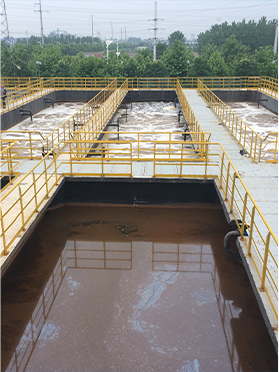
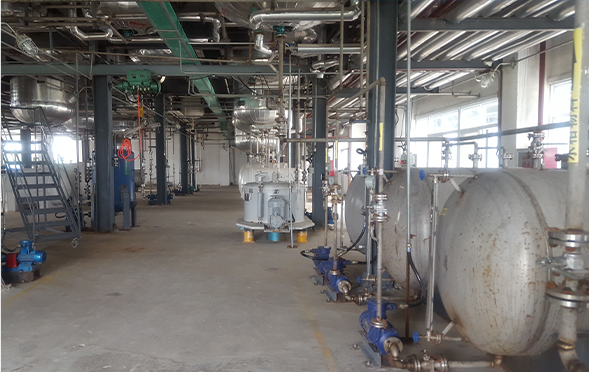
Manufacturing Facilities
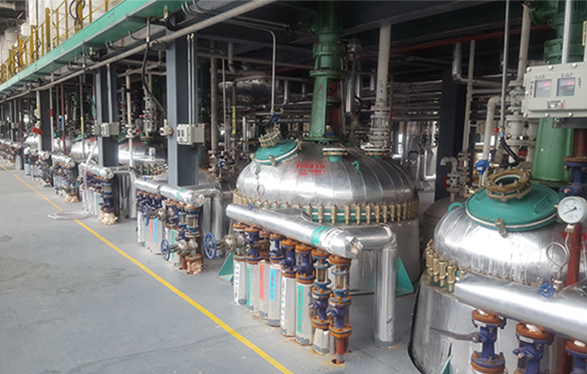
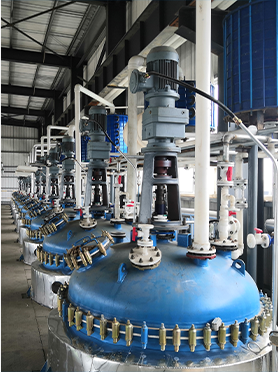
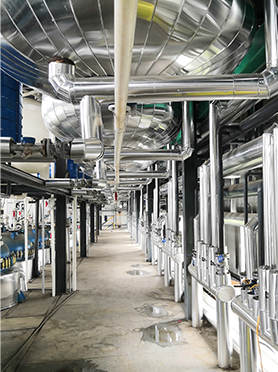
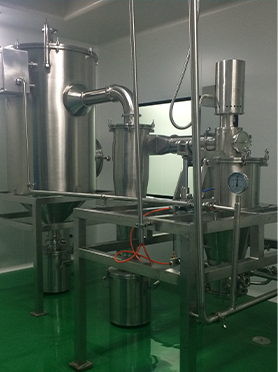
Professional Export Experience
to Global Customers
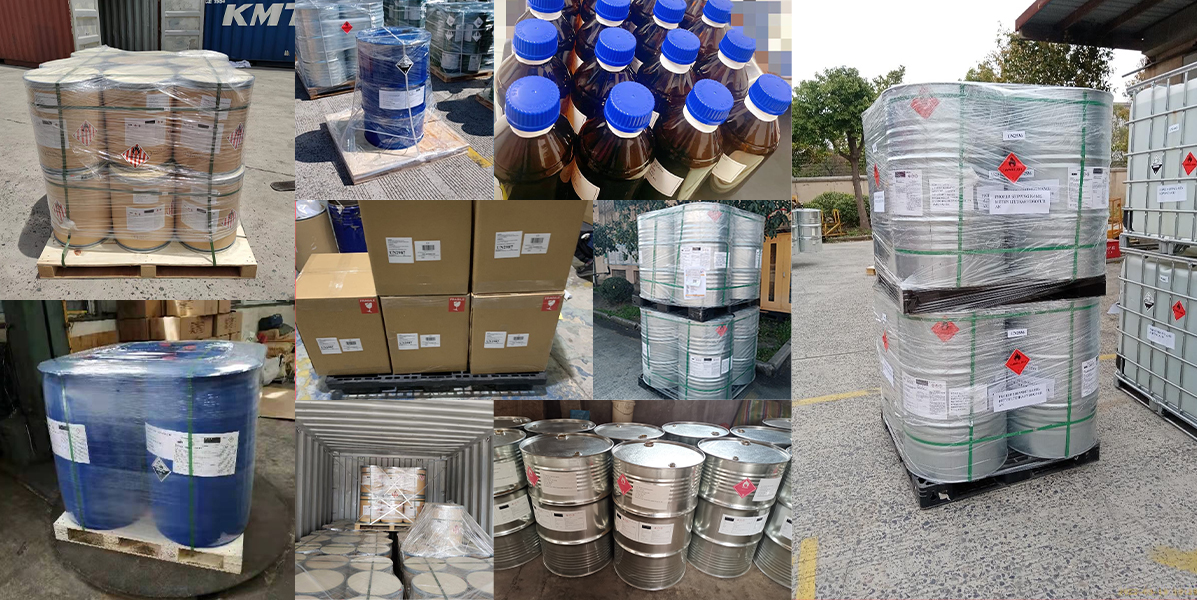
1. 20 years of R&D, manufacturing and sales experience, serving customers in 60 countries and regions around the world;
2. Own R&D laboratory, pilot platform and large-scale production workshop, which can meet the audit requirements of global customers;
3. We can satisfy customers' perfect transition from small scale lab requirements (gram level) to commercialization requirements (hundred tons level).
A: We don't have Minimum Order Quantity, exact quantity should be provided before quotation for us to calculate the exact cost.
A: We don't provide free samples due to lots of request and expensive international courier's cost, we can deduct the sample charge after commercial order placed.
A: Our payment terms: Small or sample order: T/T IN ADVANCE. Commercial order: First order should be by T/T IN ADVANCE or L/C at sight, and following orders T/T 30~90days is acceptable subject to approval of credit application.