Custom Manufacturing, Project Outsourcing, your Trusted Partner from China
The process of UV curing is a sophisticated chemical transformation that relies heavily on the presence and function of photoinitiators. NINGBO INNO PHARMCHEM CO.,LTD. is committed to demystifying this science and highlighting the critical role of components like TPO-L in achieving effective UV curing.
At its core, UV curing involves the rapid polymerization of monomers and oligomers when exposed to ultraviolet light. The photoinitiator acts as the catalyst for this reaction. When UV light strikes the photoinitiator molecule, it absorbs this energy and breaks down into reactive species, typically free radicals or cations. These reactive species then initiate a chain reaction, causing the monomers and oligomers in the formulation to link together, forming a solid, cured film.
TPO-L is classified as a Type I photoinitiator, meaning it undergoes unimolecular fragmentation upon UV absorption to directly generate initiating radicals. This process is highly efficient and leads to fast curing speeds. The chemical structure of TPO-L allows it to absorb UV light across a useful spectrum, making it particularly effective with UV LED light sources that emit in specific wavelength bands. This spectral compatibility is a key reason for its growing popularity.
The benefits of using TPO-L, as highlighted by NINGBO INNO PHARMCHEM CO.,LTD., include its ability to induce deep cure and its minimal contribution to yellowing. Deep cure ensures that the entire thickness of the coating or ink is polymerized, leading to superior mechanical properties and durability. Low yellowing is crucial for maintaining the visual appeal of the cured product, especially in applications where color fidelity is important.
For those in the chemical industry or manufacturing sectors looking to purchase TPO-L, understanding its mechanism of action is key to optimizing formulations. The efficiency, low yellowing, and LED compatibility of TPO-L make it a valuable asset for formulators seeking to enhance their UV curing processes and develop advanced materials. NINGBO INNO PHARMCHEM CO.,LTD. provides TPO-L as a reliable solution for these needs.
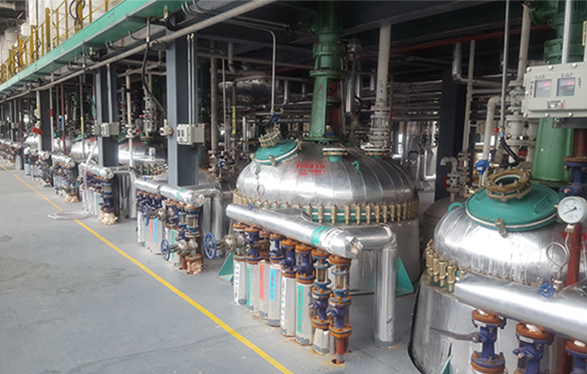
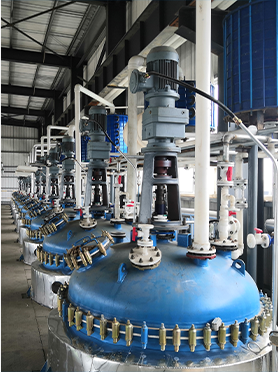
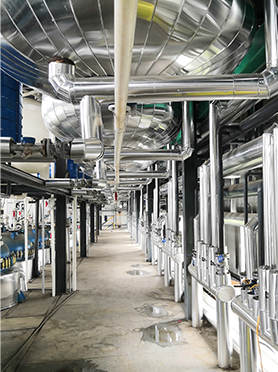
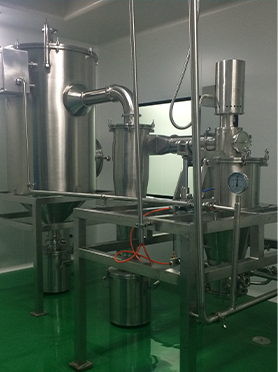
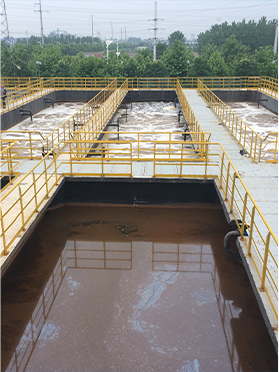
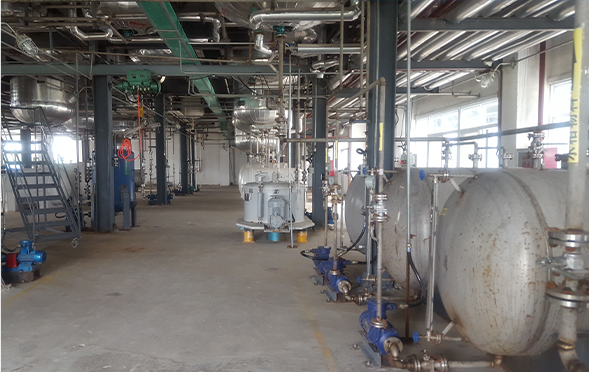
Manufacturing Facilities
Professional Export Experience
to Global Customers
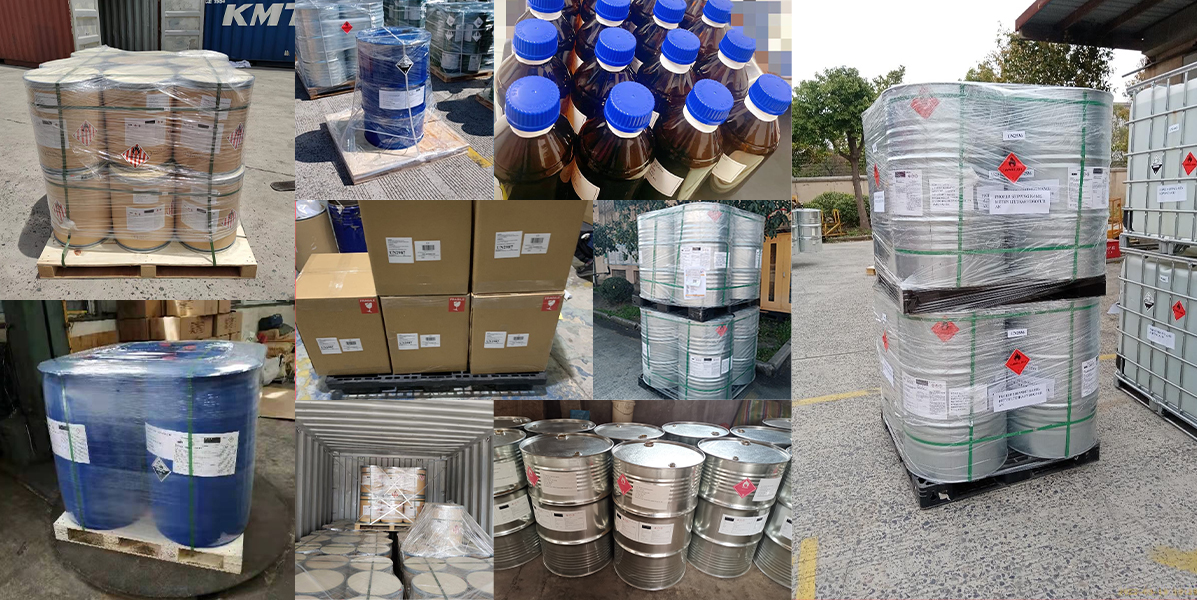
1. 20 years of R&D, manufacturing and sales experience, serving customers in 60 countries and regions around the world;
2. Own R&D laboratory, pilot platform and large-scale production workshop, which can meet the audit requirements of global customers;
3. We can satisfy customers' perfect transition from small scale lab requirements (gram level) to commercialization requirements (hundred tons level).
A: We don't have Minimum Order Quantity, exact quantity should be provided before quotation for us to calculate the exact cost.
A: We don't provide free samples due to lots of request and expensive international courier's cost, we can deduct the sample charge after commercial order placed.
A: Our payment terms: Small or sample order: T/T IN ADVANCE. Commercial order: First order should be by T/T IN ADVANCE or L/C at sight, and following orders T/T 30~90days is acceptable subject to approval of credit application.