
Custom Manufacturing, Project Outsourcing, your Trusted Partner from China
Polyacrylamide (PAM) is a versatile polymer widely employed across industries for its exceptional flocculating, thickening, and friction-reducing properties. From water treatment and enhanced oil recovery to soil conditioning, its applications are vast. However, a critical aspect for environmental scientists, regulators, and industrial users alike is understanding PAM's behavior and fate within environmental systems. This involves exploring the mechanisms of polyacrylamide degradation and their implications.
PAM, particularly high molecular weight variants, can undergo degradation through several pathways: chemical, mechanical, thermal, photolytic, and biological. Chemical degradation often involves free radicals, which can be generated by interactions with metal ions, oxidants, or UV radiation. Mechanical degradation occurs due to shear forces, especially prevalent in high-pressure industrial applications like hydraulic fracturing or flowing through porous media. Thermal degradation can happen at elevated temperatures, though it typically requires much higher heat than encountered in most environmental scenarios.
Photolytic degradation is influenced by UV light exposure, common in surface water applications. Biological degradation is facilitated by microorganisms that can utilize PAM as a nutrient source, breaking down the polymer chains. Each of these mechanisms can lead to a reduction in molecular weight, potentially altering the polymer's mobility and efficacy in the environment. For industries that rely on PAM, understanding these degradation processes is crucial for effective product selection and environmental stewardship.
A significant concern arising from PAM degradation is the potential release of residual acrylamide monomer, which is a known neurotoxin and potential carcinogen. While commercial PAM products are regulated to have low residual monomer content, environmental degradation pathways can, under certain conditions, increase the mobility of these monomers. This underscores the importance of responsible use and disposal of PAM-containing products.
For professionals in the field, staying informed about the latest research on PAM degradation is key. As a company committed to advancing chemical solutions responsibly, we monitor these developments closely. For those seeking information on sourcing reliable polyacrylamide for industrial use, we offer products manufactured under strict quality controls. We encourage potential buyers and researchers to consult comprehensive scientific literature and engage with knowledgeable suppliers to ensure the safe and effective application of polyacrylamide in any context. Understanding these environmental factors is vital for sustainable industrial practices.
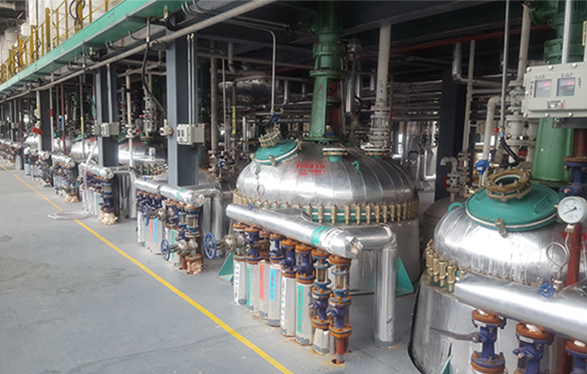
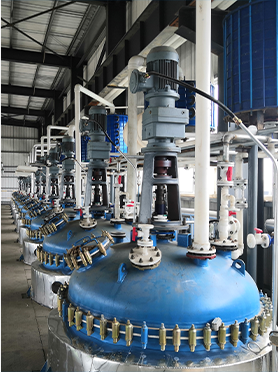
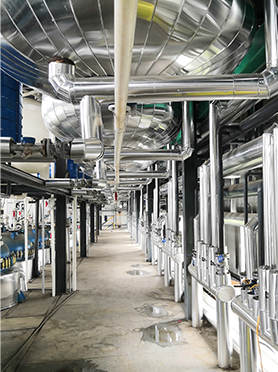
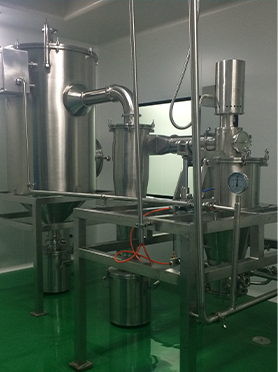
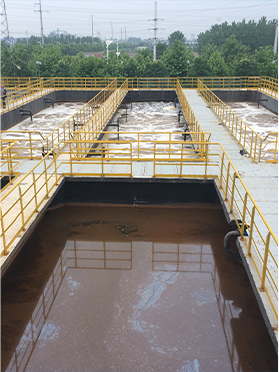
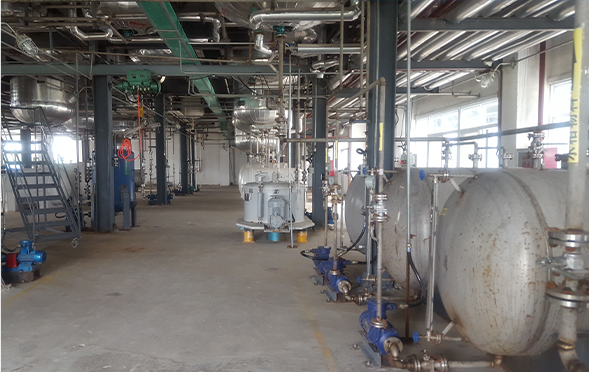
Manufacturing Facilities
Professional Export Experience
to Global Customers
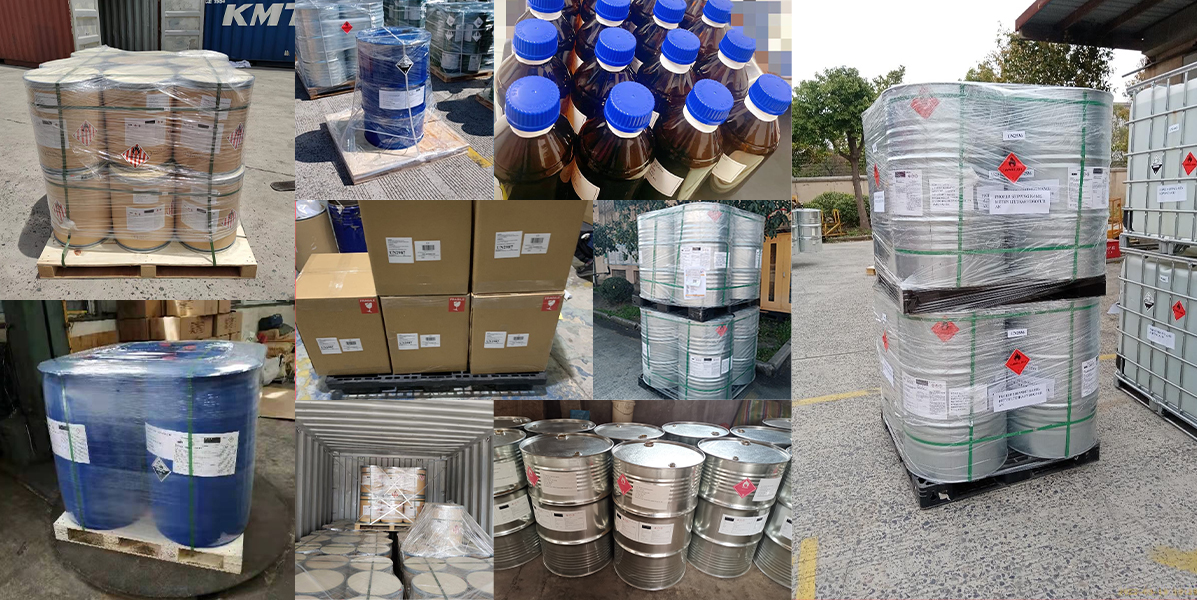
1. 20 years of R&D, manufacturing and sales experience, serving customers in 60 countries and regions around the world;
2. Own R&D laboratory, pilot platform and large-scale production workshop, which can meet the audit requirements of global customers;
3. We can satisfy customers' perfect transition from small scale lab requirements (gram level) to commercialization requirements (hundred tons level).
A: We don't have Minimum Order Quantity, exact quantity should be provided before quotation for us to calculate the exact cost.
A: We don't provide free samples due to lots of request and expensive international courier's cost, we can deduct the sample charge after commercial order placed.
A: Our payment terms: Small or sample order: T/T IN ADVANCE. Commercial order: First order should be by T/T IN ADVANCE or L/C at sight, and following orders T/T 30~90days is acceptable subject to approval of credit application.