
Custom Manufacturing, Project Outsourcing, your Trusted Partner from China
Polyacrylamide (PAM) is a highly versatile polymer widely employed in the papermaking industry for its exceptional properties as a retention aid, filter aid, dispersant, and flocculant. However, not all PAMs are created equal. Understanding the different types of polyacrylamide – primarily anionic, cationic, and non-ionic – is crucial for selecting the most effective product for specific papermaking applications and achieving optimal results.
1. Anionic Polyacrylamide (APAM):
Anionic PAM carries a negative charge along its polymer chain. In papermaking, APAM is particularly effective in applications where the pulp system has a positive charge or where strong flocculation of negatively charged particles is required. It is commonly used as:
APAM typically performs best in neutral to alkaline pH conditions.
2. Cationic Polyacrylamide (CPAM):
Cationic PAM possesses a positive charge, making it highly effective in systems with negatively charged components, which is prevalent in papermaking. CPAM is widely used as:
CPAM is particularly effective in neutral to acidic conditions.
3. Non-ionic Polyacrylamide (NPAM):
Non-ionic PAM has minimal to no charge along its polymer chain. Its effectiveness relies primarily on bridging mechanisms. NPAM is often used for:
While less common as a primary retention aid in papermaking compared to CPAM, NPAM finds its niche applications where charge neutrality is beneficial.
NINGBO INNO PHARMCHEM CO.,LTD. offers a comprehensive portfolio of polyacrylamide products, catering to the diverse needs of the papermaking industry. Our technical team can assist in selecting the most appropriate PAM type and concentration to optimize your specific papermaking processes and achieve your quality and efficiency goals.
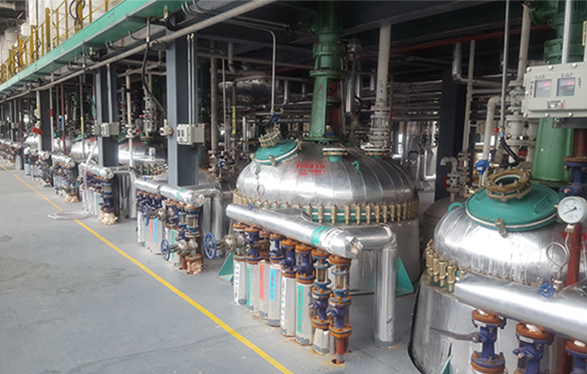
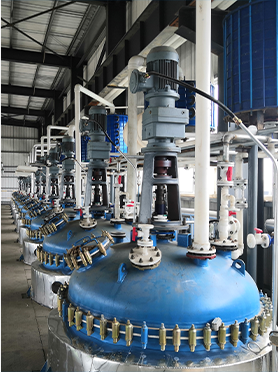
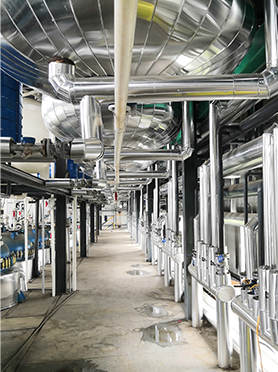
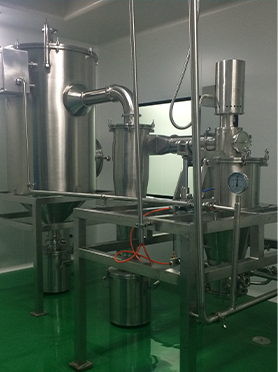
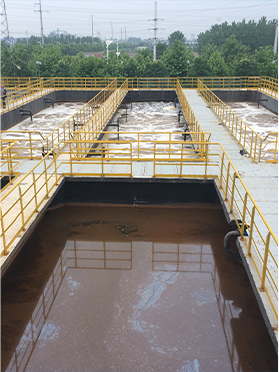
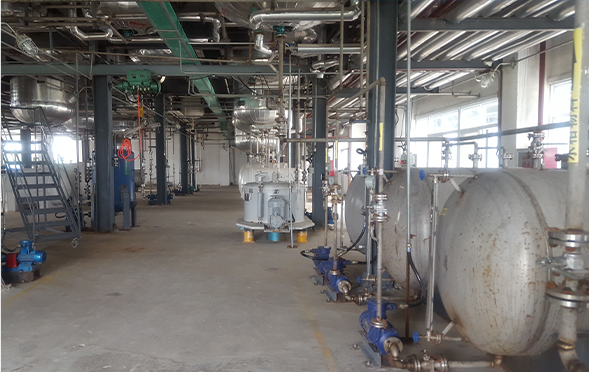
Manufacturing Facilities
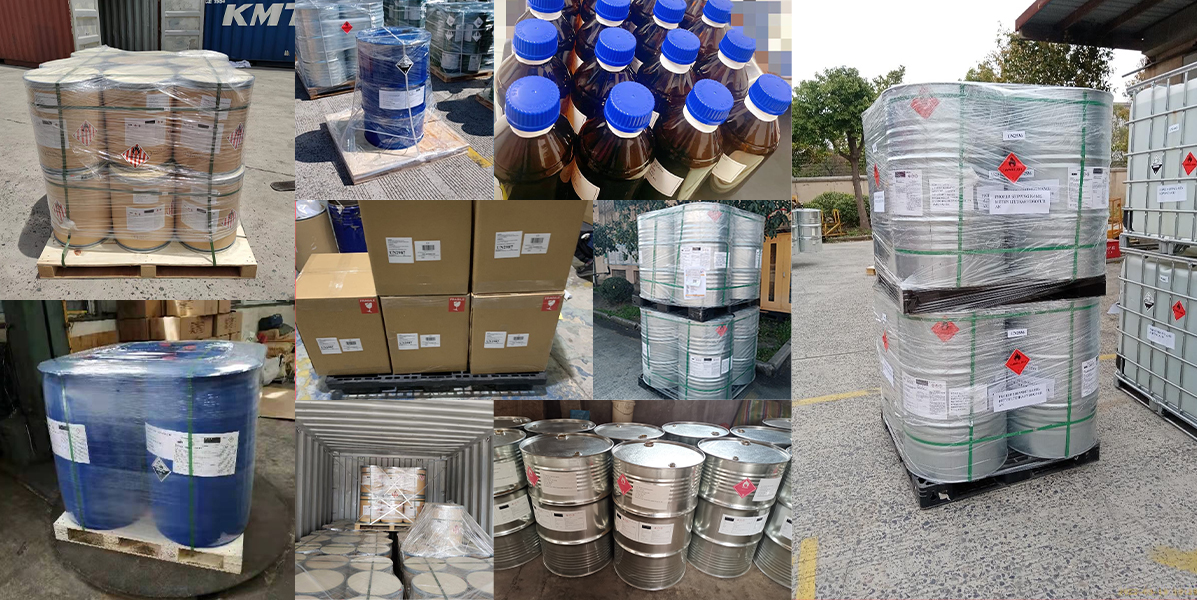
Professional Export Experience
to Global Customers
1. 20 years of R&D, manufacturing and sales experience, serving customers in 60 countries and regions around the world;
2. Own R&D laboratory, pilot platform and large-scale production workshop, which can meet the audit requirements of global customers;
3. We can satisfy customers' perfect transition from small scale lab requirements (gram level) to commercialization requirements (hundred tons level).
A: We don't have Minimum Order Quantity, exact quantity should be provided before quotation for us to calculate the exact cost.
A: We don't provide free samples due to lots of request and expensive international courier's cost, we can deduct the sample charge after commercial order placed.
A: Our payment terms: Small or sample order: T/T IN ADVANCE. Commercial order: First order should be by T/T IN ADVANCE or L/C at sight, and following orders T/T 30~90days is acceptable subject to approval of credit application.