
Custom Manufacturing, Project Outsourcing, your Trusted Partner from China
Polyvinyl Alcohol (PVA) is a remarkable synthetic polymer valued across numerous industries for its diverse applications, ranging from adhesives and textiles to paper coatings and construction materials. The performance of PVA in any given application is critically dependent on its unique properties, primarily its degree of hydrolysis and molecular weight (often expressed as solution viscosity). For procurement managers, R&D scientists, and product formulators, understanding these fundamental characteristics is key to selecting the right PVA grade from a reliable manufacturer or supplier.
As a leading Polyvinyl Alcohol manufacturer and supplier, we are committed to providing clarity on these essential properties. This guide aims to demystify the concepts of hydrolysis and viscosity and explain their impact on PVA's behavior.
The Significance of Hydrolysis in PVA:
Polyvinyl Alcohol is synthesized by the hydrolysis of polyvinyl acetate. The degree of hydrolysis refers to the percentage of acetate groups in the polyvinyl acetate polymer that have been converted into hydroxyl (-OH) groups. This process fundamentally alters the polymer's properties, particularly its solubility, water sensitivity, and adhesive characteristics.
Understanding Molecular Weight and Viscosity:
The molecular weight of PVA, which dictates its viscosity in solution, is another crucial parameter. Viscosity is typically measured in centipoise (cP) or as a solution viscosity (e.g., 4-6 cP for a 4% solution at 20°C). Higher molecular weight grades result in more viscous solutions and stronger films.
Choosing the Right PVA: A Strategic Decision
Selecting the correct combination of hydrolysis and viscosity is critical for optimal performance. As a trusted Polyvinyl Alcohol supplier, we offer a broad spectrum of grades designed to meet specific industrial requirements. Whether you are looking to buy PVA for a new adhesive formulation or to optimize an existing process, consulting with our technical experts can help you identify the ideal product. Partner with us for high-quality PVA and expert guidance to ensure your procurement meets your exact needs.
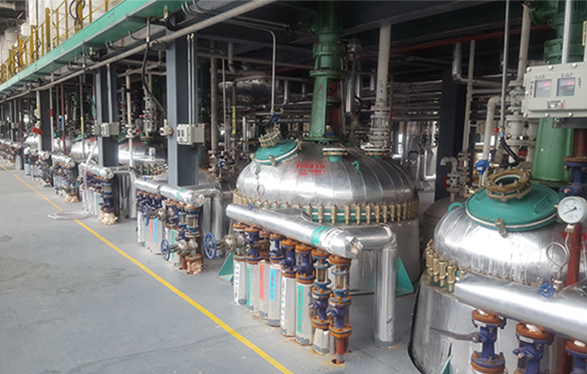
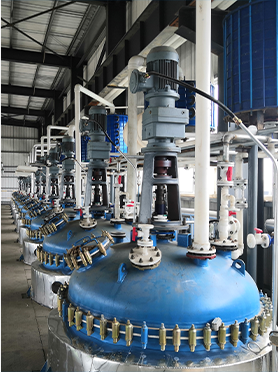
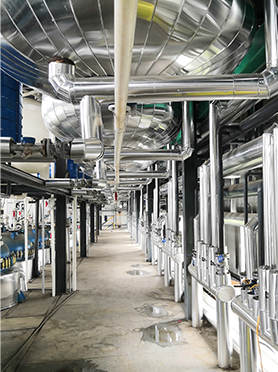
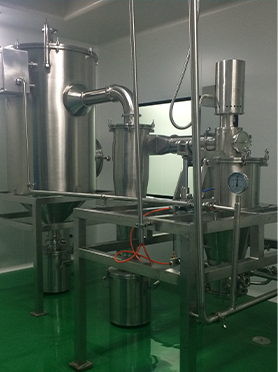
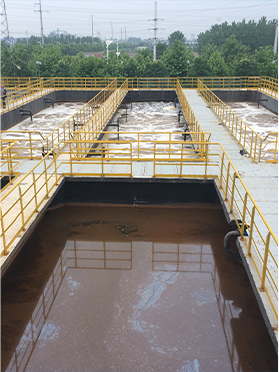
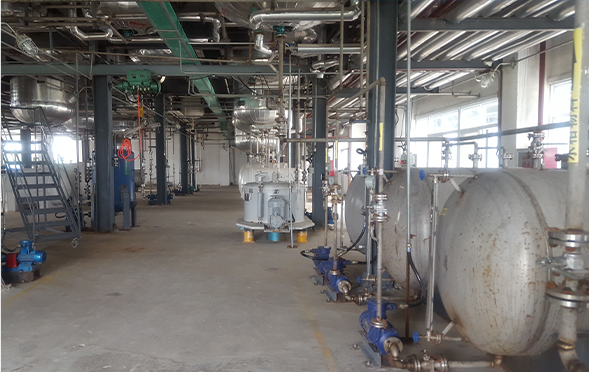
Manufacturing Facilities
Professional Export Experience
to Global Customers
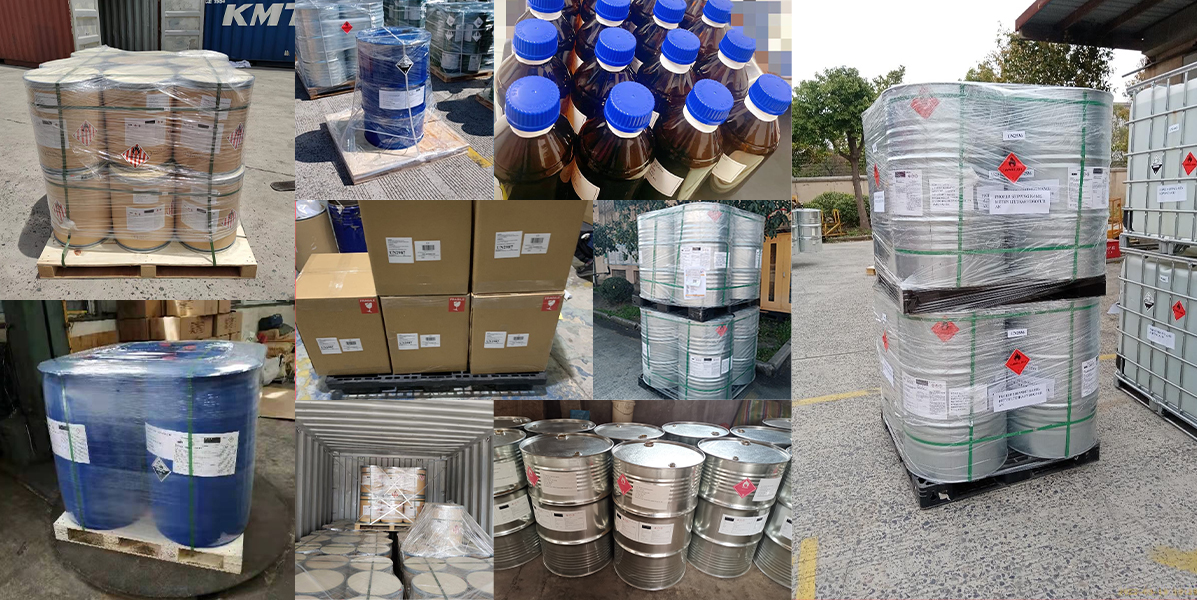
1. 20 years of R&D, manufacturing and sales experience, serving customers in 60 countries and regions around the world;
2. Own R&D laboratory, pilot platform and large-scale production workshop, which can meet the audit requirements of global customers;
3. We can satisfy customers' perfect transition from small scale lab requirements (gram level) to commercialization requirements (hundred tons level).
A: We don't have Minimum Order Quantity, exact quantity should be provided before quotation for us to calculate the exact cost.
A: We don't provide free samples due to lots of request and expensive international courier's cost, we can deduct the sample charge after commercial order placed.
A: Our payment terms: Small or sample order: T/T IN ADVANCE. Commercial order: First order should be by T/T IN ADVANCE or L/C at sight, and following orders T/T 30~90days is acceptable subject to approval of credit application.