
Custom Manufacturing, Project Outsourcing, your Trusted Partner from China
Rodenticides are essential tools in managing pest populations that can cause significant damage to property, transmit diseases, and disrupt agricultural output. While the final rodenticide products are well-known, the complex chemical synthesis behind them often relies on highly specific and pure intermediates. This article delves into the importance of these chemical building blocks, using 1-(2-Fluoro-6-(Trifluoromethyl)Benzyl)Urea as a prime example.
The Science of Pest Control: Rodenticides work through various mechanisms, including interfering with blood clotting (anticoagulants), disrupting metabolic processes, or acting as neurotoxins. The development of effective and targeted rodenticides involves extensive research and development, where specific molecular structures are designed to achieve desired biological activity. This is where chemical intermediates play a crucial role.
1-(2-Fluoro-6-(Trifluoromethyl)Benzyl)Urea: A Key Intermediate: This particular compound, identified by CAS 830346-46-8, is a significant intermediate in the synthesis of modern rodenticides, such as flufafax. Its chemical structure, featuring a fluorinated benzyl group and a urea moiety, provides a foundation for creating molecules with potent pest-controlling properties. The presence of fluorine atoms and the trifluoromethyl group often enhances the stability, lipophilicity, and biological activity of the final compound.
Why Purity Matters in Synthesis: For manufacturers aiming to produce high-performance rodenticides, the purity of intermediates like 1-(2-Fluoro-6-(Trifluoromethyl)Benzyl)Urea is non-negotiable. A purity level of 99.5% or higher ensures that the subsequent chemical reactions proceed as intended, minimizing the formation of unwanted byproducts. This high level of purity directly impacts the efficacy of the final rodenticide, its safety profile, and its compliance with regulatory standards. When you buy this intermediate, you are investing in the quality of your end product.
Sourcing from Reliable Suppliers: Procurement managers and R&D scientists seeking to buy 1-(2-Fluoro-6-(Trifluoromethyl)Benzyl)Urea often look to specialized chemical manufacturers in regions like China, known for their robust chemical production capabilities. Identifying a 'manufacturer supplier' that guarantees high assay values, provides necessary documentation (like SDS and TDS), and offers competitive pricing for bulk purchases is key to a successful sourcing strategy. Understanding the CAS number (830346-46-8) helps in pinpointing the exact chemical required.
Beyond Rodenticides: While its primary application lies in rodenticide synthesis, the unique structural features of 1-(2-Fluoro-6-(Trifluoromethyl)Benzyl)Urea might also make it a valuable compound for research in other areas of agrochemistry or even specialized pharmaceutical applications. Its role as a versatile building block underscores the importance of the fine chemical industry in driving innovation across multiple sectors.
In essence, the effectiveness of modern pest control solutions is deeply rooted in the quality of the chemical intermediates used in their creation. For any formulator looking to leverage the power of advanced rodenticides, sourcing high-purity compounds like 1-(2-Fluoro-6-(Trifluoromethyl)Benzyl)Urea from a reliable manufacturer is a fundamental step towards achieving successful and compliant products. Consider us your trusted partner for this crucial chemical intermediate.
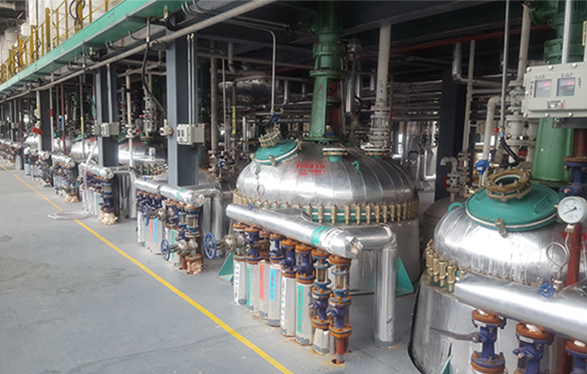
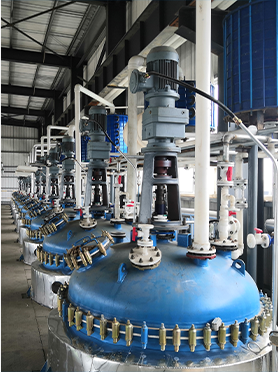
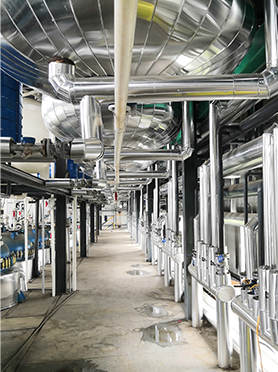
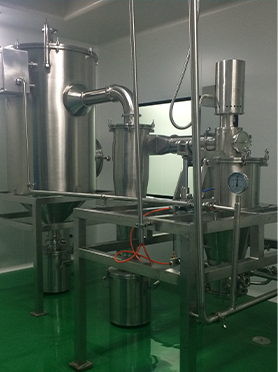
Manufacturing Facilities
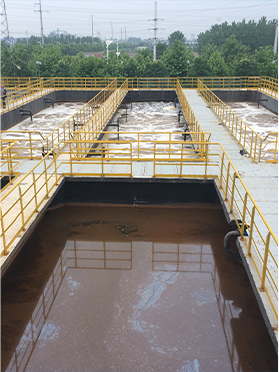
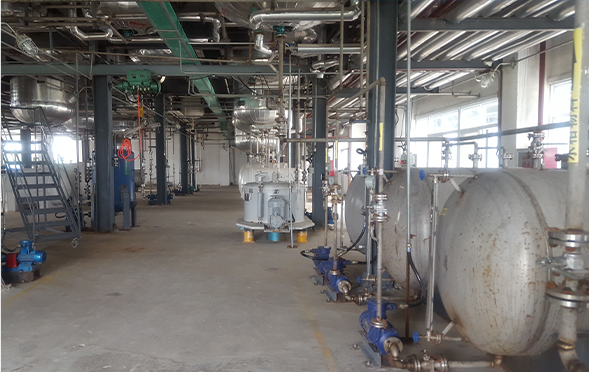
Professional Export Experience
to Global Customers
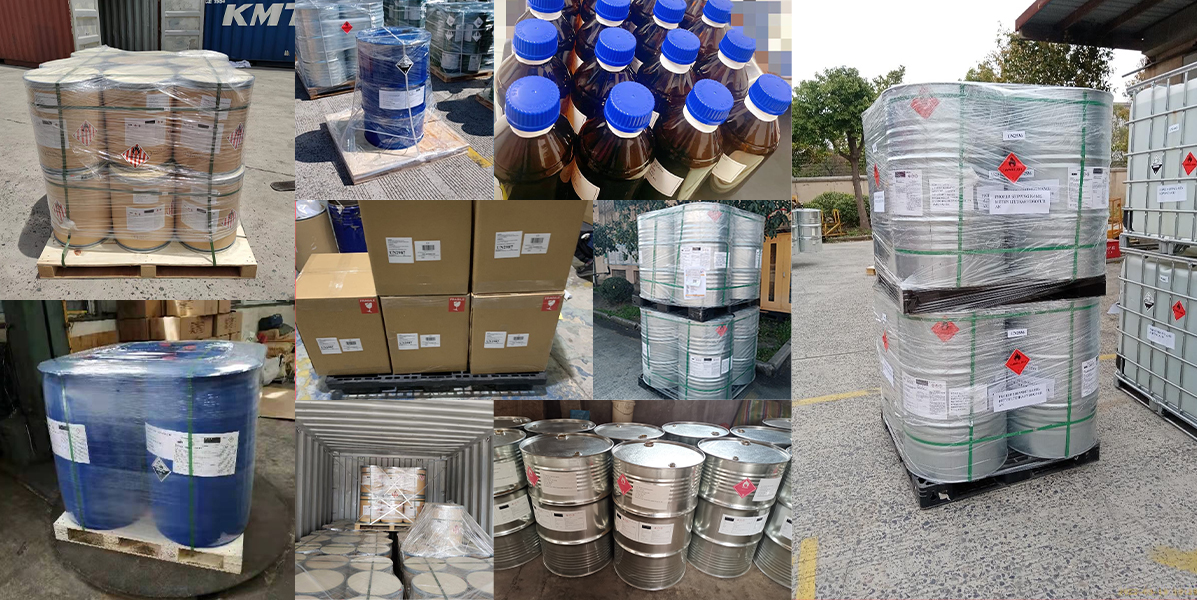
1. 20 years of R&D, manufacturing and sales experience, serving customers in 60 countries and regions around the world;
2. Own R&D laboratory, pilot platform and large-scale production workshop, which can meet the audit requirements of global customers;
3. We can satisfy customers' perfect transition from small scale lab requirements (gram level) to commercialization requirements (hundred tons level).
A: We don't have Minimum Order Quantity, exact quantity should be provided before quotation for us to calculate the exact cost.
A: We don't provide free samples due to lots of request and expensive international courier's cost, we can deduct the sample charge after commercial order placed.
A: Our payment terms: Small or sample order: T/T IN ADVANCE. Commercial order: First order should be by T/T IN ADVANCE or L/C at sight, and following orders T/T 30~90days is acceptable subject to approval of credit application.