
Custom Manufacturing, Project Outsourcing, your Trusted Partner from China
When working with industrial chemicals, a thorough understanding of their safety profiles and proper handling procedures is not just recommended, but essential. 2,4,6-Trichlorophenol (CAS 88-06-2) is a compound with significant industrial utility, but like many chemicals, it requires careful management to ensure the safety of personnel and the environment. This article provides an overview of its safety considerations and handling best practices for professionals in the chemical and manufacturing sectors.
Safety Profile of 2,4,6-Trichlorophenol
Information from Safety Data Sheets (SDS) and toxicological databases indicates that 2,4,6-Trichlorophenol is classified with certain hazard statements. It is known to be harmful if swallowed and can cause skin and serious eye irritation. Furthermore, there is limited evidence of a carcinogenic effect, and it is recognized as being toxic to aquatic organisms with long-lasting effects. These classifications necessitate a proactive approach to safety when handling this substance.
Recommended Handling Procedures
When you buy 2,4,6-trichlorophenol, it is imperative to implement stringent safety protocols. Key recommendations include:
Storage and Disposal
Proper storage is critical for maintaining chemical integrity and safety. 2,4,6-Trichlorophenol should be stored in a cool, dry, and well-ventilated area, away from incompatible materials such as strong oxidizing agents. Containers should be kept tightly closed when not in use. Disposal of 2,4,6-Trichlorophenol and its waste must adhere to local, regional, and national regulations for hazardous waste management. Consult with your environmental health and safety department or a certified waste disposal company.
Information for Procurement Professionals
For procurement managers and R&D scientists seeking to source 2,4,6-Trichlorophenol, it's important to partner with reputable 2,4,6-trichlorophenol manufacturers and suppliers. These suppliers should readily provide comprehensive SDS and technical information to support safe handling and compliance. Understanding the product's specifications, such as purity (e.g., ≥99%), and its intended applications will also help in assessing risks and implementing appropriate controls.
Conclusion
While 2,4,6-Trichlorophenol is a valuable industrial chemical, its handling requires diligence and adherence to safety best practices. By prioritizing proper PPE, ventilation, storage, and disposal, professionals can mitigate risks associated with its use. When sourcing this material, always engage with trusted suppliers who prioritize safety and provide necessary documentation to ensure responsible chemical management.
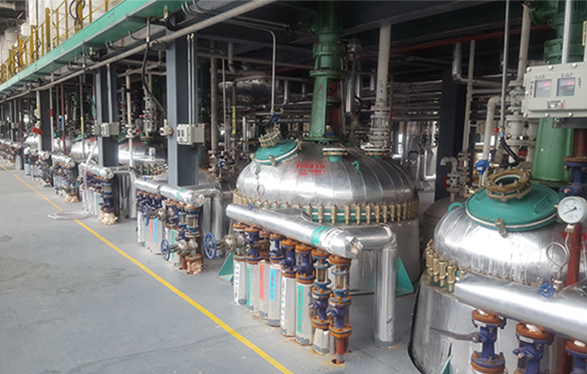
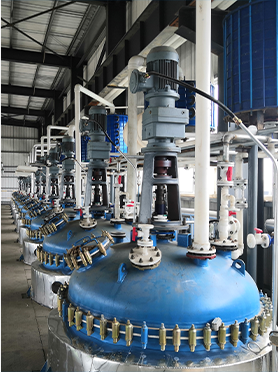
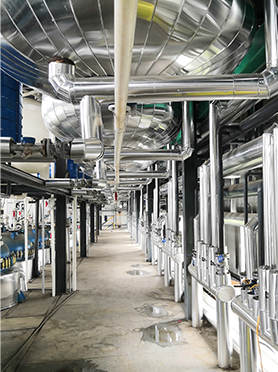
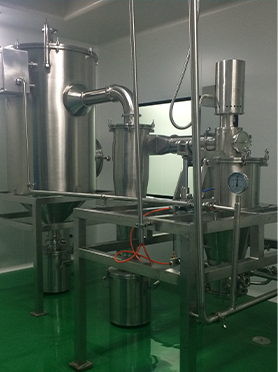
Manufacturing Facilities
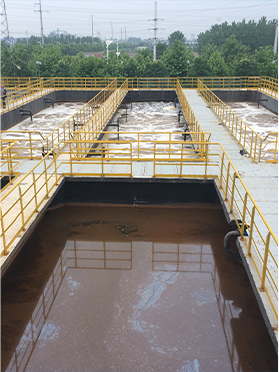
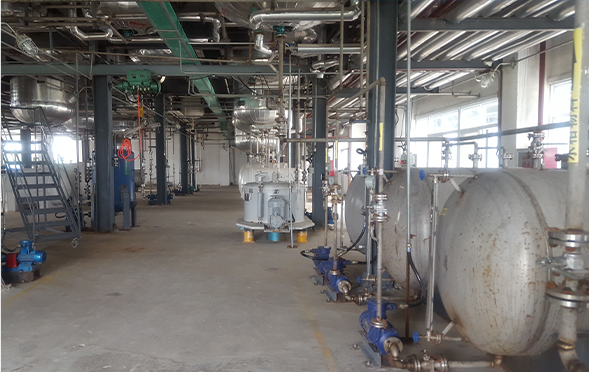
Professional Export Experience
to Global Customers
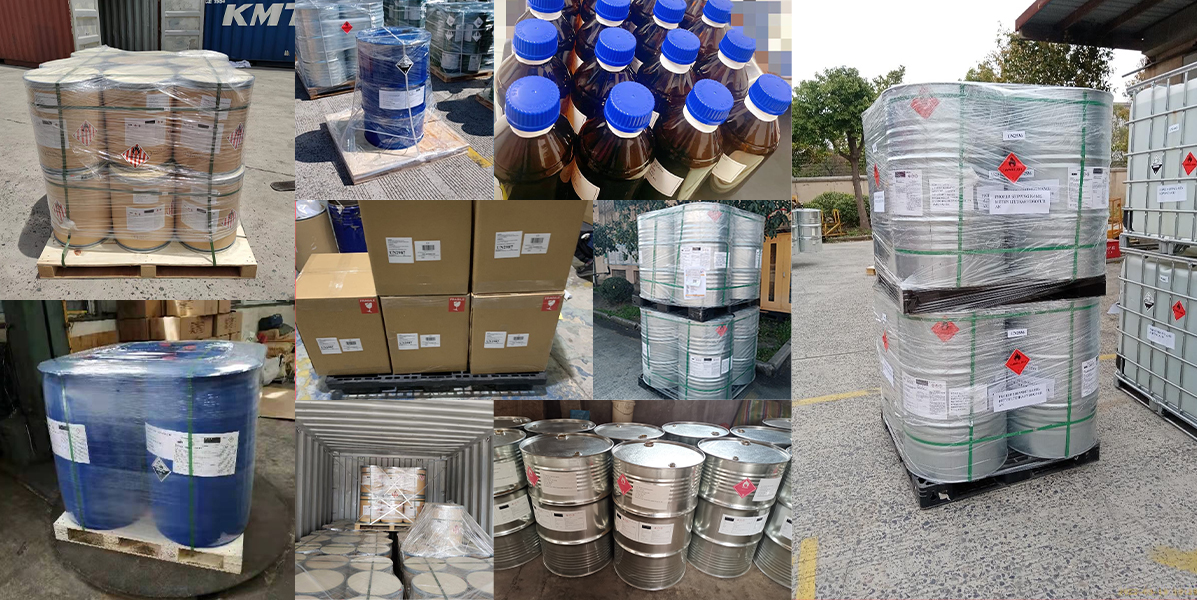
1. 20 years of R&D, manufacturing and sales experience, serving customers in 60 countries and regions around the world;
2. Own R&D laboratory, pilot platform and large-scale production workshop, which can meet the audit requirements of global customers;
3. We can satisfy customers' perfect transition from small scale lab requirements (gram level) to commercialization requirements (hundred tons level).
A: We don't have Minimum Order Quantity, exact quantity should be provided before quotation for us to calculate the exact cost.
A: We don't provide free samples due to lots of request and expensive international courier's cost, we can deduct the sample charge after commercial order placed.
A: Our payment terms: Small or sample order: T/T IN ADVANCE. Commercial order: First order should be by T/T IN ADVANCE or L/C at sight, and following orders T/T 30~90days is acceptable subject to approval of credit application.