
Custom Manufacturing, Project Outsourcing, your Trusted Partner from China
The world of textile auxiliaries is diverse, with numerous products designed to enhance fabric properties. Among the most common and essential are softener flakes, crucial for imparting that desirable soft touch and improved handle to various fabrics. Understanding the different types of softener flakes, particularly the distinction between nonionic and cationic varieties, is vital for textile chemists, formulators, and purchasing managers to select the most appropriate product for their specific needs. When you need to buy softener flakes, knowing these differences is the first step.
Softener flakes are generally categorized by their ionic charge, which dictates their interaction with textile fibers and other chemicals. The two most prevalent types are nonionic and cationic softener flakes.
Nonionic Softener Flakes:
As discussed previously, nonionic softener flakes are characterized by their neutral electrical charge. This neutrality makes them highly versatile. They exhibit excellent compatibility with most textile dyes, optical brighteners, and other finishing agents, minimizing the risk of color alteration or performance interference. Their primary function is to lubricate fibers, imparting softness, smoothness, and a pleasant handfeel without significantly affecting fabric absorbency. They are also known for their good hydrophilic properties and low yellowing tendencies, making them suitable for light shades and performance textiles. For many applications, including those requiring specific dye shades or high levels of whiteness, Nonionic Softener Flakes are the preferred choice. When seeking textile chemicals, their broad applicability makes them a staple.
Cationic Softener Flakes:
Cationic softener flakes possess a positive electrical charge. This charge allows them to strongly attract and adsorb onto the negatively charged surfaces of most textile fibers, including cotton and synthetics. This strong adsorption typically results in a superior softening effect, often described as fluffier or more voluminous, along with excellent antistatic properties. They are highly effective in providing a durable softness that can withstand multiple washes. However, their cationic nature can lead to interactions with anionic substances, such as certain dyes or finishing agents, potentially causing color changes or reduced effectiveness. They can also sometimes reduce the absorbency of fabrics like cotton towels. Cationic softeners are often chosen when the primary goal is maximum softness and durability, and when compatibility with other chemicals is not a major concern.
Choosing the Right Softener:
The selection between nonionic and cationic softener flakes largely depends on the specific textile application and the desired outcome. If maintaining vibrant colors, preserving fabric absorbency, or ensuring compatibility with a wide range of chemicals is critical, Nonionic Softener Flakes are generally the better option. They are ideal for light-colored fabrics, athletic wear, and any application where color integrity is paramount. If the absolute highest level of softness, fluffiness, and wash durability is the primary objective, and color compatibility is less of a concern, Cationic Softener Flakes may be considered.
For businesses looking to buy softener flakes, partnering with a reliable manufacturer and supplier is crucial. Many companies, including those based in China, offer both types of softener flakes, allowing you to choose the best fit for your needs. Understanding the technical specifications and application guidelines provided by the supplier will ensure optimal results. A good manufacturer will also offer competitive prices and consistent quality, supporting your production goals.
In conclusion, both Nonionic and Cationic Softener Flakes offer valuable benefits for textile finishing. By understanding their respective properties and applications, you can make an informed decision that best suits your product requirements and production processes.
Manufacturing Facilities
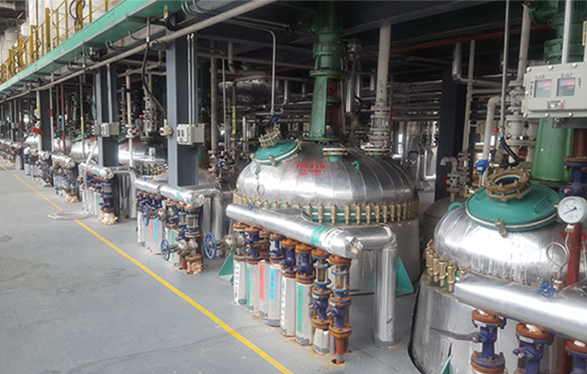
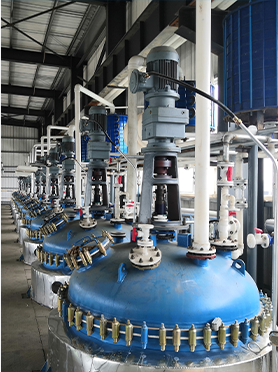
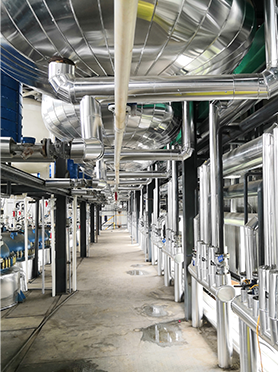
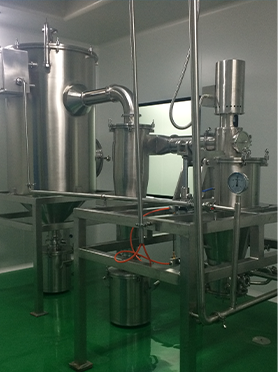
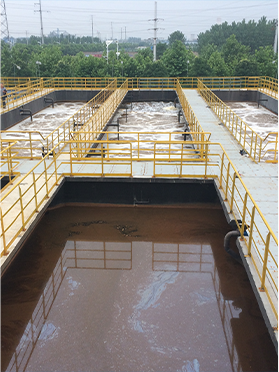
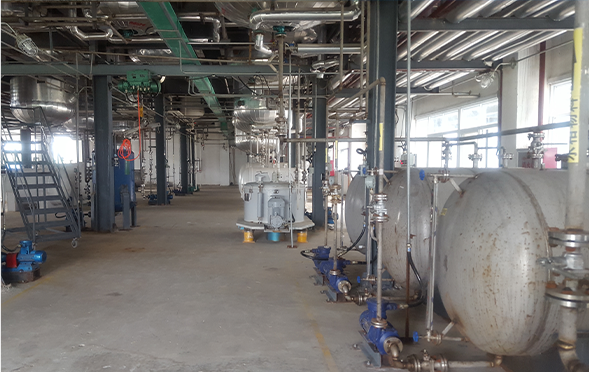
Professional Export Experience
to Global Customers
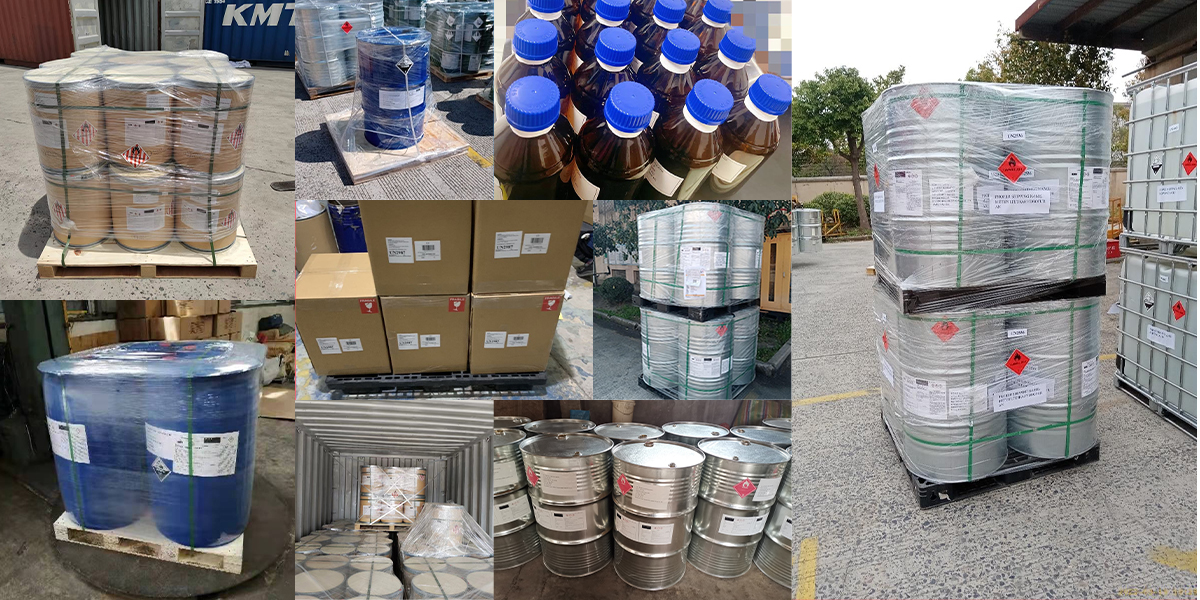
1. 20 years of R&D, manufacturing and sales experience, serving customers in 60 countries and regions around the world;
2. Own R&D laboratory, pilot platform and large-scale production workshop, which can meet the audit requirements of global customers;
3. We can satisfy customers' perfect transition from small scale lab requirements (gram level) to commercialization requirements (hundred tons level).
A: We don't have Minimum Order Quantity, exact quantity should be provided before quotation for us to calculate the exact cost.
A: We don't provide free samples due to lots of request and expensive international courier's cost, we can deduct the sample charge after commercial order placed.
A: Our payment terms: Small or sample order: T/T IN ADVANCE. Commercial order: First order should be by T/T IN ADVANCE or L/C at sight, and following orders T/T 30~90days is acceptable subject to approval of credit application.