
Custom Manufacturing, Project Outsourcing, your Trusted Partner from China
For professionals in the chemical industry, a precise understanding of raw material specifications is fundamental to successful product development and manufacturing. 1,4-Butanediol Diacrylate (BDDA) is a difunctional acrylate monomer that requires careful consideration of its technical parameters. This guide will explore the critical specifications of BDDA, offering insights for procurement managers, R&D scientists, and product formulators aiming to source this material effectively from reputable manufacturers.
The chemical identity of BDDA is straightforward: its CAS Registry Number is 1070-70-8. This unique identifier is crucial for accurate sourcing and regulatory compliance. The molecular formula is C10H14O4, with a molecular weight of approximately 198.22 g/mol. Understanding these basic identifiers ensures that you are procuring the correct chemical compound.
A primary specification to consider is the appearance. BDDA is consistently described as a clear, colorless liquid. This visual characteristic is an initial indicator of purity and quality. Any deviation from this description, such as cloudiness or discoloration, could signal contamination or degradation, prompting a need for further investigation or rejection of the batch. When purchasing, always look for suppliers who provide clear images or guarantee this appearance.
Purity is arguably the most critical specification. While various grades exist, a common offering is BDDA with a minimum purity of 98.0%. Higher purity levels, often exceeding 99%, are available for more demanding applications where the presence of impurities could negatively affect polymerization kinetics or final product properties. As a dedicated supplier, we emphasize the importance of specifying the required purity level based on your application's needs. For instance, the referenced source material notes purity levels of min. 98.0% and also discusses grades of ≥ 85% and ≥ 90%.
Acid content and moisture content are also vital specifications. Acid content, typically measured as a maximum of 0.5%, indicates the presence of acidic impurities, which can interfere with polymerization. Moisture content, usually capped at 0.2%, is important as water can affect reactivity and stability. Low levels of these impurities are indicative of a high-quality product.
Stabilization is another key aspect. BDDA requires stabilizers to prevent premature polymerization during storage and transportation. Common stabilizers include MEHQ (Monomethyl Ether of Hydroquinone) or hydroquinone, usually present in concentrations ranging from 50 to 400 ppm. The specific type and concentration of the stabilizer can influence the monomer's shelf life and handling requirements. A reliable manufacturer will clearly indicate the stabilization details on their product specifications.
When looking to buy BDDA, understanding these specifications allows you to make informed decisions and engage in productive conversations with potential suppliers. For international procurement, especially from China, it is advisable to compare specifications across multiple vendors and request technical data sheets (TDS) and Certificates of Analysis (CoA) for each batch. This due diligence ensures you are sourcing material that consistently meets your performance requirements.
The price of BDDA is influenced by purity, volume, and supplier. Bulk purchases from experienced manufacturers often offer significant cost advantages. However, it is paramount not to compromise on quality for price alone. The risk of using sub-standard material can lead to formulation failures, production delays, and ultimately, reputational damage.
In summary, a thorough understanding of 1,4-Butanediol Diacrylate's specifications—including CAS number, appearance, purity, acid and moisture content, and stabilization—is essential for successful procurement. By partnering with reputable manufacturers and suppliers who provide transparent documentation and consistent quality, formulators can confidently integrate BDDA into their advanced chemical products. We encourage you to request a quote and discuss your specific needs with our team.
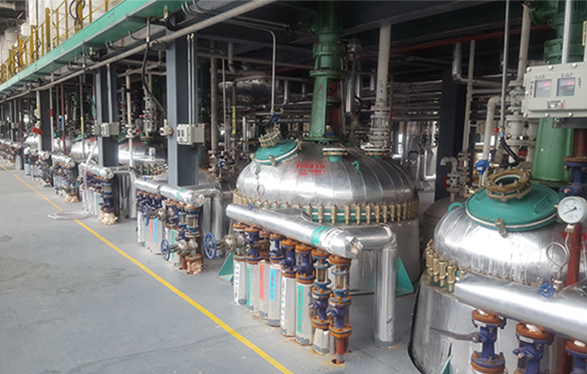
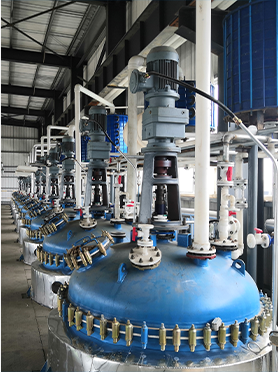
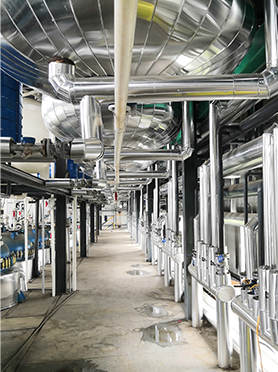
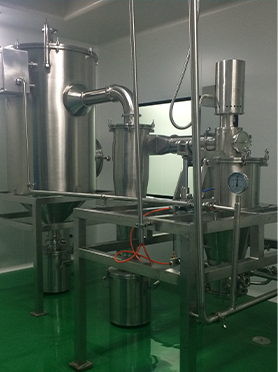
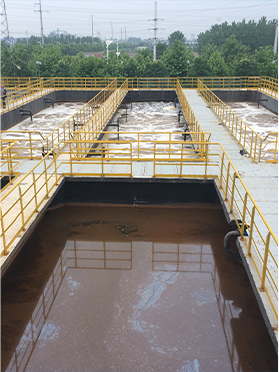
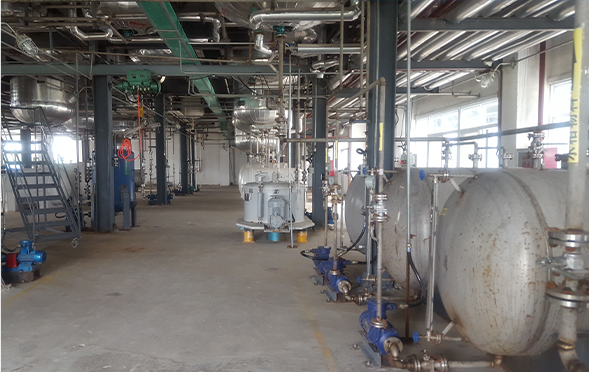
Manufacturing Facilities
Professional Export Experience
to Global Customers
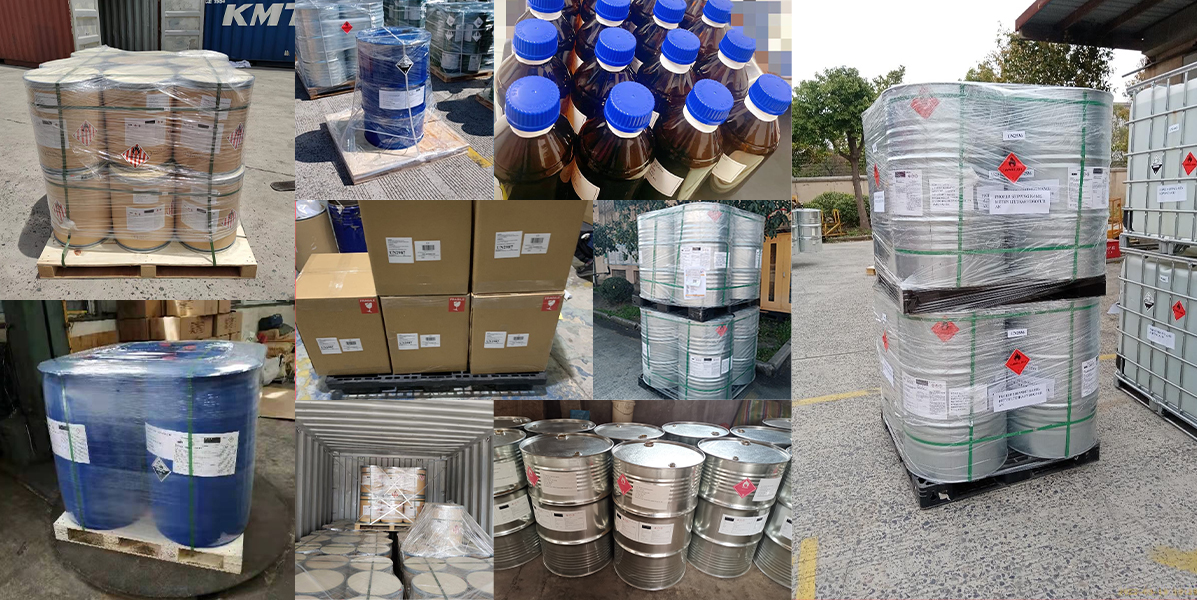
1. 20 years of R&D, manufacturing and sales experience, serving customers in 60 countries and regions around the world;
2. Own R&D laboratory, pilot platform and large-scale production workshop, which can meet the audit requirements of global customers;
3. We can satisfy customers' perfect transition from small scale lab requirements (gram level) to commercialization requirements (hundred tons level).
A: We don't have Minimum Order Quantity, exact quantity should be provided before quotation for us to calculate the exact cost.
A: We don't provide free samples due to lots of request and expensive international courier's cost, we can deduct the sample charge after commercial order placed.
A: Our payment terms: Small or sample order: T/T IN ADVANCE. Commercial order: First order should be by T/T IN ADVANCE or L/C at sight, and following orders T/T 30~90days is acceptable subject to approval of credit application.