
Custom Manufacturing, Project Outsourcing, your Trusted Partner from China
The relentless innovation in display technology hinges on the development of advanced materials, and in the realm of Organic Light-Emitting Diodes (OLEDs), 4,4′-Cyclohexylidenebis[N,N-bis(4-methylphenyl)benzenamine], known as TAPC (CAS 58473-78-2), is a standout performer. This article explores the fundamental chemical and electronic properties of TAPC that make it indispensable for creating high-performance OLED devices, providing insights for procurement managers and R&D scientists.
Chemically, TAPC is a triphenylamine derivative characterized by its cyclohexylidene core linking two bulky N,N-bis(4-methylphenyl)benzenamine units. This molecular architecture is not arbitrary; it's precisely engineered to facilitate charge transport and enhance device stability. The molecular formula C46H46N2 and a molecular weight of 626.87 g/mol indicate a substantial molecule that contributes to the structural integrity of the thin films it forms within an OLED. Its appearance as a white powder further simplifies handling and processing in laboratory and industrial settings.
The electronic properties of TAPC are where its true value lies. Its high hole mobility is a defining characteristic. This means that positive charges (holes) can move rapidly through TAPC films with minimal resistance. This property is crucial for the hole transport layer (HTL) and hole injection layer (HIL) functions, ensuring that holes injected from the anode reach the emissive layer efficiently. This efficient transport is critical for minimizing voltage drop across the device and maximizing luminous efficiency.
TAPC's energy levels are also meticulously balanced for OLED applications. It typically exhibits a HOMO (Highest Occupied Molecular Orbital) energy level of around 5.5 eV and a LUMO (Lowest Unoccupied Molecular Orbital) energy level of approximately 2.0 eV. This energy alignment is advantageous for several reasons:
Furthermore, TAPC boasts a high triplet energy (ET) of approximately 2.87 eV. This property is particularly important when TAPC is used as a host material for phosphorescent or TADF emitters. A host material must have a triplet energy level higher than that of the emissive dopant to prevent energy loss through back-transfer or exciton quenching. TAPC's high ET makes it suitable for hosting many efficient blue and green phosphorescent emitters, which are often challenging to host effectively.
The thermal properties of TAPC are also noteworthy. With a melting point around 186 °C and a TGA showing stability above 290 °C (for 0.5% weight loss), it can withstand the processing temperatures involved in OLED fabrication, particularly for vacuum deposition or sublimation processes. This thermal stability contributes to the overall longevity and reliability of the OLED device.
For businesses looking to purchase TAPC, understanding these intrinsic properties is key to selecting the right grade and supplier. Manufacturers who can consistently deliver TAPC with these specified characteristics, often achieving purities above 99.5% through sublimation, are essential for high-performance OLED development. Engaging with expert suppliers ensures access to materials that meet these stringent requirements, driving advancements in display and lighting technologies.
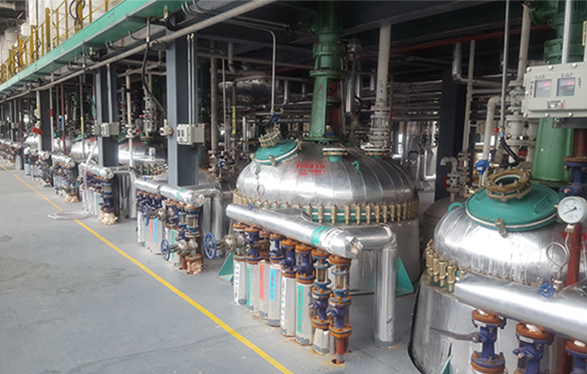
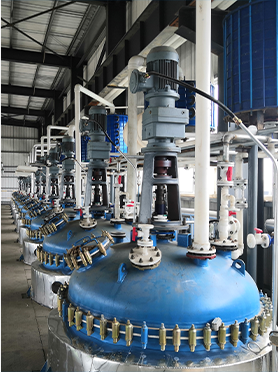
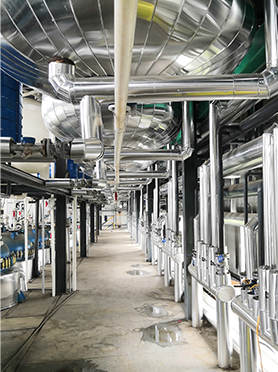
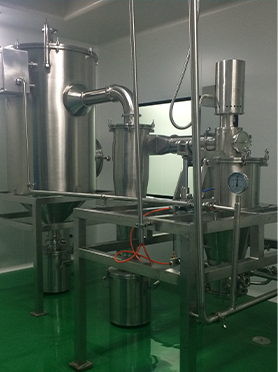
Manufacturing Facilities
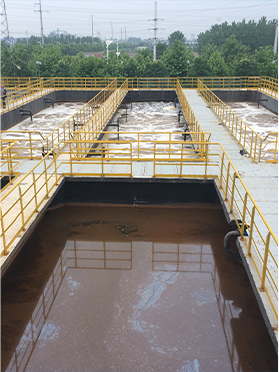
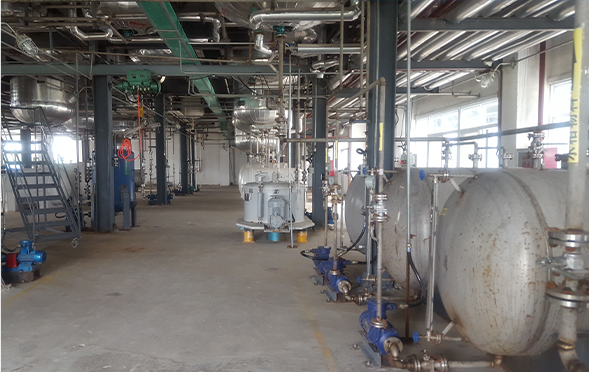
Professional Export Experience
to Global Customers
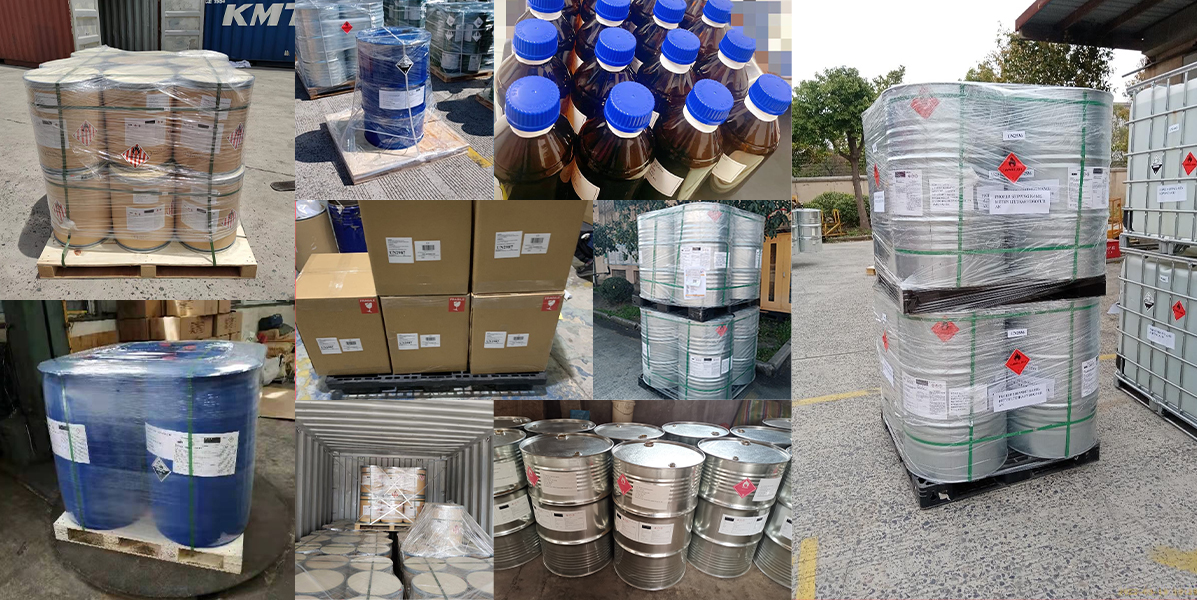
1. 20 years of R&D, manufacturing and sales experience, serving customers in 60 countries and regions around the world;
2. Own R&D laboratory, pilot platform and large-scale production workshop, which can meet the audit requirements of global customers;
3. We can satisfy customers' perfect transition from small scale lab requirements (gram level) to commercialization requirements (hundred tons level).
A: We don't have Minimum Order Quantity, exact quantity should be provided before quotation for us to calculate the exact cost.
A: We don't provide free samples due to lots of request and expensive international courier's cost, we can deduct the sample charge after commercial order placed.
A: Our payment terms: Small or sample order: T/T IN ADVANCE. Commercial order: First order should be by T/T IN ADVANCE or L/C at sight, and following orders T/T 30~90days is acceptable subject to approval of credit application.