
Custom Manufacturing, Project Outsourcing, your Trusted Partner from China
Tris(1,3-Dichloro-2-Propyl) Phosphate, widely known by its acronym TDCPP, is a significant chemical compound employed across numerous industries primarily for its exceptional flame-retardant and plasticizing properties. For procurement managers and R&D scientists seeking to understand the technical underpinnings and applications of this versatile additive, a detailed overview of its chemical nature, production, and uses is invaluable.
Chemically, TDCPP is a chlorinated organophosphate with the CAS number 13674-87-8. It typically presents as a colorless to light yellow transparent liquid, possessing a relatively high density and low volatility. Its molecular structure, containing chlorine atoms and a phosphate ester group, is key to its flame-retardant efficacy. The compound is characterized by parameters such as a specific gravity of approximately 1.510, a low acid value (≤0.1 MgKOH/G), and a moisture content typically below 0.1%. These physical and chemical properties ensure its stability and effectiveness in various formulations.
The industrial production of TDCPP predominantly involves the reaction of phosphorus oxychloride with epichlorohydrin. This synthesis is an exothermic process that requires careful control of temperature, catalysts, and reaction times to achieve high purity and yield. Manufacturers meticulously manage these parameters to produce TDCPP that meets strict quality standards. The process can be complex, demanding expertise in handling reactive chemicals and optimizing reaction kinetics to avoid unwanted byproducts or degradation, ensuring the final product is suitable for demanding applications where quality is paramount.
The applications of TDCPP are diverse and extensive. It is widely used as a flame retardant in:
Furthermore, TDCPP can function as an emulsifier and an explosion-proof agent in certain contexts. Its compatibility with most organic materials and stability in water and alkali make it a convenient additive for formulators. For companies looking to buy TDCPP, understanding these properties and production methods is key to selecting a reliable supplier. Engaging with manufacturers in China, who often have large production capacities and competitive pricing, can be a strategic procurement move.
In essence, TDCPP is a cornerstone additive for industries prioritizing safety and material performance. Its sophisticated chemical properties, coupled with controlled manufacturing processes, enable its broad application across a spectrum of polymer-based products. As industries continue to demand higher safety standards, TDCPP remains an essential component in the material scientist's toolkit.
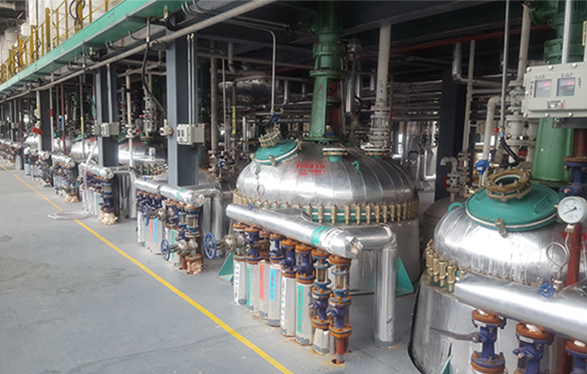
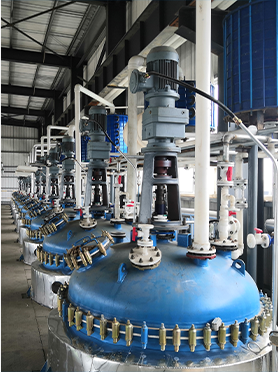
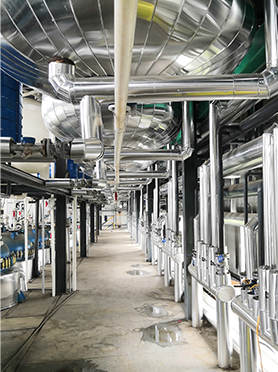
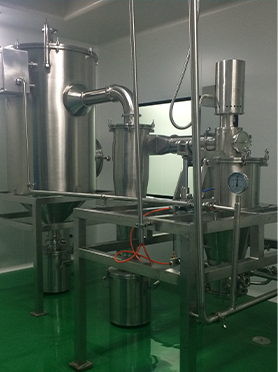
Manufacturing Facilities
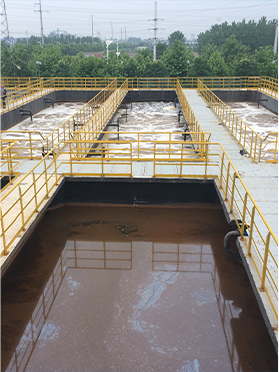
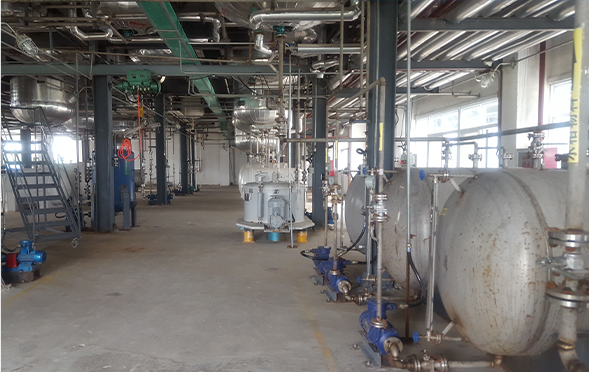
Professional Export Experience
to Global Customers
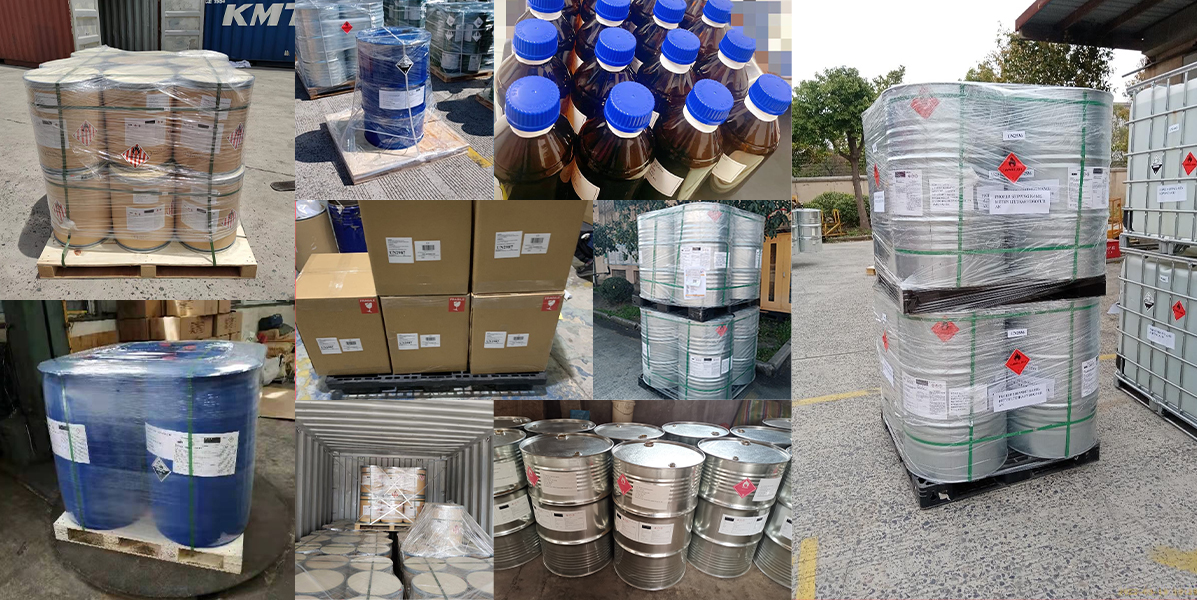
1. 20 years of R&D, manufacturing and sales experience, serving customers in 60 countries and regions around the world;
2. Own R&D laboratory, pilot platform and large-scale production workshop, which can meet the audit requirements of global customers;
3. We can satisfy customers' perfect transition from small scale lab requirements (gram level) to commercialization requirements (hundred tons level).
A: We don't have Minimum Order Quantity, exact quantity should be provided before quotation for us to calculate the exact cost.
A: We don't provide free samples due to lots of request and expensive international courier's cost, we can deduct the sample charge after commercial order placed.
A: Our payment terms: Small or sample order: T/T IN ADVANCE. Commercial order: First order should be by T/T IN ADVANCE or L/C at sight, and following orders T/T 30~90days is acceptable subject to approval of credit application.