
Custom Manufacturing, Project Outsourcing, your Trusted Partner from China
In the realm of fine chemicals and pharmaceutical intermediates, understanding the precise properties and applications of a compound is paramount for researchers and procurement professionals. Tetrabenzyl Pyrophosphate, commonly identified by its CAS number 990-91-0, is one such chemical that plays a significant role in various synthetic processes. This article delves into its key characteristics, chemical structure, and its principal applications, particularly for B2B clients looking to buy this valuable reagent.
Tetrabenzyl Pyrophosphate (CAS 990-91-0) is an organophosphorus compound characterized by its molecular formula C28H28O7P2 and a molecular weight of 538.47. Visually, it typically appears as a white powder, a physical characteristic that aids in its handling and storage. Its melting point, generally in the range of 63-66°C, is a key parameter for quality assessment. As a pharmaceutical intermediate and a potent phosphorylating agent, its consistent purity, often exceeding 99% by HPLC, is a critical factor for its effective use in complex organic syntheses.
The chemical structure of Tetrabenzyl Pyrophosphate features a pyrophosphate core esterified with four benzyl groups. This structure confers specific reactivity, making it an excellent reagent for introducing phosphate moieties into other organic molecules. This capability is fundamental to its utility in several applications:
For B2B clients, sourcing Tetrabenzyl Pyrophosphate involves identifying reliable manufacturers and suppliers that can guarantee consistent purity and competitive price. Companies specializing in fine chemicals and pharmaceutical intermediates, often located in regions like China, are well-positioned to meet these demands. When looking to purchase this compound, factors such as packaging options, lead times, and adherence to international quality standards should be carefully considered.
In summary, Tetrabenzyl Pyrophosphate (CAS 990-91-0) is a multifaceted chemical compound essential for modern organic synthesis and pharmaceutical manufacturing. Its efficacy as a phosphorylating agent and its critical role as an intermediate in the production of life-enhancing drugs solidify its importance in the chemical industry. Understanding its properties and applications empowers buyers to make informed procurement decisions and leverage its full potential in their research and production endeavors.
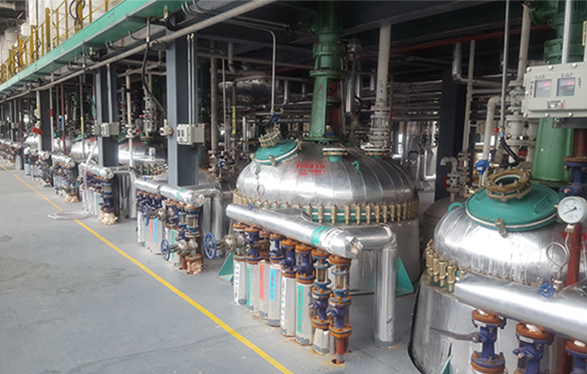
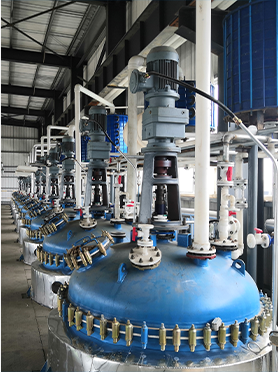
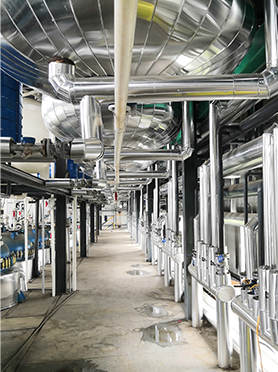
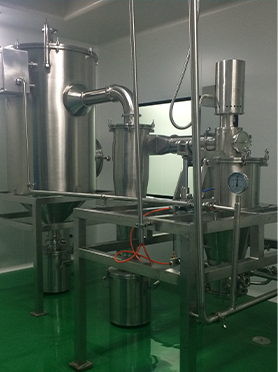
Manufacturing Facilities
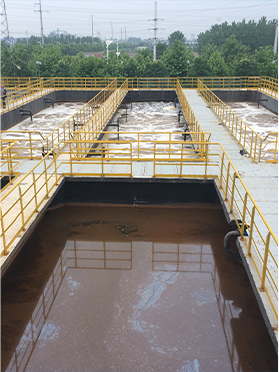
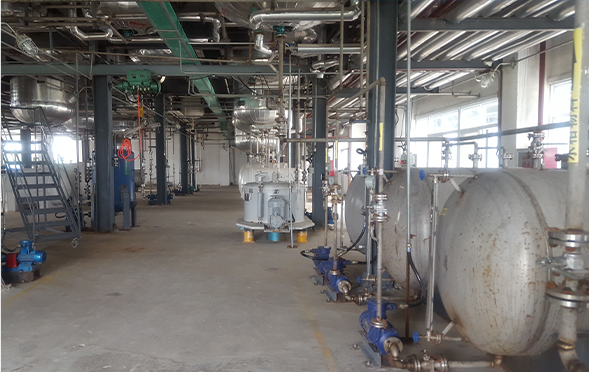
Professional Export Experience
to Global Customers
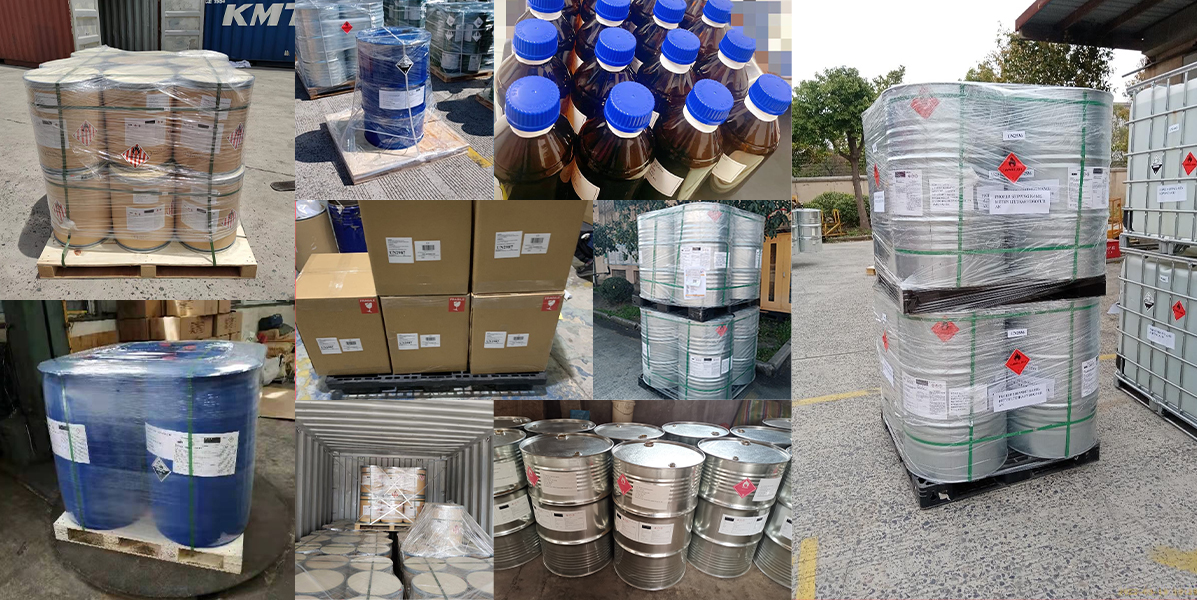
1. 20 years of R&D, manufacturing and sales experience, serving customers in 60 countries and regions around the world;
2. Own R&D laboratory, pilot platform and large-scale production workshop, which can meet the audit requirements of global customers;
3. We can satisfy customers' perfect transition from small scale lab requirements (gram level) to commercialization requirements (hundred tons level).
A: We don't have Minimum Order Quantity, exact quantity should be provided before quotation for us to calculate the exact cost.
A: We don't provide free samples due to lots of request and expensive international courier's cost, we can deduct the sample charge after commercial order placed.
A: Our payment terms: Small or sample order: T/T IN ADVANCE. Commercial order: First order should be by T/T IN ADVANCE or L/C at sight, and following orders T/T 30~90days is acceptable subject to approval of credit application.