
Custom Manufacturing, Project Outsourcing, your Trusted Partner from China
The art and science of textile printing are as old as civilization itself, yet the underlying chemistry continues to evolve. At the heart of any successful print lies the printing paste – a carefully formulated mixture that carries the colorant to the fabric. Within this paste, the thickener is a vital component, dictating its viscosity, flow, and application characteristics. For textile professionals, understanding the function and selection of printing paste thickeners is key to achieving vibrant, sharp, and durable prints. This article explores the critical role of thickeners in textile printing pastes.
What is a Textile Printing Paste?
A textile printing paste is a viscous liquid or semi-liquid formulation used to apply colorants (dyes or pigments) to textiles in a patterned manner. Its composition typically includes:
The correct formulation ensures that the colorant is delivered precisely to the fabric surface, adheres effectively, and becomes permanent after fixation (e.g., steaming or curing).
The Indispensable Role of Thickeners
The primary function of a thickener is to impart the desired viscosity to the printing paste. This viscosity is crucial for several reasons:
Types of Thickeners Used in Textile Printing
Thickeners can be broadly categorized based on their origin and chemical nature:
When selecting a thickener, it's vital to consider the type of colorant (dye vs. pigment), the fabric type, the printing method, and desired print quality. For businesses seeking advanced solutions, modern formulations, including APEO/NPEO-free options, are available that deliver excellent performance and meet environmental standards. Partnering with a knowledgeable manufacturer or supplier can help you navigate these choices and find the most suitable textile auxiliary agent for your production needs.
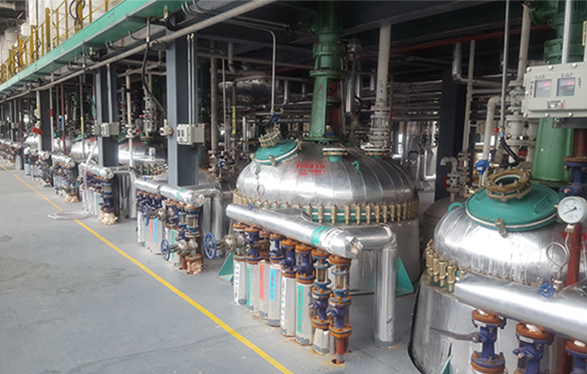
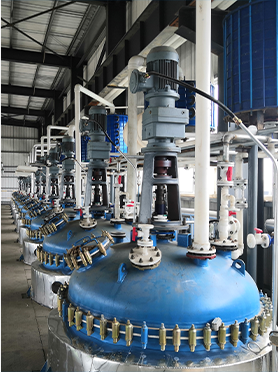
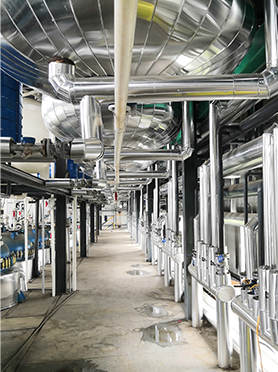
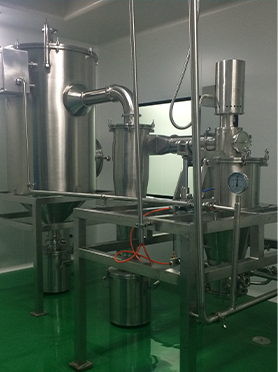
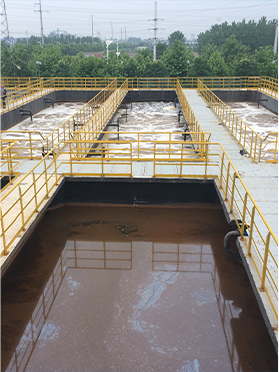
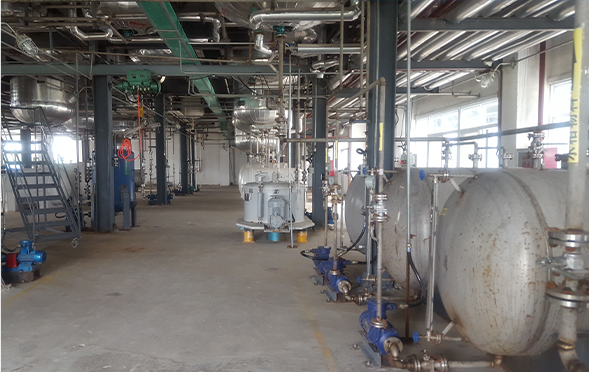
Manufacturing Facilities
Professional Export Experience
to Global Customers
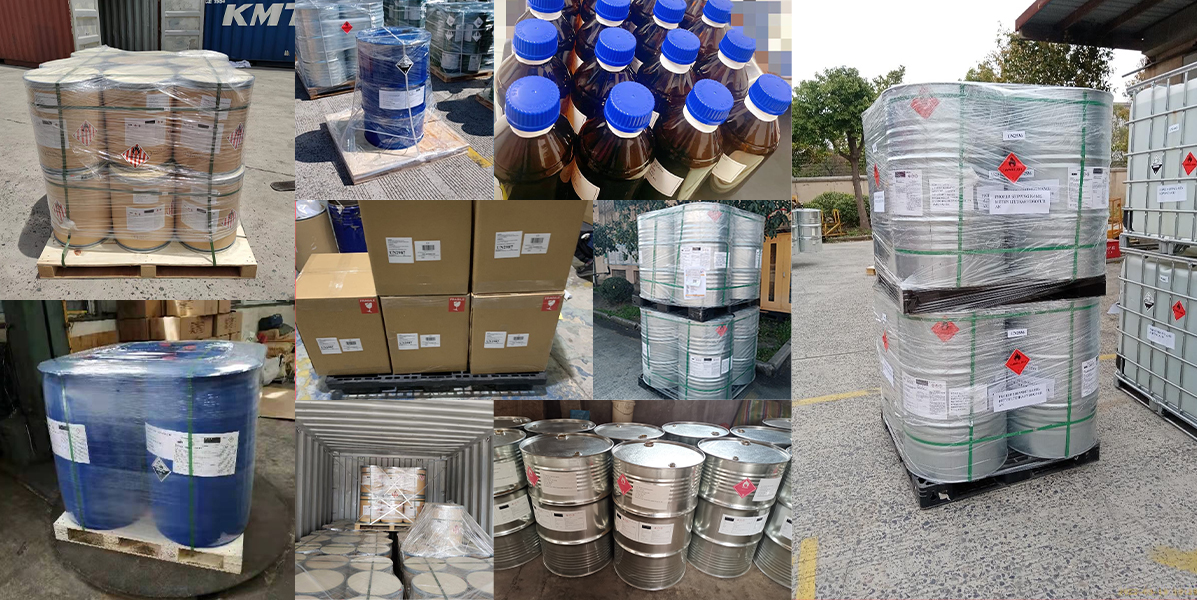
1. 20 years of R&D, manufacturing and sales experience, serving customers in 60 countries and regions around the world;
2. Own R&D laboratory, pilot platform and large-scale production workshop, which can meet the audit requirements of global customers;
3. We can satisfy customers' perfect transition from small scale lab requirements (gram level) to commercialization requirements (hundred tons level).
A: We don't have Minimum Order Quantity, exact quantity should be provided before quotation for us to calculate the exact cost.
A: We don't provide free samples due to lots of request and expensive international courier's cost, we can deduct the sample charge after commercial order placed.
A: Our payment terms: Small or sample order: T/T IN ADVANCE. Commercial order: First order should be by T/T IN ADVANCE or L/C at sight, and following orders T/T 30~90days is acceptable subject to approval of credit application.